囲われた庭からの脱出:分散型ソーシャルメディアという荒々しい世界

BitCap
囲われた庭からの脱出:分散型ソーシャルメディアという荒々しい世界
1. デジタル大脱獄:そもそもDSNとは何か?
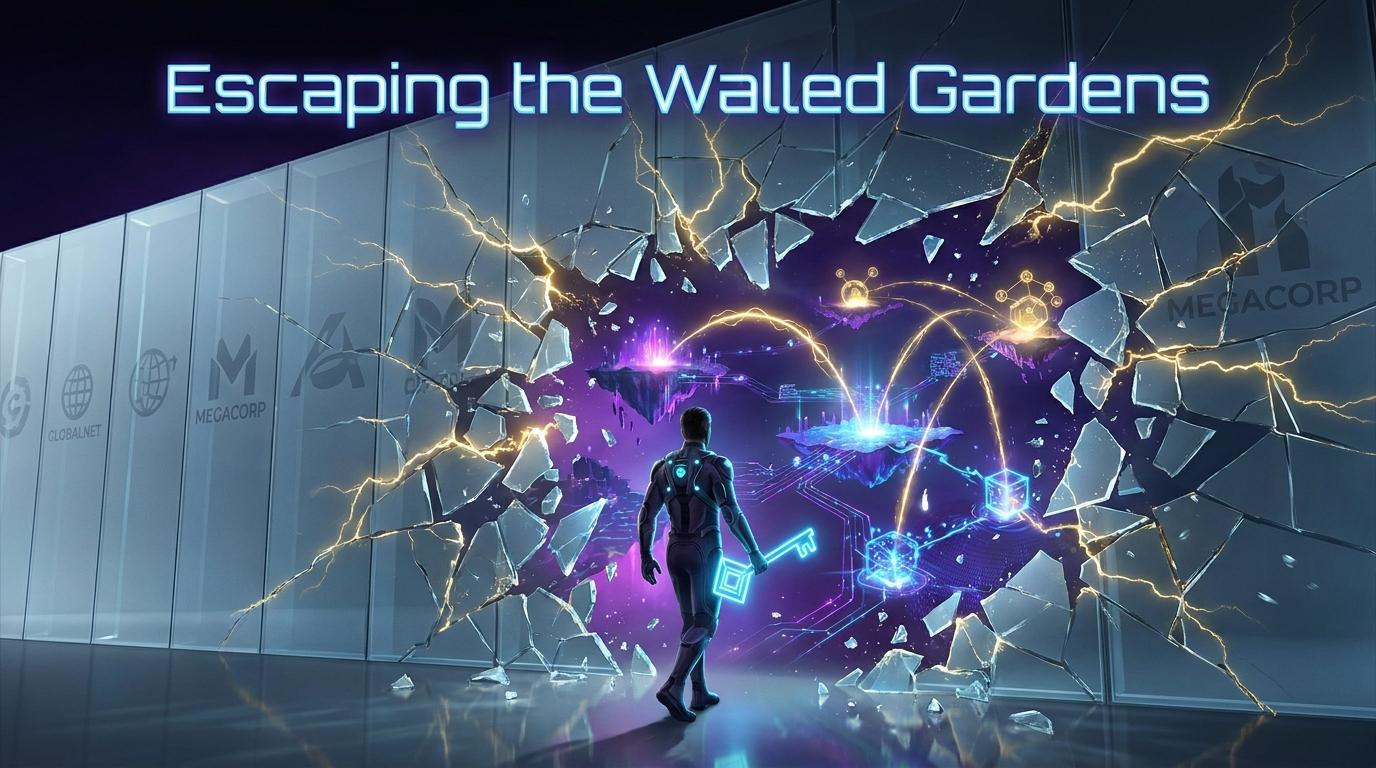
この20年近く、私たちはビッグテックの「ウォールド・ガーデン(囲い込まれた庭)」に、いつ追い出されてもおかしくない賃借人として暮らしてきた。何年もかけてプロフィールを飾り、オーディエンスを育ててきたのに、X、Facebook、Instagramといった大家は気まぐれで鍵を替えたり、建物を bulldoze(取り壊)したりできる。これが集中型ウェブの根本的な危機である。あなたは自分のデジタル・アイデンティティを所有しておらず、データと引き換えにそれを借りているにすぎない。
分散型ソーシャルネットワーク(DSN)は、構造的な代替案を提示する。大きく分けて二つの思想的潮流がある。第一に、Fediverse(フェディバース)である。これは独立したサーバー群が愛らしいほど相互接続された近隣社会のようなもので、W3Cが2018年に標準化したActivityPubプロトコルを使い、MastodonやPixelfedなどのサーバー同士がメールプロバイダーのように会話する。ある「インスタンス」のユーザーが別のインスタンスのユーザーをフォローでき、単一のCEOが電源を抜けないグローバルな網が生まれる。
次に、より急進的で軽量なプロトコルであるNostr(Notes and Other Stuff Transmitted by Relays)がある。Nostrはサーバーを廃し、「リレー」を採用する。あなたは暗号鍵でメッセージに署名して放送する。それは手入れされた庭というより、野良のラジオ局のようなものだ。少なくとも一つのリレーがあなたの信号を中継してくれる限り、あなたの声は電波に乗り続ける。
2. 「X-odus」小史
分散型ウェブの夢は新しいものではないが、長らく最も理想主義的なエンジニアたちの領分だった。その種は早くも2008年のIdenti.caやGNU Socialによって蒔かれた。これらのプロジェクトは、「フェデレーション」という言葉が文化的語彙になる前に、連合型マイクロブログを築こうとした。
しかし、どんな運動にも触媒が必要だ。DSNの世界では、その触媒が2022年後半に現れた。Twitterの混沌とした買収劇は「大覚醒」となり、プライバシー意識の高いユーザーの細流を、本格的な「X-odus(Xからの大流出)」へと変えた。数週間のうちに、Mastodonのアクティブユーザー数は50万人から200万人超へ急増した。
流れが「ニッチ」から「注目」へ移ったのは、Twitter共同創業者のジャック・ドーシーが参戦したときだった。当時約50万ドル相当だった14ビットコインを開発者fiatjafに贈り、Nostrプロトコルに資金提供したことで、ドーシーは、ソーシャルメディアの未来はより良いプラットフォームではなく、より良いルールの集合、つまり製品ではなくプロトコルかもしれないと示唆した。
3. なぜ“イケてる人たち”が移っているのか(利点)
これらのネットワークの魅力は、権力の根本的な移行にある。旧世界では、あなたのアカウントは企業データベース内の一項目にすぎない。Nostrでは、あなたのアイデンティティは暗号鍵ペアである。あなたは文字どおり、数学的な意味で「自分の顔を所有する」。特定のリレーやサーバーがあなたの口調を気に入らないと決めても、フォロワーを失うことはない。鍵を持って別の場所で放送すればよい。
これにより、単なるレトリックではなく構造的な「検閲耐性」が生まれる。中央の「キルスイッチ」が存在しないため、「言論の自由」をめぐる議論はシリコンバレーの取締役会室からユーザーの手へ移る。さらにDSNは、ビッグテックの不透明でエンゲージメント欲しさのアルゴリズムを、コミュニティ主導のモデレーションに置き換える。Fediverseでは小さな「タウンスクエア」がそれぞれの雰囲気とルールを定め、自分自身の価値観に本当に合う居場所を見つけられる多元的なデジタル生活を可能にする。
4. 全部が明るい話ではない(ドラマ)
分散化することは、ある程度の混沌を受け入れることだ。最も目立つ問題は「モデレーションのパラドックス」である。誰も「責任者」でなければ、どうやって「悪者」に対処するのか。違法または有害なコンテンツを一掃する中央権限がなければ、モデレーションはデジタル版モグラ叩きになり、責任はしばしばボランティアのインスタンス管理者の肩にのしかかる。
次に「純粋主義者」と「現実主義者」の緊張がある。Metaが新プラットフォームThreadsを最終的にFediverseと統合すると発表したとき、大混乱が起きた。多くのMastodon管理者が、企業巨人がデータを収穫し、最終的にネットワークの独立精神を消し去ることを恐れ、Threadsを「先回りしてブロック」した(「Fediblock」)。
最後に「メディア肥大化」という頭痛の種がある。1本の猫動画を50の異なる独立サーバーに保存するのは、率直に言って工学的悪夢だ。膨大なストレージとエネルギーを使う。これは「分散化税」であり、Blossomなどのプロトコルが、より効率的なオフチェーン保存ソリューションによって最適化しようと必死になっている。
5. お金はどこに?あなたのフィードの未来
広告もデータ販売もなければ、どうやって電気を点けたままにするのか。答えは「Zap(ザップ)」にあるかもしれない。NostrはBitcoin Lightning Networkを使った「Value-4-Value」モデルを開拓した。空虚な「いいね」の代わりに、クリエイターへ「Zap」を送れる。それは1セントの何分の一かだ。実際に機能するデジタルのチップジャーであり、中間業者に30%を取られることなく、持続可能なクリエイターの中間層が生まれることを可能にする。
相互運用性も視野に入っている。Bridgy Fedのようなプロジェクトは「プロトコルの島々」の間に橋を架け、Bluesky(AT Protocolを使用)のユーザーがMastodonのユーザーと話せるようにしようとしている。これは趣味人の夢にとどまらない。経済的見通しは驚異的だ。アナリストは、分散型ソーシャルメディア市場が2035年までに1416億ドルに達する可能性があると予測している。
6. 最後に:柵を飛び越えるべきか?
この「荒々しい世界」は、まだ誰にとっても向いているわけではない。学習曲線はかなり急だ。自分で秘密鍵を管理するのは、「パスワードを忘れた」をクリックするよりずっと重い責任である。Nostrで鍵を失えば、あなたのデジタル・アイデンティティは永久に消える。
しかし、商品にされることに疲れた人々にとって、そのトレードオフはますます魅力的になっている。あなたがプライバシー狂、デジタル主権者、あるいは画一的な企業アルゴリズムにうんざりしただけの人であっても、柵はもう取り払われている。分散型ウェブは門戸を開いている。問題は、あなたは自分自身の大家になる準備ができているか、だ。
Escaping the Walled Gardens: The Wild World of Decentralized Social Media
1. The Great Digital Prison Break: What’s a DSN Anyway?
For the better part of two decades, we have lived as tenants-at-will in the "walled gardens" of Big Tech. We spend years decorating our profiles and cultivating our audiences, only to realize that the landlord—be it X, Facebook, or Instagram—can change the locks or bulldoze the building at a whim. This is the fundamental crisis of the centralized web: you do not own your digital identity; you merely lease it in exchange for your data.
Decentralized Social Networks (DSNs) offer a structural alternative. Broadly, they fall into two schools of thought. First, there is the Fediverse, a charmingly interconnected neighborhood of independent servers. Using the ActivityPub protocol (standardized by the W3C in 2018), servers like Mastodon or Pixelfed talk to each other the way email providers do. A user on one "instance" can follow a user on another, creating a global web that no single CEO can unplug.
Then there is Nostr (Notes and Other Stuff Transmitted by Relays), a more radical, lightweight protocol. Nostr does away with servers entirely in favor of "relays." You sign a message with a cryptographic key and broadcast it. It is less like a curated garden and more like a wild radio station; as long as one relay is willing to repeat your signal, your voice remains on the air.
2. A Brief History of the "X-odus"
The dream of a decentralized web isn't new, though it was long the province of the most idealistic engineers. The seeds were sown as early as 2008 with Identi.ca and GNU Social, projects that sought to build "federated" microblogging before the term was even in the cultural lexicon.
However, every movement needs a catalyst. For the DSN world, that catalyst arrived in late 2022. The chaotic takeover of Twitter served as a "Great Awakening," transforming a slow trickle of privacy-conscious users into a full-blown "X-odus." Within weeks, Mastodon’s active user base surged from 500,000 to over 2 million.
The momentum shifted from "niche" to "notable" when Twitter co-founder Jack Dorsey entered the fray. By gifting 14 Bitcoin (then roughly half a million dollars) to the developer fiatjaf to fund the Nostr protocol, Dorsey signaled that the future of social media might not be a better platform, but a better set of rules—a protocol rather than a product.
3. Why the Cool Kids are Moving (The Perks)
The allure of these networks lies in a fundamental shift in power. In the old world, your account is an entry in a corporate database. On Nostr, your identity is a cryptographic key pair. You "own your face" in a literal, mathematical sense. If a specific relay or server decides they don't like your tone, you don't lose your followers; you simply take your keys and broadcast elsewhere.
This creates a form of "censorship resistance" that is structural rather than just rhetorical. Because there is no central "kill switch," the "free speech" debate moves from the boardrooms of Silicon Valley to the hands of the users. Furthermore, DSNs replace the opaque, engagement-hungry algorithms of Big Tech with community-led moderation. In the Fediverse, small "town squares" set their own vibes and rules, allowing for a pluralistic digital existence where you can find a home that actually matches your values.
4. It’s Not All Sunshine and Rainbows (The Drama)
To decentralize is to embrace a certain degree of chaos. The most glaring issue is the Moderation Paradox. If no one is "in charge," how do we handle the "bad guys"? Without a central authority to purge illegal or harmful content, moderation becomes a digital game of whack-a-mole, and the responsibility often falls on the shoulders of volunteer instance admins.
Then there is the tension between the "purists" and the "pragmatists." When Meta announced that its new platform, Threads, would eventually integrate with the Fediverse, it triggered a meltdown. Many Mastodon administrators "pre-emptively blocked" Threads (the "Fediblock"), fearing that a corporate giant would harvest their data and eventually extinguish the independent spirit of the network.
Finally, there is the "Media Bloat" headache. Storing a single cat video on 50 different independent servers is, frankly, an engineering nightmare. It uses massive amounts of storage and energy—a "decentralization tax" that protocols like Blossom are now desperately trying to optimize through more efficient off-chain storage solutions.
5. Show Me the Money: The Future of Your Feed
If there are no ads and no data-selling, how does the lights stay on? The answer may lie in "Zaps." Nostr has pioneered a "Value-4-Value" model using the Bitcoin Lightning Network. Instead of a hollow "Like," you can send a creator a "Zap"—a tiny fraction of a cent. It is a digital tip jar that actually works, allowing a sustainable middle class of creators to emerge without a middleman taking a 30% cut.
Interoperability is also on the horizon. Projects like Bridgy Fed are working to build bridges between "protocol islands," hoping to let users on Bluesky (which uses the AT Protocol) talk to those on Mastodon. This isn't just a hobbyist’s dream; the economic outlook is staggering. Analysts project the decentralized social media market could reach $141.6 billion by 2035.
6. Final Thoughts: Should You Jump the Fence?
The "Wild World" is not for everyone—yet. There is a significant learning curve; managing your own private keys is a weightier responsibility than simply clicking "Forgot Password." If you lose your keys on Nostr, your digital identity is gone forever.
However, for those tired of being the product, the trade-off is becoming increasingly attractive. Whether you are a privacy nerd, a digital sovereign, or just someone exhausted by the "one-size-fits-all" corporate algorithm, the fences are down. The decentralized web is open for business. The question is: are you ready to be your own landlord?