Knowing more is a form of care
A new month for learning and self-advocacy

Awareness Loop

Hello warriors, and those cheering them on.
March is a month where we pause and focus on knowledge that actually helps people notice risks earlier, understand real symptoms, and act with information that matters.
We want to walk you through what the latest data actually shows, what symptoms we shouldn’t ignore, and how trends are evolving.
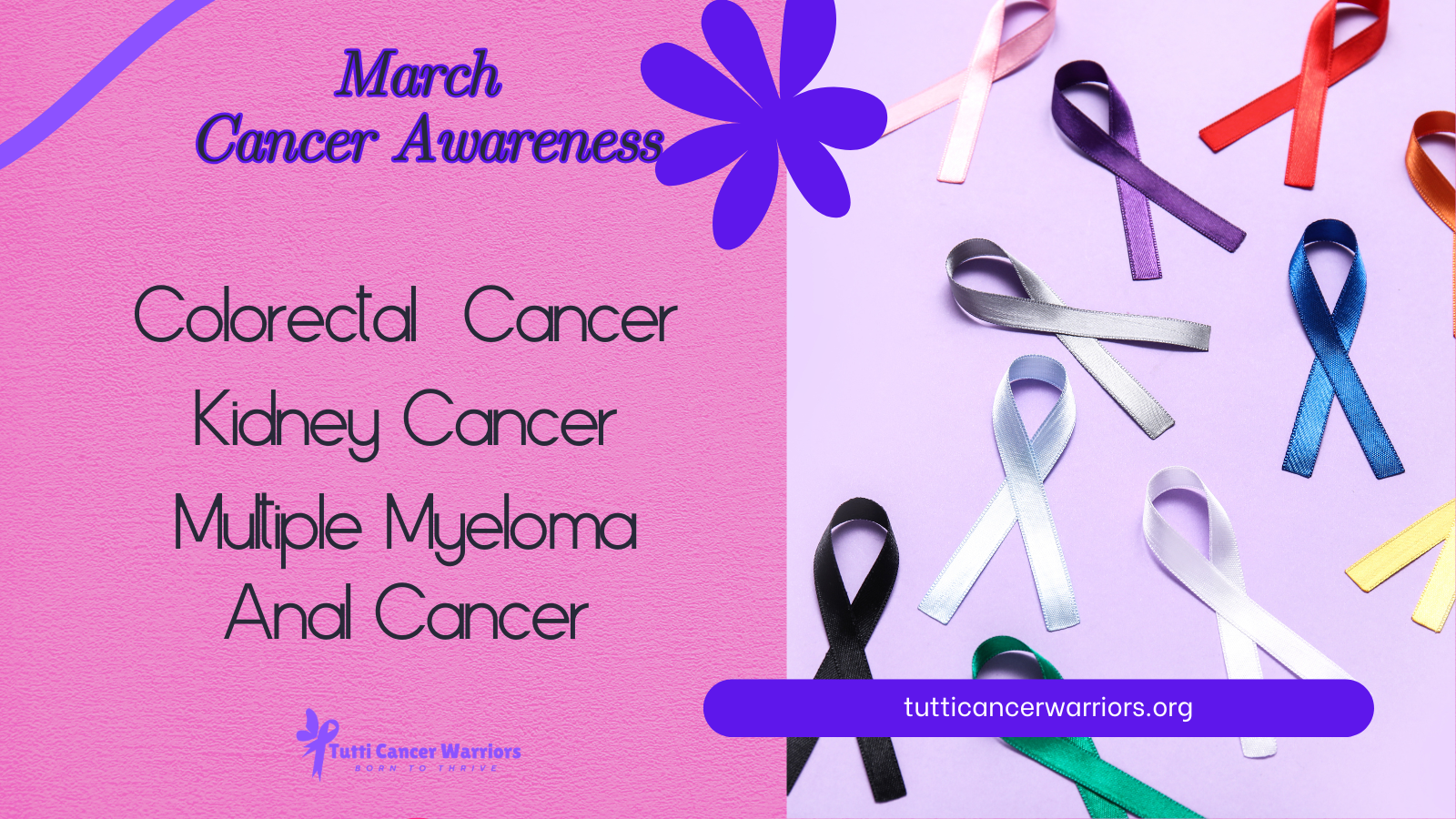
1) Colorectal Cancer, Younger Adults Are Affected Too
For decades, colorectal cancer was talked about as an “older person’s disease.” That’s changed.
What the latest science shows (2025–2026):
Large international studies show an increase in colorectal cancer diagnoses in adults under 50, particularly ages 30–49.
In some countries, rates for younger people have gone up significantly over the last 10–20 years (not just small fluctuations).
This isn’t just better detection, it’s a real rise in incidence.
Risk factors backed by data:
Family history of colorectal cancer
Certain genetic syndromes (e.g., Lynch syndrome)
Longstanding inflammatory bowel disease
Obesity + metabolic dysfunction
Smoking and high alcohol intake
Symptoms people often report before diagnosis:
Persistent changes in bowel habits (weeks, not days)
Unexplained rectal bleeding
Chronic abdominal pain
Unintended weight loss
Fatigue or anemia

Symptoms don’t have an “age filter.” We share this so more people pay attention early, not to cause anxiety.
Sources we used: Journal of the National Cancer Institute (2025 trends in young-onset colorectal cancer), American Cancer Society updates 2025–2026, Global cancer incidence data from IARC.

2) Kidney Cancer, Detected Often By Routine Exams
Kidney cancer isn’t the most common cancer, but here’s what’s important:
What the data tells us (2025):
Kidney cancer represents about 2–3% of adult cancers worldwide.
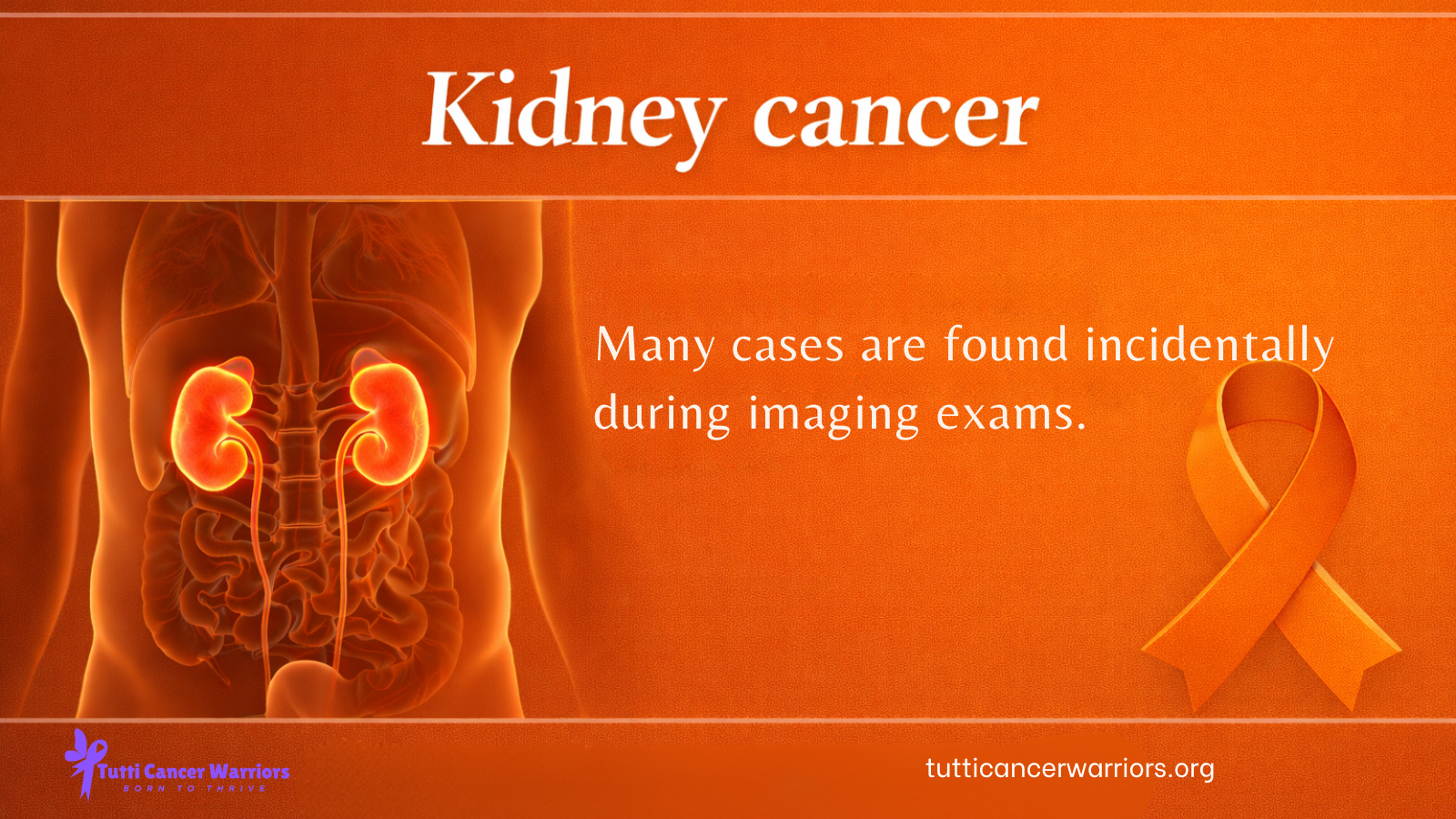
In many cases, people are diagnosed incidentally, meaning the cancer is spotted during imaging for another reason (e.g., an ultrasound or CT for abdominal pain).
Risk factors supported by evidence:
Smoking
High blood pressure
Obesity
Chronic kidney disease
Certain inherited conditions
Long-term dialysis
Why it matters:
Routine checkups and imaging for other reasons are often how small kidney tumors are found, long before symptoms show. Symptom onset often means the disease is more advanced.
Symptoms (often tardy):
Persistent pain in the side or lower back
Blood in the urine
A palpable mass
Unexplained weight loss
Fever lasting weeks
Sources used for this info: National Cancer Institute SEER data (2025 update), European Urology Journal (2025 kidney cancer risk profiles)
3) Multiple Myeloma, Blood Cancer With Often Subtle Early Signs
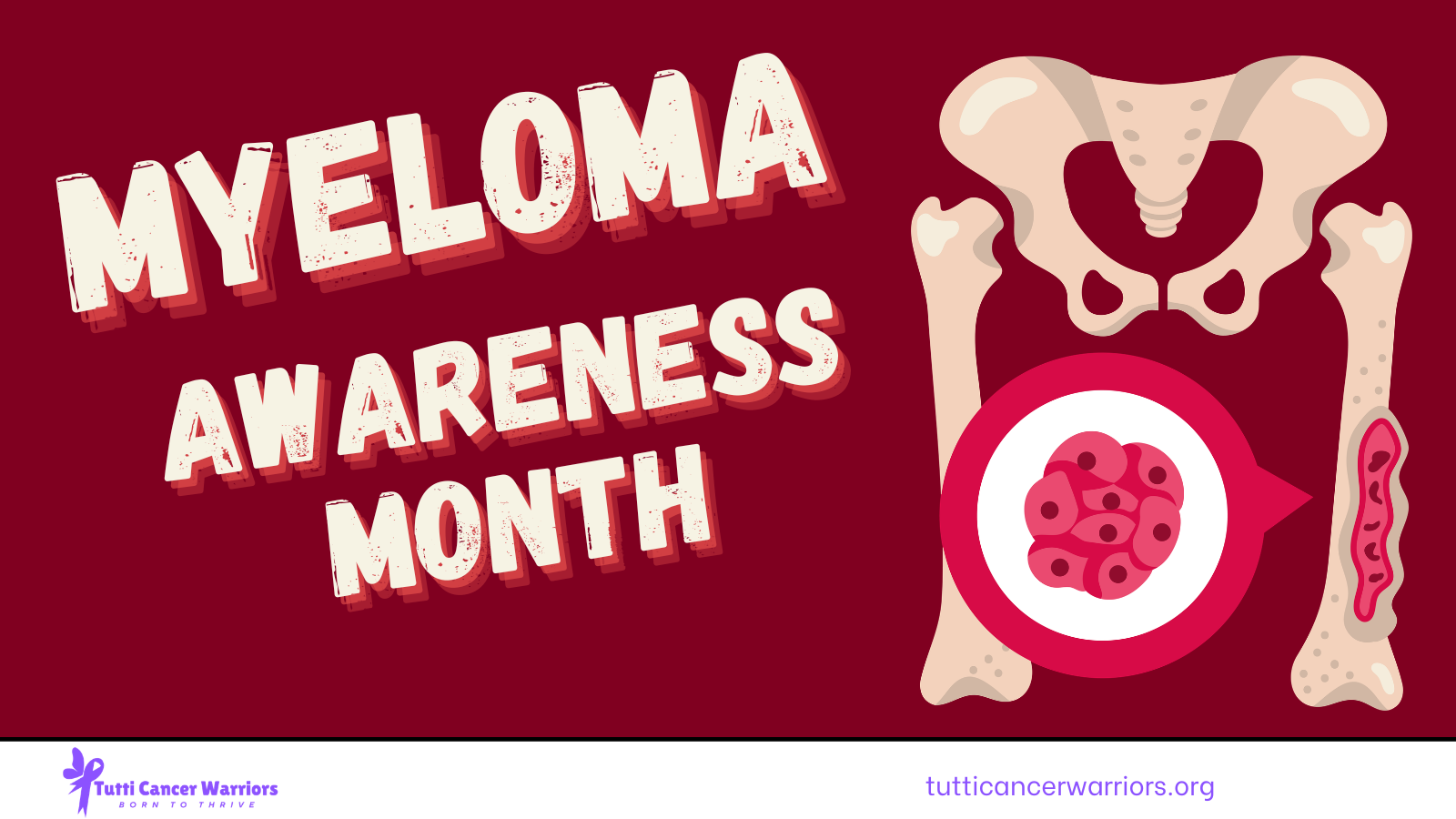
Multiple myeloma is a cancer of plasma cells in the bone marrow.
Data snapshot (2026):
It accounts for roughly 1–2% of all cancers.
Median age at diagnosis remains in the mid-60s, but younger diagnoses do occur.
Early signals many people miss:
Bone pain (especially in the back or ribs)
Unexplained fatigue and anemia
Frequent infections
Elevated calcium
Kidney function changes
This cancer isn’t common, but when present, early diagnosis expands treatment options and quality of life.
Sourced used: Blood (American Society of Hematology updates 2025), Myeloma Crowd data summaries
4) Anal Cancer, Linked Strongly With HPV
Anal cancer is still rarer than breast or colorectal, but its risk factors and trends are well documented:
Strongest documented risk factor: Persistent HPV infection
This is not opinion, it is the strongest and most consistent epidemiological link.
Other contributing factors:
Smoking
Immunosuppression
History of other HPV-associated cancers
Chronic inflammation
Symptoms worth knowing (again, no age filter):
Unusual bleeding
Anal pain or pressure
Itching that doesn’t resolve
Lumps or changes that persist
HPV vaccination significantly reduces risk of many HPV-related cancers, including anal cancer, and it works for all genders.
Sources: Lancet Oncology HPV impact studies (2025), CDC/WHO global HPV and cancer profiles

Cancer awareness matters because it leads to earlier detection.
Earlier detection often means more options, less aggressive treatment, and better outcomes.
It also matters because awareness reduces stigma. When people understand symptoms, risks, and realities, cancer stops being something whispered about or ignored. It becomes something people can talk about, question, and act on.
Awareness also supports self-advocacy. Many warriors are still diagnosed late because symptoms were minimised, dismissed, or misunderstood. Knowledge helps people speak up sooner and be taken seriously.
At Tutti Cancer Warriors, awareness is only one part of the work. We also support warriors through real, practical programs:
• Real financial help through grants, for personal needs and meaningful moments
• Community connection, so no one feels alone in this journey

If you or a warrior you know has a specific dream or need, please submit it here.
If this information helped you, we invite you to share it. You never know who might recognise a symptom, ask a question earlier, or feel less alone because of it.
Wishing you a month filled with moments of joy, care, and good health.
TCW team