Uterine Cancer
The One We Don’t Talk About Enough

Awareness Loop
A lot of people don’t even know where the uterus is until something goes wrong. And even then, uterine cancer doesn’t get the attention it deserves. It’s not trending. It’s not often talked about at checkups. But in 2025, it should be. Because uterine cancer is the most common gynecologic cancer, and it’s on the rise.
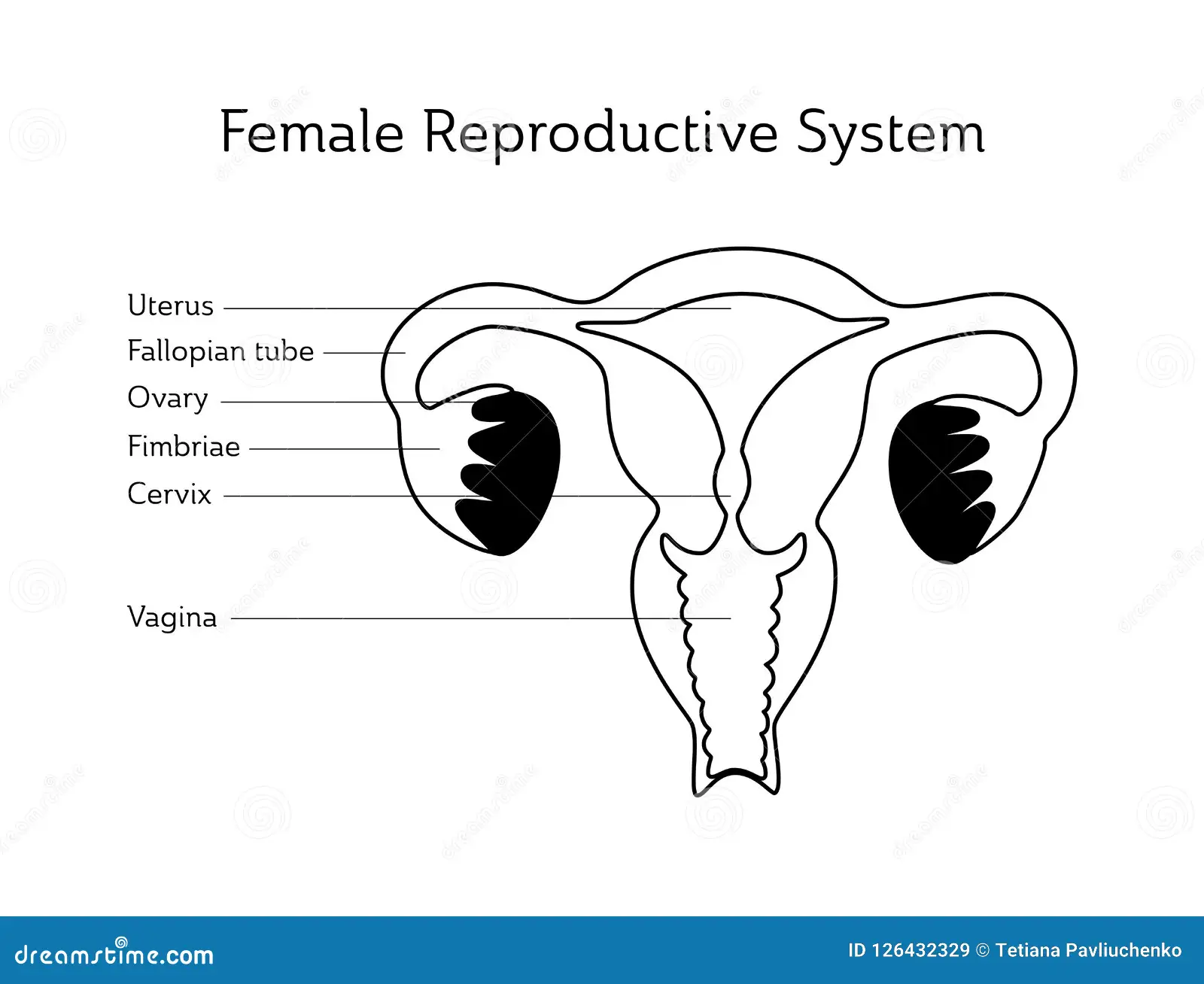
Wait… is this true?
You’d be surprised how many people don’t know about uterus.
In the UK, 59% of women couldn’t identify the uterus on a diagram.
In the U.S., over 40% of women didn’t know what the uterus does.
Globally, studies show men consistently score lower on reproductive anatomy.
One survey even found that 1 in 4 adults didn’t know the difference between the vulva and vagina—so you can imagine how confusing the uterus must seem.
And it’s not just a UK thing. It’s a worldwide education gap — shaped by silence, shame, and the fact that most people never got a proper anatomy lesson in school.

But why it matters?
If we don’t know what a uterus is, how can we recognise when something’s wrong with it?
How do we talk about symptoms like pelvic pain or irregular bleeding?
How do partners, friends, and family members show up and support someone facing uterine cancer… if they don’t even know what that organ is?

The uterus is where life grows. It’s also where cancer can grow silently.
What Is Uterine Cancer, Really?
Let’s break it down like no one ever did in school.
The uterus is a pear-shaped organ in the pelvis. It’s made of three layers:
Endometrium – the inner lining that builds up and sheds during your menstrual cycle
Myometrium – the thick muscle layer that contracts during labor
Perimetrium – the thin outer covering
Now, cancer can start in different parts of this organ — and where it starts changes everything.
Type 1: Endometrial Cancer
Starts in the endometrium (the lining)
Most common type of uterine cancer (about 90%)
Usually grows slowly and shows early signs — like abnormal bleeding
Often linked to estrogen imbalance, obesity, PCOS, or hormone therapy
Early-stage survival rates are high — if caught early
Type 2: Uterine Sarcoma
Starts in the myometrium (muscle layer) or connective tissue
Much rarer, but more aggressive
Harder to detect — may not cause bleeding at all
Grows faster and spreads sooner
Less responsive to hormone therapy or standard treatment
This one is harsher. It grows deeper in the muscle, often unnoticed until it’s already advanced.
Why You Can’t Just “Go Get Screened”
There’s no Pap test for it (Pap smears check cervical cells, not the uterus)
There’s no ultrasound or blood test that’s routinely given unless you already have symptoms
It’s underfunded and under-discussed compared to other cancers
Many doctors still don’t recognize the signs early in younger women or Black women
So uterine cancer doesn’t just hide. It gets ignored.
But I’m too young for that…
Actually and sadly not anymore. More and more younger women are being diagnosed, some in their 30s. Why? It’s not fully clear. But obesity, PCOS, hormonal imbalances, and diabetes play a big role.
And let’s not ignore how environmental and social disparities are widening the gap. Black women, for example, are twice as likely to die from uterine cancer than white women.
Not because of biology. Because of delayed diagnosis, lack of access, and being dismissed too often when they speak up.
The symptoms are easy to ignore
Bleeding that’s not part of your cycle
Spotting after menopause
Pelvic pain or pressure
Unusual discharge
Bloating that won’t go away

It’s not “just stress.” It’s not “just your hormones.” If your body is telling you something—listen. And if the doctor doesn’t listen, get a new one.
What’s changing in 2025?
Actually… a lot. Researchers and patient advocates are finally speaking louder.
Here’s some hope:
AI menstrual tracking tools are in pilot testing to detect patterns and alert users when bleeding becomes suspicious.
Immunotherapy is giving new chances to women with late-stage endometrial cancer, especially those with mismatch repair gene issues.
Genetic testing is becoming standard. (Every woman diagnosed with uterine cancer should be tested for Lynch syndrome—it could save their relatives’ lives too.)
Minimally invasive surgery, like robotic-assisted hysterectomy, is shortening hospital stays and improving recovery time.
But the problem isn’t just medical
It’s social. It’s systemic. Too many people don’t even know this cancer exists.
Too many are too afraid or too busy taking care of everyone else to get checked.
And too many still carry shame around talking about “women’s health.”
Let’s end that. Right now.
What we can all do:
Share this newsletter. Start a conversation.
Remind someone: bleeding after menopause is never normal.
Push for better funding and research.
Show up for someone going through treatment.
And keep saying their names. Because uterine cancer takes beautiful lives too.
Read more about uterus cancer on our website

Every warrior deserves to be seen. Heard. Supported. We’ll keep raising awareness and fighting for earlier detection, better treatments, and more equity. Not just in October. Not just when it’s a trending hashtag. Every. Single. Week.
Thanks for being here. Keep learning. Keep sharing. Keep dreaming.
TCW Crossword Puzzle
Ready for a little brain boost?
This week’s puzzle is based on our Cancer Immunotherapy edition — so if you haven’t read it yet, you might want to catch up first. The answers are hidden in plain sight.
👉Read Cancer Immunotherapy edition here
New puzzle, same mission: awareness through fun.
Thank you, Daniel, for bringing a little brain workout to our hearts-and-mission-filled newsletter.
Solve it with your friends/ family, share it on socials and tag us.


Are You a Cancer Warrior with a Dream?
We’d love to hear from you. If you’re in treatment, in remission, or living post-cancer and have a dream that could support your healing, growth, or joy — submit your dream through our website and let’s make it possible, together.
Are You a Cancer Survivor?
Join our Peer Support Program — where survivors support warriors through shared strength and understanding.
We’ll connect you with someone newly diagnosed with the same type of cancer, so you can offer insight, hope, and real-life support from someone who’s walked the path.
Support Our Mission
Help Us Make Dreams Come True for Cancer Warriors. Your donation goes beyond charity — it brings comfort, hope, and healing.
Sources & Further Reading
Centers for Disease Control and Prevention (CDC)
Uterine Cancer Statistics and Awareness
https://www.cdc.gov/cancer/uterine/National Cancer Institute (NCI)
Endometrial (Uterine) Cancer Treatment and Clinical Trials
https://www.cancer.gov/types/uterineEve Appeal Survey (UK)
Knowledge gaps in reproductive anatomy and gynecologic cancers
https://eveappeal.org.ukThe Guardian – Most Britons Can’t Name Vulva Parts
https://www.theguardian.com/lifeandstyle/2021/may/30/most-britons-cannot-name-parts-vulva-surveyVICE – Nearly Half of British Women Can’t Locate Vagina or Cervix
https://www.vice.com/en/article/almost-half-of-british-women-cant-correctly-locate-the-vagina-or-cervix/Journal of Women’s Health (Mary Ann Liebert, Inc.)
Studies on racial disparities in uterine cancer mortality
https://www.liebertpub.com/jwh

Disclaimer: The information provided here is for awareness purposes only and is not intended as medical advice. Please consult with a healthcare professional for medical concerns.


