
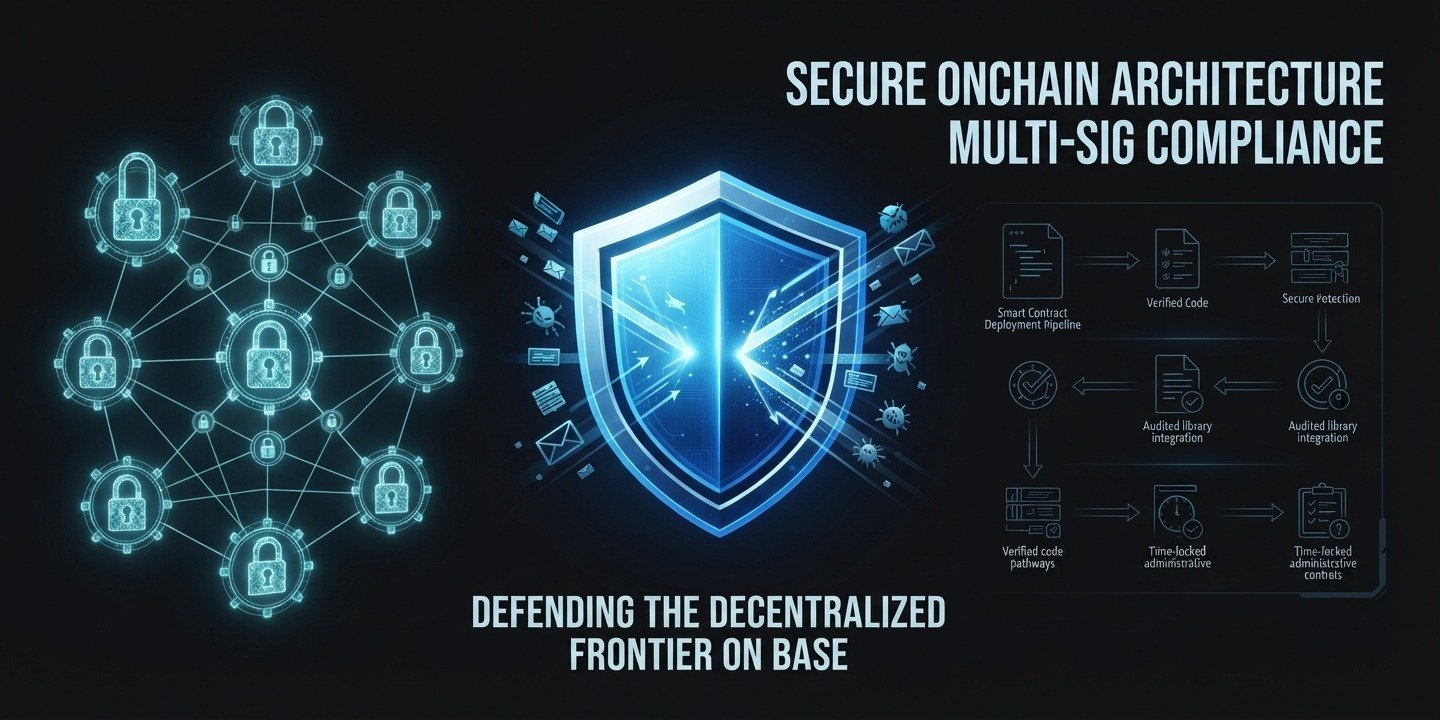
As decentralized applications scale rapidly across the Base ecosystem, the security architecture underlying smart contracts and digital treasuries becomes paramount. While high speed and low gas fees empower seamless consumer experiences, they also mean that any vulnerabilities in deployed code can be exploited at machine speed. Securing the next generation of onchain products requires a comprehensive shift toward proactive risk management.
Building resilient decentralized applications involves more than just passing basic syntax checks. Developers must implement rigorous access control mechanisms, time-locks for critical administrative functions, and multi-signature (multi-sig) governance structures to safeguard treasury assets.
By distributing authorization across multiple independent keys, teams eliminate single points of failure. Furthermore, leveraging audited libraries and standardized implementation patterns from trusted ecosystems helps prevent common attack vectors such as reentrancy flaws and improper slippage boundaries.
Security is ultimately a feature, not an afterthought. In an open-source environment like Base, transparent contract verification, verifiable source code on block explorers, and continuous integration testing build essential trust with users. As consumer adoption grows, protocols that prioritize robust cryptographic security frameworks will naturally lead the market, ensuring sustainable, long-term growth for the entire decentralized economy.
Tags & Mentions: @base @openzeppelin
Hashtags: #Base #SmartContracts #Web3Security #DeFi #Multisig #Layer2 #BuildOnBase
Platform / Project: basekit.online
Developer Name: Mehmet Çelik
Username (GitHub / Farcaster): temhemc
Base Builder ID:
bc_h8ua8gs9