
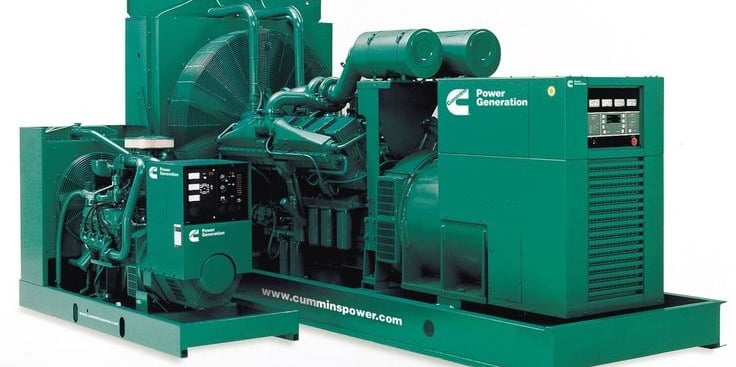
The diesel generators industry is witnessing significant transformation driven by increasing demand for reliable power backup solutions globally. As industrial growth accelerates and energy infrastructure gaps persist, the diesel generators market is poised for substantial expansion, shaped by evolving market dynamics and competitive strategies among market companies.
Market Size and Overview
The Diesel Generators Market is estimated to be valued at USD 22.49 Bn in 2026 and is expected to reach USD 34.05 Bn by 2033, growing at a compound annual growth rate (CAGR) of 6.1% from 2026 to 2033.
This robust Diesel Generator Market Forecast is underpinned by growing industrialization and increased focus on uninterrupted power supply across emerging economies. The market insights reveal heightened adoption in sectors such as construction, oil & gas, and healthcare, further amplifying the industry size and market revenue globally.
Key Takeaways
- Dominating Region: Asia Pacific emerged as the dominating region for diesel generators market share in 2025, supported by infrastructure expansion and rising power deficit issues, particularly within India and China.
- Fastest Growing Region: Africa stood out as the fastest-growing region in 2025, with countries securing diesel generators to supplement unreliable power grids, such as Nigeria and South Africa.
- By Power Rating Segment: Diesel generators above 1000 kVA dominated market revenue in 2025, catering to heavy industrial needs. However, the 100-500 kVA segment registered the fastest market growth due to demand for mid-sized generators in commercial establishments; for instance, a major manufacturing plant in Indonesia deployed 450 kVA generators in 2024 for uninterrupted operations.
- By Application Segment: Industrial applications retained dominance in market share driven by factories and mining sites. Meanwhile, the commercial segment showed fastest growth, fueled by retail stores and healthcare facilities upgrading backup systems across Southeast Asia.
- By End-User Industry Segment: The construction industry led in market revenue, backed by large-scale infrastructure projects globally. The emerging renewable energy sector also presented rising opportunities for diesel generators used in hybrid power systems.
Market Key Trends
A pivotal market trend shaping the diesel generators market through 2025–2033 is the increasing integration of smart control technology with diesel generators. This trend addresses critical market challenges such as fuel efficiency and emissions by enabling remote monitoring, predictive maintenance, and real-time performance analytics. For example, a major player launched a smart diesel generator system in 2024, which reportedly reduced fuel consumption by 12% and lowered operational disruptions by 25% in commercial sites in Europe. These advancements align with stringent emission norms and growing market drivers related to sustainability, thereby expanding the market scope for technologically enhanced diesel generators. Market reports highlight that such innovations are becoming key growth strategies for manufacturers to secure market share against competitors focusing on traditional solutions.
Key Players
Key market companies in the diesel generators market include AKSA Power Generation Company, Atlas Copco AB, Caterpillar, Cummins Inc., Doosan Portable Power, and G. These market players are actively adopting strategies such as expansions into emerging markets, strategic partnerships, and continuous product innovation to capitalize on evolving market opportunities. For instance, in 2025, one prominent player expanded its manufacturing capacity in Asia Pacific, resulting in a 15% increase in market revenue within the region. Similarly, collaborative ventures focusing on hybrid diesel generator solutions were initiated in late 2024, enhancing product portfolios with an emphasis on reducing emissions and improving fuel management. Such strategic moves underscore market growth strategies adopted to address market restraints while reinforcing competitive positioning in the global market.
---
FAQs
Q1. Who are the dominant players in the Diesel Generators market?
The dominant players include AKSA Power Generation Company, Atlas Copco AB, Caterpillar, Cummins Inc., and Doosan Portable Power, among others, leveraging innovation and global expansions.
Q2. What will be the size of the Diesel Generators market in the coming years?
The Diesel Generators market size is expected to grow from USD 22.49 billion in 2026 to USD 34.05 billion by 2033, with a CAGR of 6.0%.
Q3. Which end-user industry has the largest growth opportunity?
The construction industry leads in market revenue and presents the largest growth opportunity, driven by increased infrastructure and development projects worldwide.
Q4. How will market development trends evolve over the next five years?
Market trends will focus on smart control systems integration with diesel generators, improving fuel efficiency, and complying with stringent emission norms, thus enhancing market scope and growth.
Q5. What is the nature of the competitive landscape and challenges in the Diesel Generators market?
The competitive landscape is marked by innovation-driven strategies and regional expansions. Challenges include meeting environmental regulations and fuel consumption optimization.
Q6. What go-to-market strategies are commonly adopted in the Diesel Generators market?
Market players typically engage in strategic partnerships, capacity expansions, and introduce technologically advanced products as part of their market growth strategies.
➣ Get this Report in Japanese Language: ディーゼル発電機市場
➣ Get this Report in Korean Language: 디젤발전기시장
➣ Read More Related Articles: Electric Trucks vs. Diesel Trucks: Performance and Cost Comparison
About Author:
Money Singh is a seasoned content writer with over four years of experience in the market research sector. Her expertise spans various industries, including food and beverages, biotechnology, chemical and materials, defense and aerospace, consumer goods, etc.