
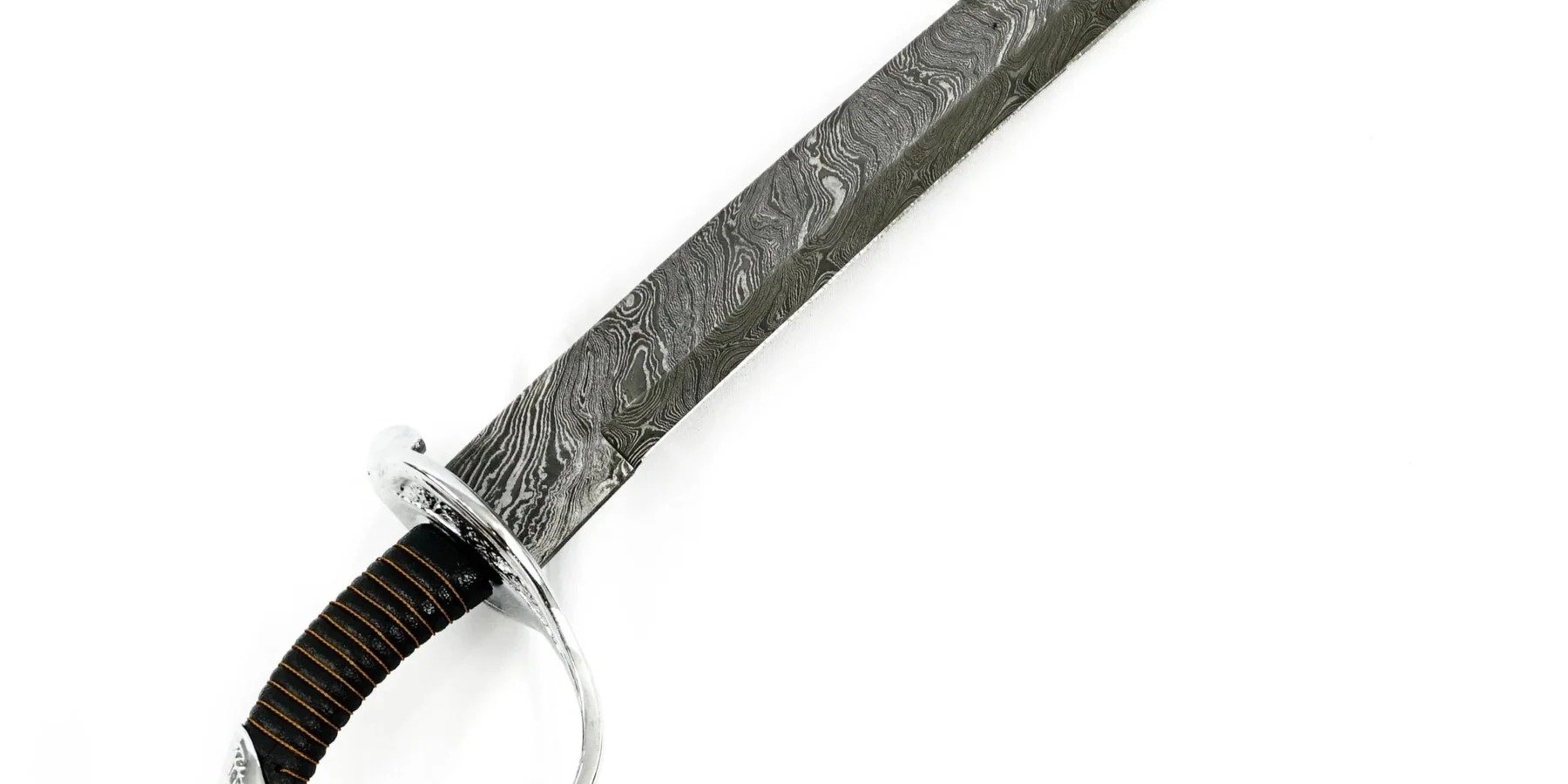
High-quality Damascus steel swords are known by a laminate design, strength, sharpness, and distinctive wavy patterns. These blades are not only strong and precise but also make for great acquisitions for those passionate about historical weapons.
The problem with distinguishing ornamental swords from functional Damascus swords is common among consumers. The vast options may lead one to overlook crucial factors such as the quality of the steel used, balance, and craftsmanship, which greatly influence the sword’s effectiveness and longevity.
Understanding what to look out for will allow you to purchase wisely. These are the key factors you should keep in mind.
The method of forging several pieces of steel into one creates Damascus steel. This means that the steel has:
● Flowing patterns along the blade
● Increased durability and flexibility
● Strong edge retention
Modern methods help maintain the authenticity of the process and its outcome.
It is very important to take into consideration the number and quality of layers.
● Good steel blades consist of more than 100 layers
● Poor layering causes poor quality and flexibility
● Quality layers contribute greatly to durability
Don’t evaluate products based solely on their appearance.
This is the hallmark of correct tempering.
● Seek natural and fluid wave-like patterns.
● Don't go for anything that looks artificial.
● Some imperfections in the pattern are not unusual.
Patterns indicate the expertise of the creator.
A well-balanced knife blade is strong but flexible enough.
Feature | Ideal Information |
Strength | 55 to 60 HRC |
Sharpness | Should remain sharp with use |
Flexibility | Prevents cracking |
If too hard, it tends to chip, and if too soft, it loses sharpness fast.
Full tang design is where the blade extends through the handle.
● Strengthens structure and increases stability
● Enhances handling capability
● Decreases the risk of damage
This design feature is fundamental for a sword to be functional.
Proper balance is conducive to good handling and comfort.
● The proper point of balance must be near the guard
● Uniform weight reduces strain when using the sword
● Good balance make your control and accuracy easier
An imbalanced sword is difficult to handle, being too heavy.
The right kind of handle guarantees security and comfort.
Some types of handles include:
● Wood for aesthetic purposes
● Leather for a firmer grip
● Micarta handles for modern purposes
Choose a handle that offers a secure and comfortable grip when you hold it.
Quality is evident in the details.
● Smooth and precise edges and fittings
● Good alignment between the guard and pommel
● There are no gaps or poorly constructed pieces
Well-made damascus swords usually display good finishing and longevity.
Different swords have different uses.
● Functional swords are meant for practice or theatrical purposes
● Display swords are meant for decoration
Make your choice based on how you plan to use the sword.
The Damascus swords are special due to their distinctive layered structure and natural patterns that they exhibit. This combination not only increases their strength and flexibility but also adds to their aesthetic qualities. In this way, swords combine real-world functionality with visual appeal.
It is possible to use Damascus swords in practice since they perform well, depending on many features, including balance, hardness, etc. However, if you plan to train or participate in historical events, select the right weapon first.
Real Damascus blades have unique, irregular patterns formed during the process of manufacturing. The design should not look printed or overly uniform. In addition, checking specifications and purchasing swords from reliable manufacturers would help.
Hardness within the range from 55 to 60 HRC would be ideal because it allows one to get a good combination of the blade's strength and flexibility.
Yes, they would be very valuable considering that these swords are durable, look impressive, and have a great design.
Selecting the best Damascus steel swords should be based on quality, balance, and craftsmanship. With an investment in a good sword, you not only get functionality but also make a valuable acquisition. Check out some of the high-quality Damascus swords available at Battling Blades for authentic products.