

ETHGlobal New Delhi (September 26–28, 2025) marked ETHGlobal's first-ever hackathon in New Delhi and 5th event in the country of India. In a country with 900 million internet users and a thriving developer ecosystem, Ethereum builders came together to tackle problems that matter.
The weekend brought together builders from across India and around the world, converging on New Delhi for three days of relentless hacking. Hosted alongside New Delhi's broader Ethereum community week, the hackathon tapped into a city that's rapidly becoming a crypto hub—where developers think in terms of scale, inclusion, and real-world impact.
Total attendees: 1900
Hackers: 1600
Countries Represented: 25
Projects Submitted: 615
Finalists: 10
Prizes: $195,000 USD
On Friday evening, September 26, we welcomed 1900 attendees to the hackathon venue in New Delhi. The energy was immediate and electric. After a warm welcome from ETHGlobal's Kartik Talwar, we reminded everyone: "This is not a conference. This is a hackathon."

For the next 36 hours, builders from India and beyond worked tirelessly, turning ideas into functioning prototypes. The venue was packed with teams huddled around whiteboards, mentors circulating to debug smart contracts, and hackers fueled by chai and determination. Over 150 on-site partner mentors helped teams level up their technical game.
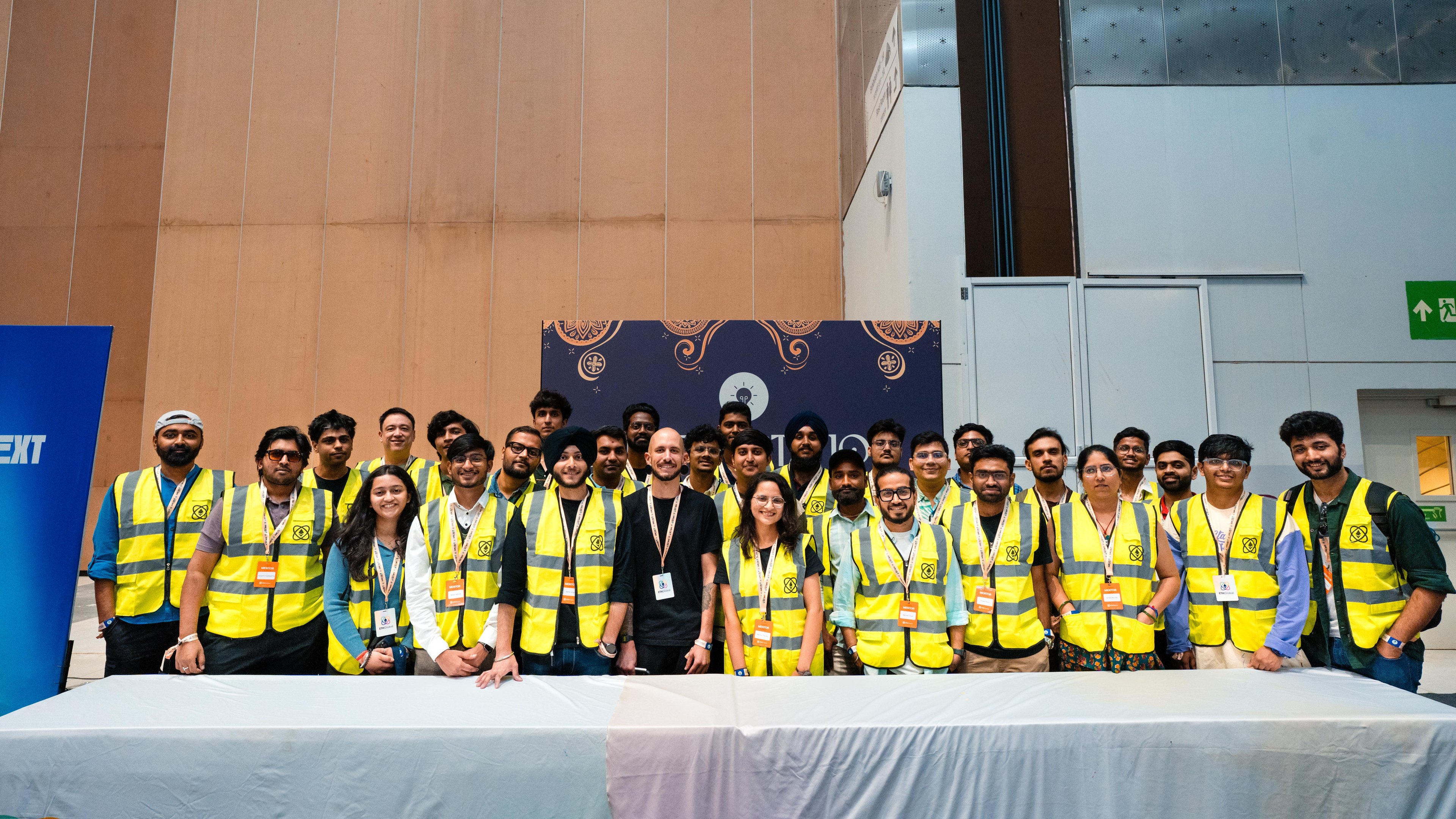
What stood out was the intent behind the projects. Many teams zeroed in on infrastructure problems unique to emerging markets: connectivity challenges, privacy in high-surveillance environments, and making crypto accessible to users who've never touched a wallet. It was Ethereum innovation routed through a distinctly Indian lens.
Privacy-First DeFi: Privacy dominated the conversation in New Delhi.
Nox built a private perpetual DEX that uses zero-knowledge proofs to keep trades hidden while still settling on-chain. Traders interact with a dark pool proxy that links to a public clearing house, meaning you can speculate on price movements without revealing your positions or strategy. In a world where MEV bots front-run everything, Nox offers a path to trade with genuine privacy.
DIKE Protocol reimagined prediction markets with "limited capital, unlimited predictions"—a branching structure that lets users make complex forecasts without locking up massive collateral.
And MemeWarp created cross-chain memecoin launchers where price differences across chains aren't bugs—they're features, creating arbitrage opportunities and novel trading dynamics.
Offline & Inclusive Infrastructure: India has 900M internet users—but connectivity remains inconsistent for many.
NoNet tackled this head-on by enabling fully onchain transactions without internet or cellular connection. The project uses alternative communication protocols to broadcast and settle transactions, making crypto accessible even in remote areas or during network outages. It's the kind of infrastructure thinking that could unlock crypto for the next billion users who don't have reliable connectivity.
AI x Crypto for Real Life: AI was everywhere, powering both security and everyday applications.
Igris AI stood out as a security agent that monitors for threats and defends crypto assets from exploits before they happen—security that evolves in real-time.
KagamiAI introduced AI-powered SocialDeFi where users can build, copy, and pool trading bots for smarter yield strategies.
Autonome focused on bridging humans and AI agents in the agentic economy, creating payment infrastructure where both can transact on equal footing.
Beyond finance, ad-402 combined crypto micropayments with dynamic ad serving—essentially HTTP 402 for the modern web.
And calendefi turned your calendar into a wallet: schedule payments like meetings, approve transactions like RSVPs. These projects showed that crypto doesn't have to feel alien—it can integrate into the tools we already use daily.
You can explore all 615 projects from ETHGlobal New Delhi on our Showcase.
The energy in New Delhi was infectious. Teams formed quickly, many pulling all-nighters to refine their demos. First-time Web3 developers got their wallets funded, learned Solidity, and shipped working dApps in under 40 hours.
Partner representatives were equally impressed, with several committing to follow up with teams post-event. The vibe was clear: New Delhi isn't just attending Ethereum—it's helping build it.

Held on September 25, the day before the hackathon, Pragma New Delhi brought together ecosystem leaders, core Ethereum contributors, and founders for a day of technical talks and philosophical debates. Hosted at the JW Marriott in Aerocity, it felt like an Ethereum masterclass delivered for India's developer community.
Attendees heard insights from Sarah Thiam (FIL-B), Harsh Rajat (Push Protocol), Denham Preen (Envio), Kevin Lin (Self Protocol), and many more. The discussions ranged from liquid apps and sovereign cloud to privacy-enhancing technologies and the future of DeFi—giving everyone a front-row seat to where Ethereum is headed.
Liquid Apps: Prabal Banerjee introduced applications that seamlessly operate across 15+ chains with unified experiences and native liquidity without requiring bridges.
Sovereign Cloud: Sarah Thiam presented the Filecoin Onchain Cloud as an onchain marketplace rebuilding compute, storage, and payments as open, modular services verifiable by smart contracts.
Privacy Tech: Remi Gai mapped privacy technologies (FHE, ZK, MPC, TEEs) and proposed bringing confidential compute to existing blockchains to avoid the cold start problem.
Uniswap Hooks: Angela Ocando explained how Uniswap V4 hooks let developers program custom logic like limit orders, dynamic fees, and compliance rules directly into liquidity pools.
Data Tokenization: Nandit Mehra outlined how Lighthouse enables users to upload encrypted data, mint data coins representing ownership, and trade in decentralized marketplaces.
Blockchain Indexing: Denham Preen introduced Envio's HyperIndex + HyperSync as high-performance, multichain infrastructure for faster dapps and richer analytics.
Universal Apps: Harsh Rajat unveiled Push Chain, letting developers deploy once and have contracts work across chains with just a UI Kit and package updates.
AI Security: Shashank showed how Credshields uses AI-driven analysis for contextual contract behavior analysis and continuous learning from exploits.
Agent Micropayments: Luís Freitas demonstrated MCPay adding micropayments per tool calls to servers and APIs without rewriting infrastructure for the agent economy.
Commerce Checkout: Cynthia Wang introduced Primer as a checkout layer for e-commerce starting with Amazon to make stablecoin payments seamless.
Virtual Blockchains: German Abal presented EVVM allowing developers to deploy virtual blockchains as smart contracts, creating nested EVMs for new abstraction layers.
Hackathon Prediction Markets: João Santos explained how Livestakes combines prediction markets with live analytics to make tech contests feel like sports entertainment.
Adversarial AI: Preetam Rao proposed QuillAI Network's swarm of RL-based adversarial agents that simulate attackers and uncover zero-days via continuous self-play.
Reputation Systems: Tushar Ojha argued that reputation is scarcer and more valuable than capital, introducing True Network's Social Contracts as a digital reputation layer.
ZK Identity: Kevin Lin announced Self Protocol's Aadhaar integration, opening access to 886M+ users with plug-and-play biometric identity verification.
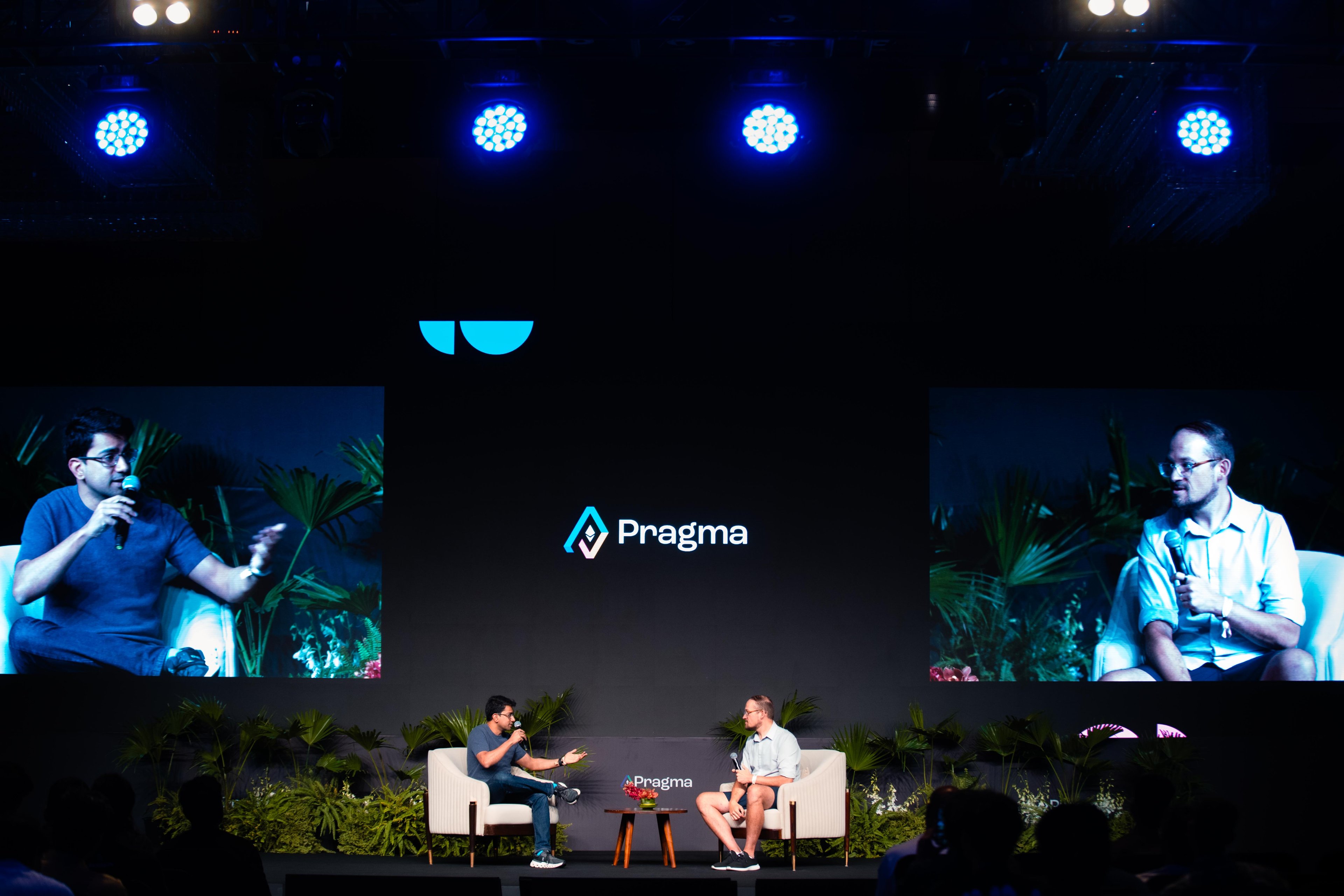
*You can watch all Pragma New Delhi talks on our Youtube channel. *
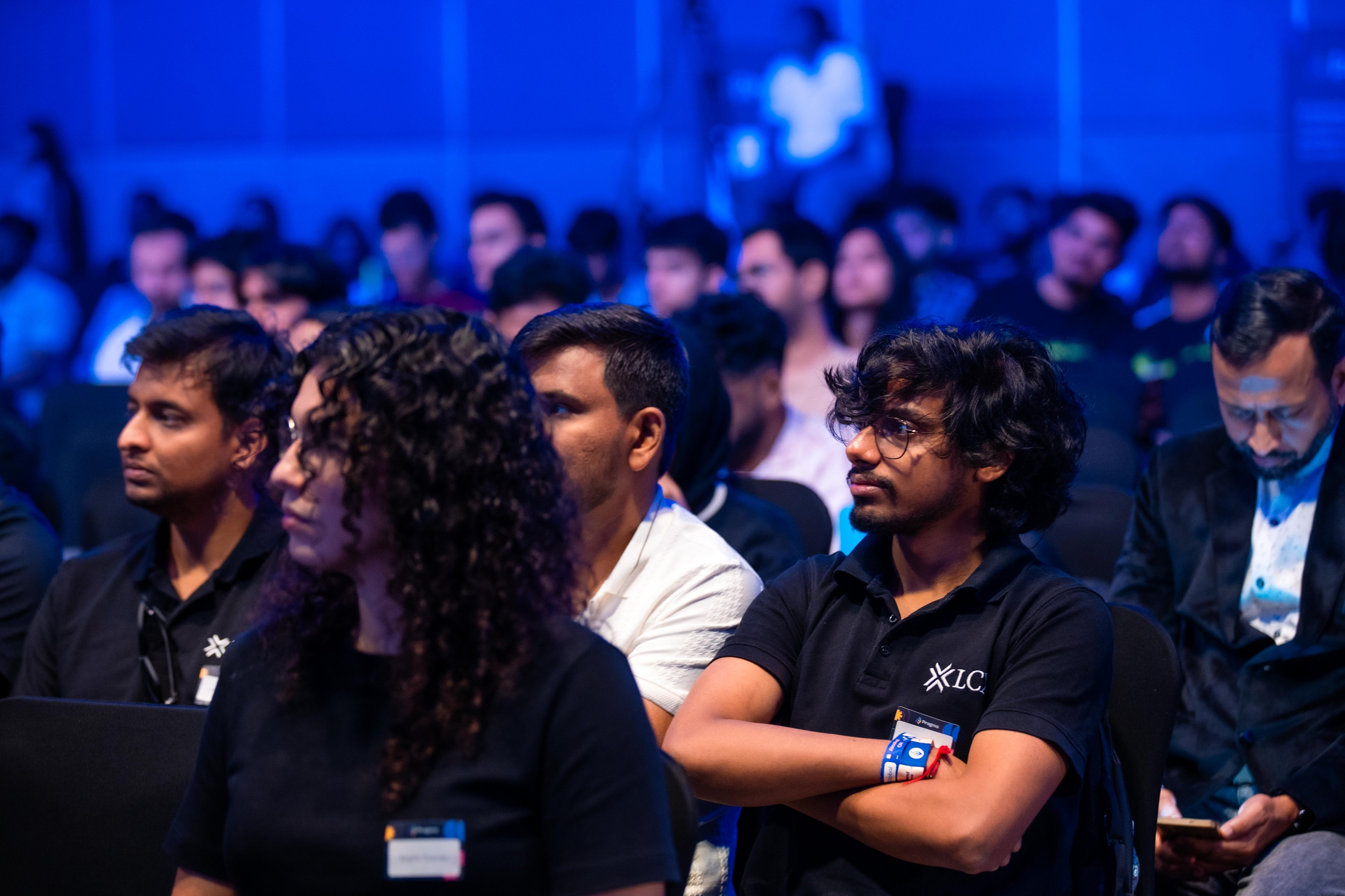
Attendees were fully engaged throughout Pragma New Delhi. From junior developers to protocol founders, there was a palpable intensity during each talk. You'd see devs furiously taking notes during technical deep-dives and asking sharp follow-up questions.
One attendee shared: "This felt like being inside the mind of Ethereum—equal parts technical blueprint and philosophical debate. And it's happening in India."
The mix of low-level discussions (indexing optimizations, FHE vs ZK tradeoffs) with high-level ideals (reputation systems, sovereignty, universal apps) left everyone energized for the hackathon the next day.
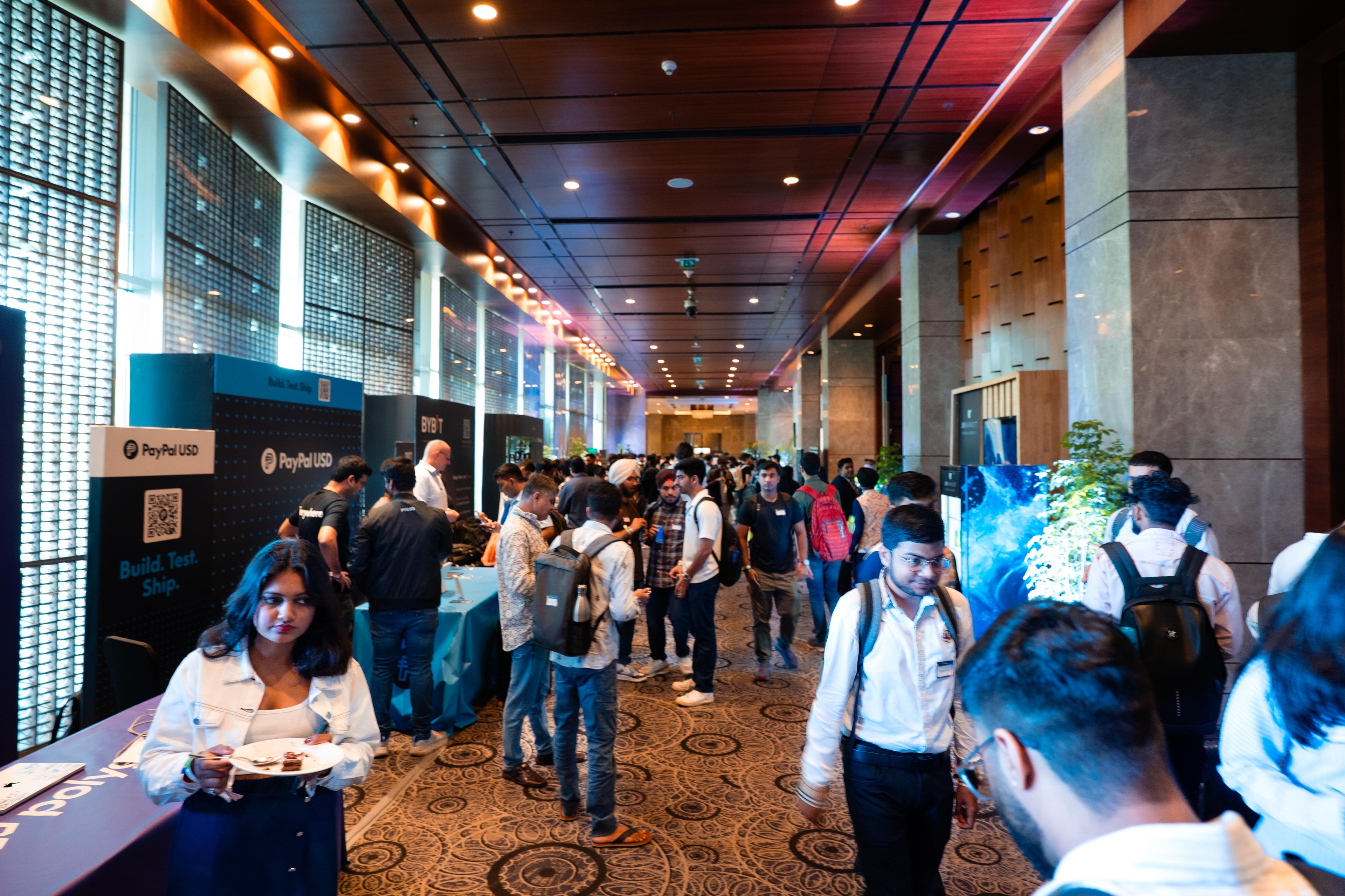
ETHGlobal New Delhi was a resounding success. We saw hackers build AI security agents, private perpetual DEXs, offline transaction infrastructure, and calendar-based wallets. Projects that could genuinely make crypto more accessible, more private, and more useful.
What stood out most was the builders' focus on real-world impact. Whether it was enabling transactions without internet (NoNet), protecting traders' privacy (Nox), or making payments as simple as scheduling a meeting (calendefi)—teams tackled problems that matter beyond crypto Twitter.
And Pragma reminded us why Ethereum is more than a blockchain: it's a movement. From liquid apps to sovereign cloud, from reputation systems to AI-driven security, the conversations in New Delhi painted a picture of Ethereum's next chapter—one that's more private, more scalable, more accessible, and more principled.
India isn't just watching Ethereum's evolution. It's actively building it.
Save the date and come build with us at ETHGlobal Buenos Aires: November 21–23, 2025
💚 ETHGlobal Team