
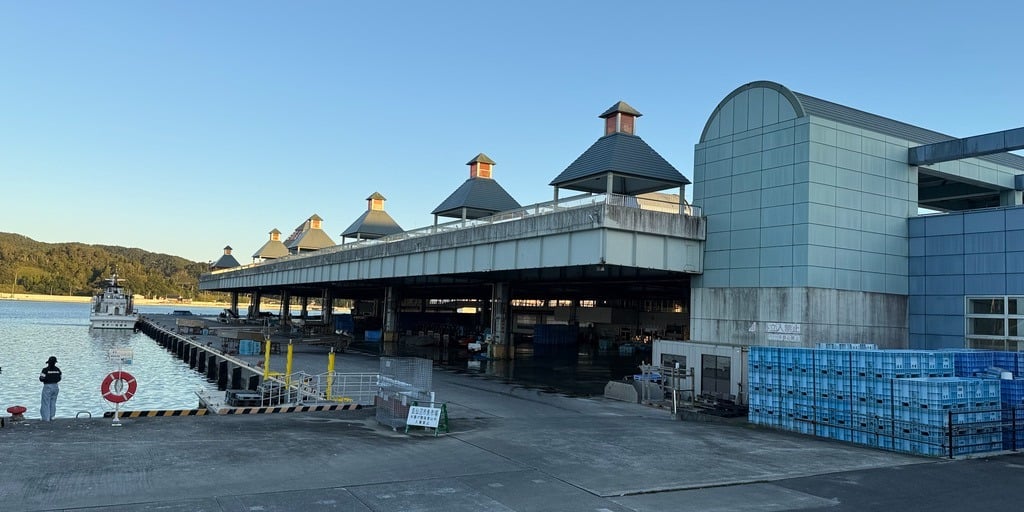
During a visit to Japan I participated in a ‘civic goods’ hackathon. It took place during two weeks in Kesennuma, a city on the northeast coast. It’s a big fishing port. The image in the header is the wholesale fish market.
Kesennuma got inundated by a tsunami in 2011. The seawater reached the roof of the above building, and surged higher when it gushed into the bay. The tsunami followed an earthquake and was one of the most devastating natural disasters in Japan’s history. It killed thousands of people and destroyed the entire coastline by Kesennuma. 15 years later the city is still rebuilding. Here’s a quote from the hackathon website:
If not to solve social challenges, what are we building technology for?
Rather than treating communities as passive recipients of technology, we treat Kesennuma as a living laboratory for shaping the society of tomorrow.
This hackathon is playfully named ‘Hackatsuon’, referring to ‘Katsuo’ (bonito), the most popular fish brought in at the port. This was the second one held in the city, the first took place last year:
I have some news. In the hackathon my project won the grand prize, a.k.a. the Mayor’s Award, for its relevance to the city’s problems! 🏆 Here’s the presentation:
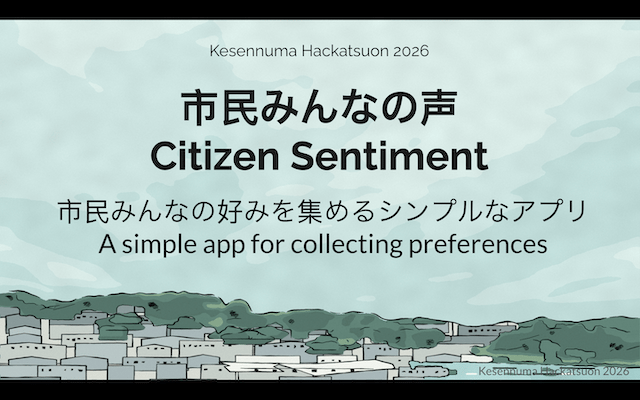
It’s a super simple app, a Web2 solution, but we used AI for development and the use case design images. This is the description:
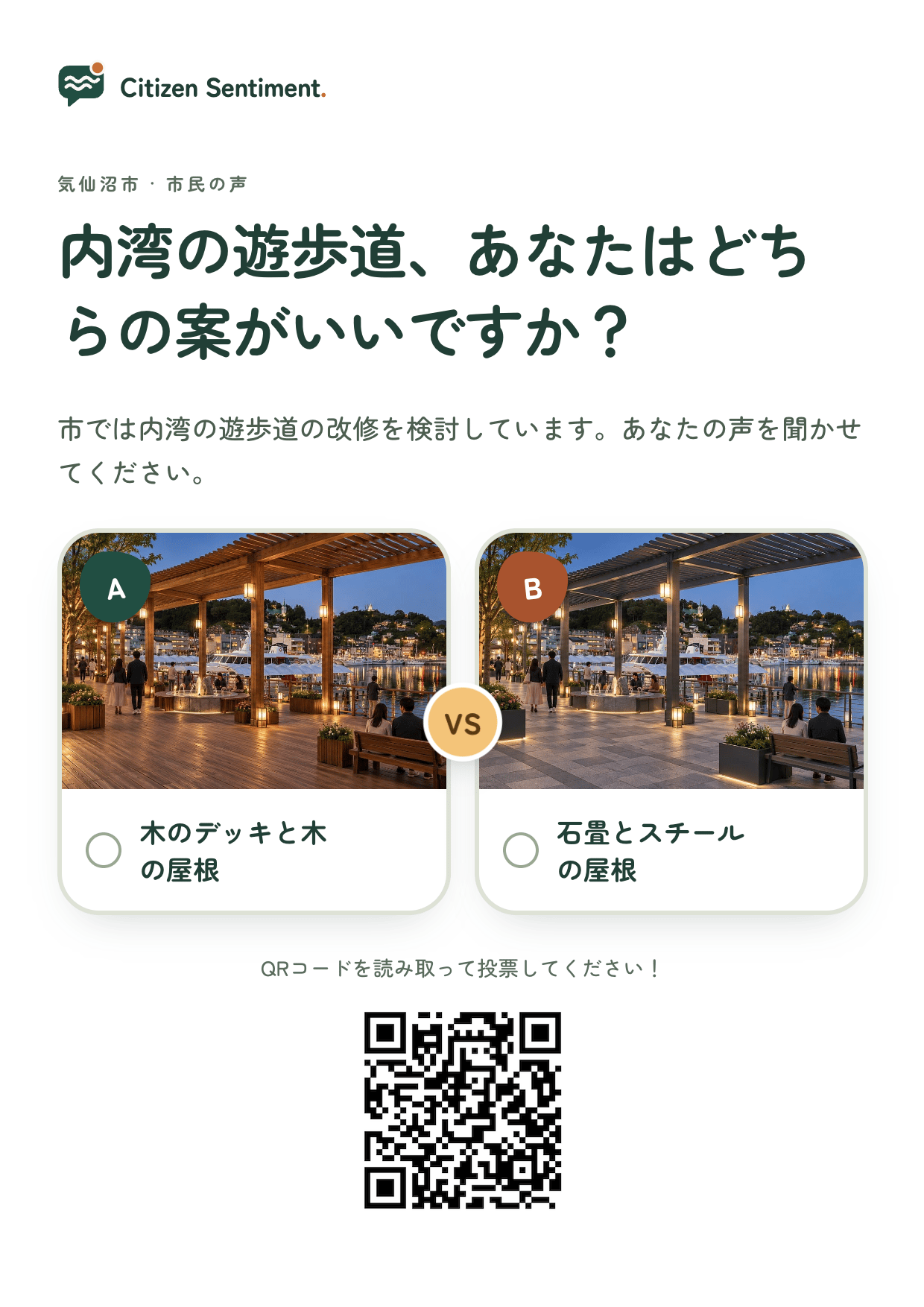
Citizen Sentiment is a simple app that enables Kesennuma city officials to gather the preferences of citizens about a future project. It’s primarily visual where images, in A/B format, are distributed in multiple media, including web, app, and paper. Promotion includes a QR code link. After citizens scan the QR code they land on a poll page in the Citizen Sentiment app. They make a choice between image A or B and submit their preference. The city can then gauge the sentiment of the populace when making decisions.
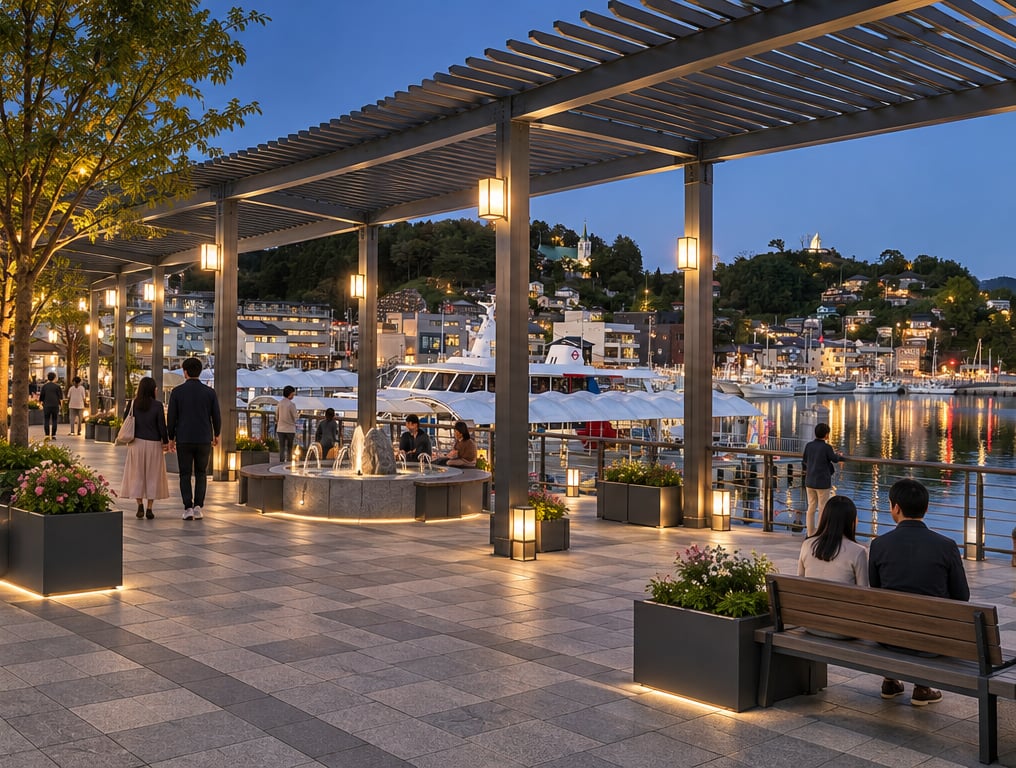
As a use case I ‘designed’ (using ChatGPT) a promenade for the Kesennuma harbor. Promenades improve the quality of life in a city. Two designs were created and the demo poll asked citizens to vote for A or B.
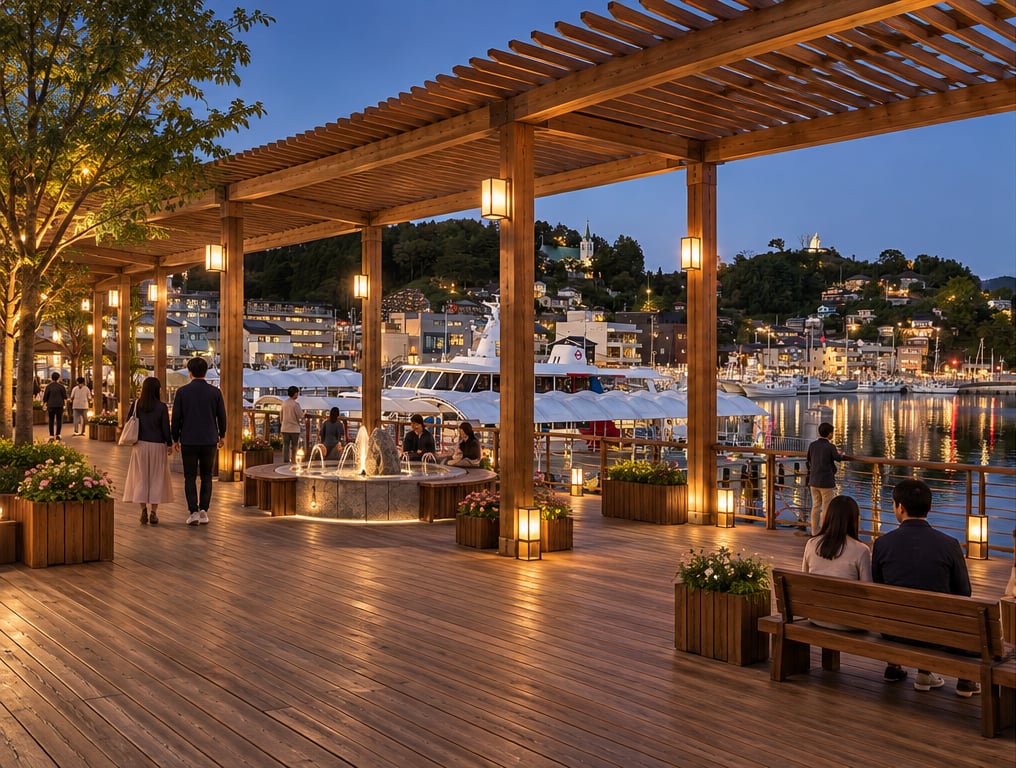
This is the flyer that was distributed at the demo presentation. Citizens scan the QR code with their phone, view the poll, and vote. Takes 2 minutes.
Citizen Sentiment is designed to bridge the gap between active participants and interested citizens. ‘Active participants’ may attend neighborhood association meetings and invest substantial time in a process. ‘Interested citizens’ are people who would like to share their opinion with the city but don’t make time to get involved with a project.
For a full breakdown of the app see the PRD (Product Requirements Document) at: https://github.com/kitblake/citizensentiment/blob/main/prd.md
Japanese version: https://github.com/kitblake/citizensentiment/blob/main/prd_jp.md


