

As we closed out 2025, I was surprised that film streaming services like Netflix and Amazon Prime Video don't have an end-of-year "wrapped" recap. Pretty sure my Harry Potter re-watches would top the list. But even more interesting would be data on my viewership of TV shows and movies that center around a famous brand's story.
Brand storytelling has been a recent obsession, and not just mine, corporates too. As stated by Katie Deighton in the viral WSJ article, the percentage of LinkedIn job postings in the U.S. that include the term ‘storyteller’ doubled last year. Maria LaMagna Morales, a tech marketer, has been ahead of the pack, sharing her two cents on TikTok about the great exodus from traditional marketing to 'story-ville'. In her words, "we've been saying it for years, but for some reason people are ready to do storytelling now."
I was a guest speaker at Build A DAO's Holiday tutelage program, yapping all things marketing. Half the attendees confessed to having AdBlock extensions on their browsers, and ironically, I empathize. A staggering 54.2% of internet users cite 'intrusive ad formats' as a core reason for turning to ad blockers (Source: Increv). An insurance policy ad ten minutes into a juicy YouTube storytime is annoying, and don't get me started on the incessant banner pop-ups in the midst of reading a news article.
How else can marketers create brand awareness and reinforce messaging? Even more vital, how can brand relationships evolve from a transactional to an emotional one? The solution isn't just better ads, it's more stories, particularly those crafted within a filmmaker's purview.
Now, before we tussle, I believe that not all stories should center a marketing team's KPIs. Comic books, films, artwork, and so on, are expressions of creativity; sparking and expressing emotion, reminding us that we're all in this together. Yet, these channels can also be harnessed to convey a deeper brand philosophy. One that feels more human and less machine.
Remember the "community account-shared password" streaming era? Audiences remain parched for refreshing stories that resonate and feel intentional. Worldwide, 91.7% of internet users watched content via streaming services each month as of Q2 in 2025 (Source: Statista). A founder documentary or company origin series could change the tide for a brand's dwindling perception. Yes, a sizeable budget will be required and measuring ROI won't be as simple as tracking click-through rates. This is a long-term play, one where success looks like cultural impact, brand love, and organic conversations. The risk? Your story might flop. The bigger risk? Staying invisible while your competitors earn a place in people's hearts.
Enough theorizing, let me show you the receipts. My favourite tales are moving and purposeful. I'll skip a 30-second ad but have a bowl of popcorn ready to watch a 90-minute film, about the same product. Here are four films that didn't just entertain me; they fundamentally shifted how I perceive the brands behind them. I'll do my best to minimize spoilers :)
Vitalik: An Ethereum Story
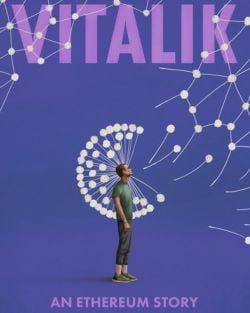
As someone deep in the Web3 world, this documentary had been on my watchlist for a minute. Filmed in 2022 to 2023, it chronicles the journey of tech visionary and Ethereum founder Vitalik Buterin. From his early days exploring an old IBM PC to the decentralization advocate we know today. My favorite scene was the 'Encyclopedia of Bunnies' created by little Vitalik, a true math genius. The independent film was produced by Optimist and Strange Design, in association with Lone Palm Productions, Big Beach, & TIME Studios. Notably, Linda Xie, builder at onchain social app Farcaster, was a co-producer.
The film humanized a complex technology by focusing on the person, not the protocol. I have a newfound respect for the Ethereum Foundation. The highs, lows, shifts, and effort it took to write tech history, grow a global community and keep the foundation running made Ethereum feel less like code and more like a movement.
House of Guinness
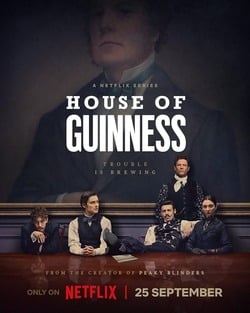
This is a 2025 Netflix series that had me abuse the 'next episode' button. House of Guinness is a fictionalized historical drama of Ireland's most iconic and enduring dynasty, the Guinness family. Hard to say what I enjoyed most — the set design, rousing plot, witty dialogue, James Norton ;) Created by accomplished screenwriter Steven Knight, the show is set in the 19th century. It follows the aftermath of the death of brewery patriarch, Sir Benjamin Guinness, and the subsequent impact on the fate of his four adult children.
My entire adulthood, I've come across Guinness billboards, commercials, and even sat opposite a tap of the stout beer, but I have never been curious. Here's the fascinating part: the Guinness brand and Diageo were not involved in the making of this show, yet the story impacted social mindshare. Post-premiere, I noted a surge of TikToks of visits to the St. James's Gate Brewery in Dublin. It's insane that an 8-episode period drama has led to a paradigm shift in my happy hour try-outs. Sometimes the best brand stories aren't the ones brands tell themselves; they're the ones that emerge when storytellers find your history compelling enough to explore.
Black Barbie
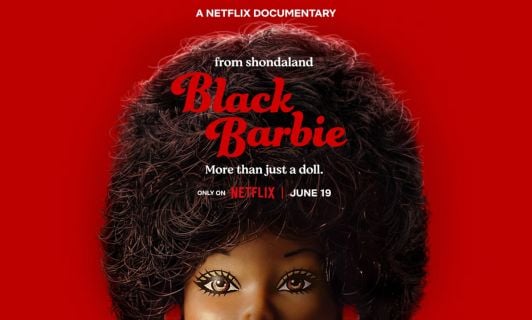
I rarely shed a tear when watching a documentary, but this — oh, it had me bawling. It took me back to being a dark-skinned black girl, facing rows of shelves in the toy store and picking out a doll that looked nothing like me. In the words of TV royalty, i.e. Shonda Rhimes, "If you've gone your whole life and you've never seen anything made in your own image, there's damage done."
The Shondaland x Netflix documentary explores the creation of the first black Barbie doll in the '80s and its evolution. It tells the story of pioneer Beulah Mae Mitchell, who dreamed up the idea of a black Barbie and shared it with Mattel, designers like Kitty Black Perkins and Stacey McBride-Irby, who brought the doll to life and everyday black women whose lives were transformed when they held their first black fashion doll as girls. This wasn't a commercial; it was a cultural reckoning. The film was released in 2023, but it will likely have a lasting impact. To heal my inner child, I have clicked the 'add to wishlist' button for a gorgeous melanated Barbie with a fluffed fro and red knit dress. That's the power of storytelling that goes beyond selling.
Air
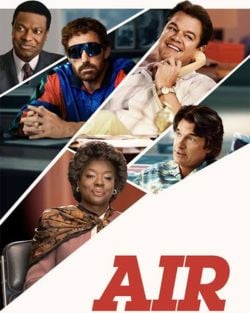
It's 1984, Sam Fan Thomas owned the African airwaves, payphones dotted NYC streets, and Converse and Adidas were the dons of sports apparel. Nike, a rising firm, only had command over 17% of the sneaker market share. Inspired by true events, the 2023 film documents the birth of the Air Jordan line, spearheaded by Sonny Vaccaro, marketing executive at Nike. Sonny had a relentless conviction that a young, upcoming basketballer, Michael Jordan, was America's next G.O.A.T athlete and pushed for a partnership. Philip Knight, Nike founder and then CEO, needed convincing as running shoes had higher sales than hoopers' sneakers. The movie magnifies the process behind the most successful sports-business collaboration—the boardroom rows, strategy sessions and pure determination. The zoom-ins to the company values board were my favourite scenes, "This is as much about battle as about business." Peak corporate boomer era!
The film portrayed the human side of risk-taking and the moments where belief mattered more than spreadsheets. Beyond the numbers, the film reinforced Nike's brand identity as a company that notices potential others miss and builds legends. Air Jordan sold $162M of merch in its first year and currently represents about $7 billion in annual sales for Nike. The lesson: the biggest deals happen in a room of people who believe in greatness.
“After nourishment, shelter and companionship, stories are the thing we need most in the world.” - Philip Pullman, Author
Vitalik's documentary is about an intelligent young man who believed in a new world. House of Guiness centers on family, business and belonging. Black Barbie highlights inclusivity and girlhood. And Air reveals the journey to success. The product is a witness on the bench, a supporting character, while the narrative shines in the main arena, and invites us to feel, learn, relate and grow.
The question for marketers isn't whether to tell stories, it's whether they have stories worth telling. Audiences can smell the difference between a narrative that serves the brand and one that awakens the human experience. So while I anticipate my 2026 film 'wrapped' recap, I know what my data would show. I'm not just consuming entertainment. I'm watching brands earn their way into my life, one story at a time. For every brand sitting on decades of history, pivotal moments, or founder journeys collecting dust in the archives, the screen is waiting.