

Last week I had one of those phone calls that reminded me there are genuine people out in the world building film3 tools that actually want to put power into the hands of the makers. Meet Cyon.
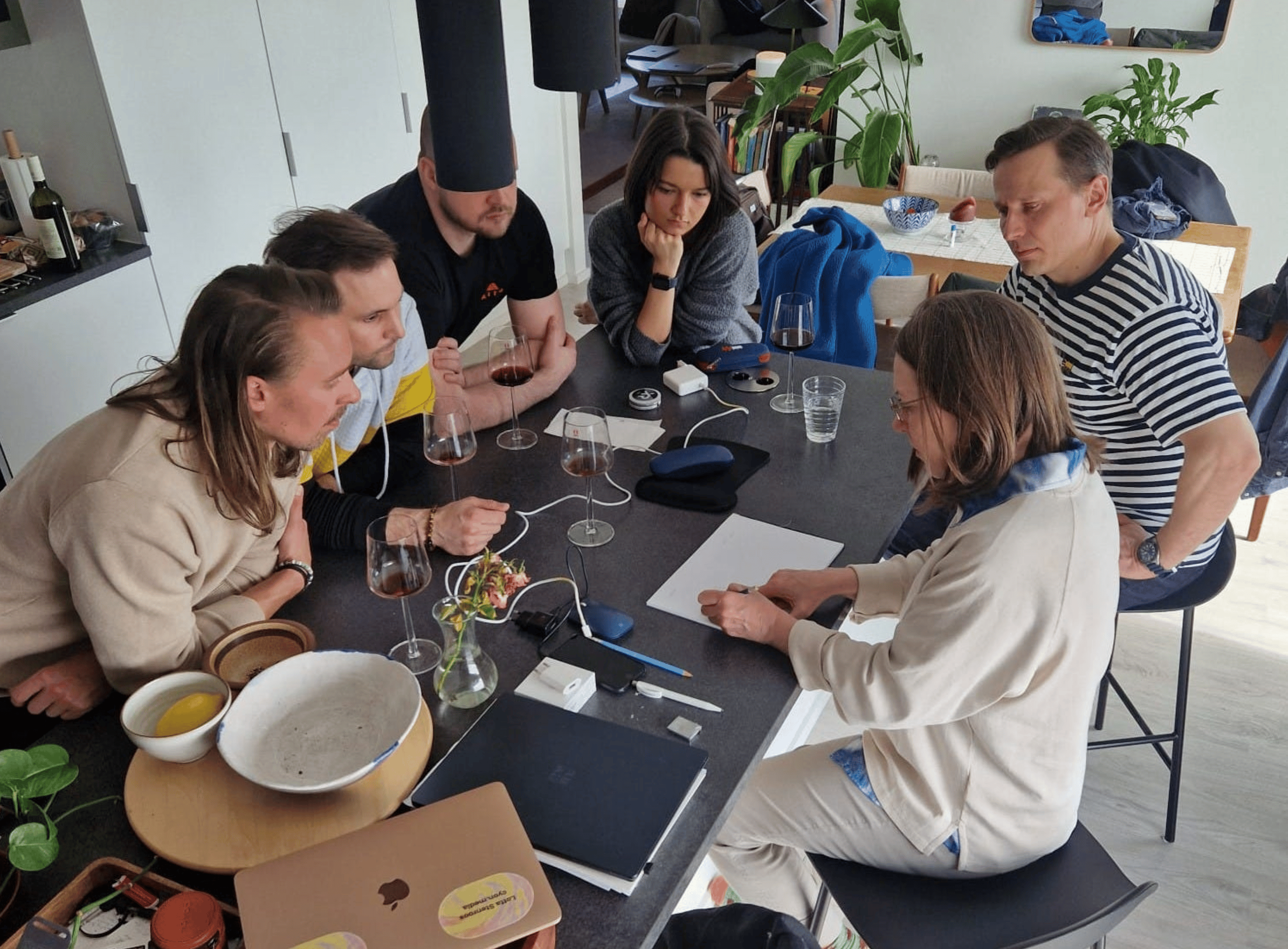
The women behind the company, CTO Tracie Mitchell and CEO Lotta Stenroos, understand that the film industry has long been defined by gatekeepers — from studio executives and festival programmers to the invisible hand of streaming algorithms. For independent filmmakers, that system often means limited control, opaque revenue splits, and gradually shrinking ownership of their own work.
Tracie brings two decades of experience as a broadcast systems architect, having built large-scale media infrastructure for organizations like the BBC, Disney, and Time Warner. Lotta is a senior producer, writer, and director whose career has been rooted in shaping stories from development through distribution.
Together, they combine deep technical expertise with firsthand creative experience — a balance that sits at the core of Cyon’s vision.
For the last several years, we’ve watched film3 companies and collectives rise and fall, each trying to untangle the film industry’s deepest structural knots. Financing remains fragile. Distribution remains gatekept. And despite bold promises and new technology, no single platform or system has cracked the code.
But every so often, a project emerges that doesn’t solely chase disruption — it truly understands the culture it’s stepping into. That’s where Cyon Media stands apart. Part of what makes it compelling is its leadership and team makeup: a rare blend of creative instinct and technical fluency, shaped in part by female leadership in a space that hasn’t historically made room for it. That perspective makes a difference, especially in an industry where both storytelling and systems design determine who gets seen and who gets paid.
Cyon is building for a new era of film3 — one where blockchain isn’t the headline, but the backbone. The mission is simple, but ambitious: give filmmakers more control over how their work is distributed, monetized, and owned, while reducing reliance on the traditional gatekeepers that have long defined the limits of independent film.
Cyon achieves this through a hybrid decentralized app that integrates multiple blockchains and web3 tools into a single creator-led system. Instead of sending creators to one centralized platform, Cyon provides a “destinationless” system — allowing content owners to build their own studio ecosystems and audience journeys across the web.
At the center of this is a programmable streaming player that turns films into embeddable IP assets. Each piece of content carries its licensing, ownership, and provenance with it, enabling transparent rights management and new models of distribution wherever the film is viewed.

Rather than handing rights over to centralized platforms, creators retain control while smart contracts handle payments and potential royalty splits automatically. The pitch is straightforward but radical: your film remains your asset, not just content feeding someone else’s platform. Cyon positions itself as a decentralized streaming and distribution model where filmmakers can upload work, set their own monetization terms, and share films directly with audiences through simple links.
This model aligns well within the broader film3 movement, where blockchain tools are used to embed ownership, transparency, and programmable revenue into creative work. In practical terms, that could mean verifiable rights management, automated collaborator payouts, and new forms of digital ownership tied to films. Rather than relying solely on licensing deals or ad-driven platforms, filmmakers can experiment with direct sales, rentals, or crypto-native transactions, all tracked onchain.
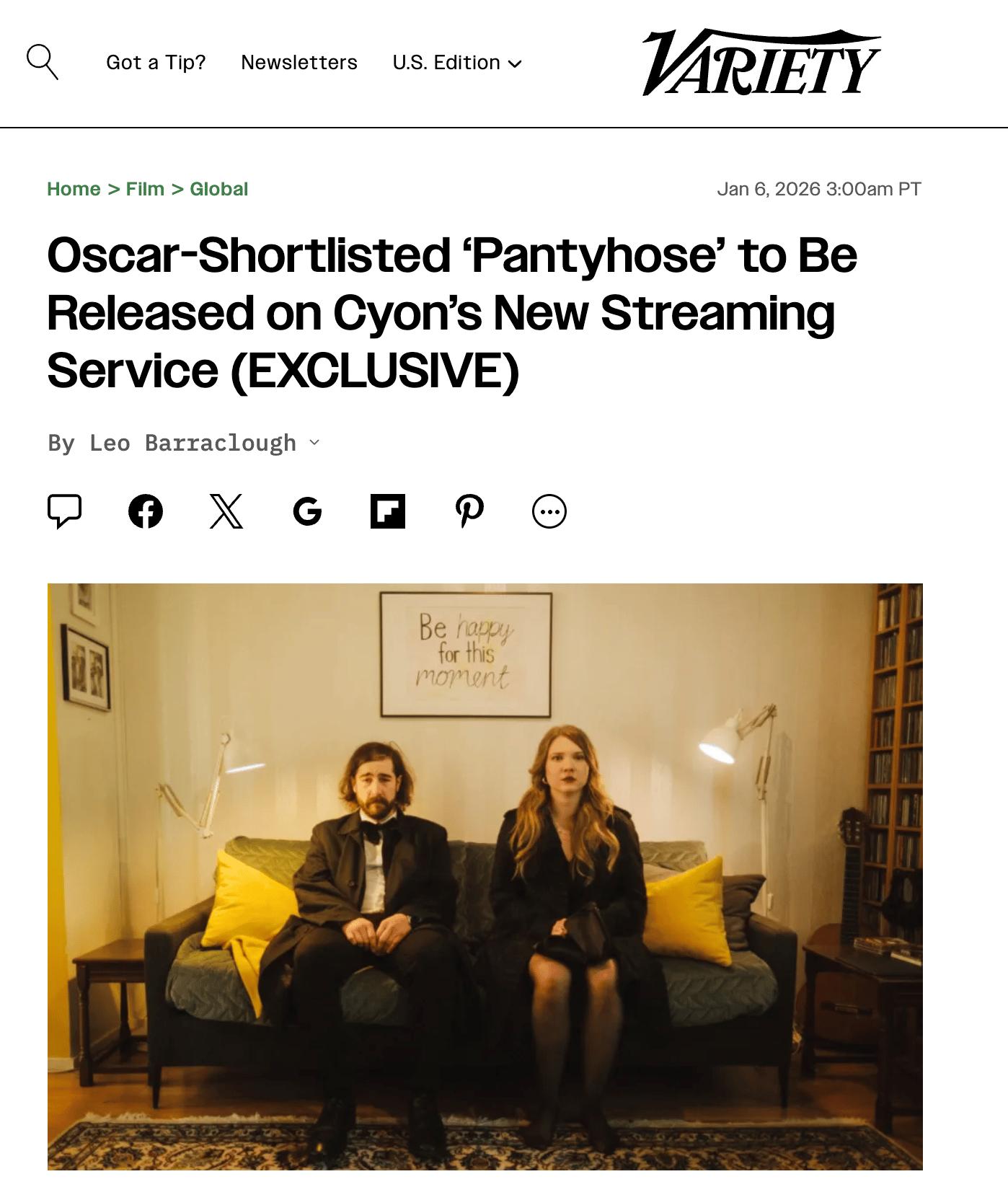
Cyon has already been used for high-profile indie releases, signaling that the model is moving into real-world distribution. For short films and independent features especially, where traditional distribution pathways are narrow and competitive, tokenized streaming offers a parallel route to global audiences without aggregators or middlemen taking the largest cut.
Just like with web3 projects, challenges still exist, but the landscape is shifting quickly. Blockchain tools are becoming far more user-friendly, and much of the technical complexity that once intimidated creators is starting to fade into the background. For many filmmakers and audiences, the technology no longer needs to be fully understood to be meaningfully used — it simply works, like streaming once did. As mainstream viewers grow more comfortable with ideas of digital ownership beyond subscriptions, creator-led systems like Cyon are betting that creators will drive the next wave of adoption, drawn by something the traditional system has rarely offered: lasting control, direct relationships with audiences, and transparent revenue that doesn’t disappear behind closed infrastructure.
Whether film3 becomes a dominant force or a powerful niche, Cyon represents a clear shift in mindset. Distribution is no longer just about where a film streams. It’s about who owns the pipeline, who gets paid, and whether a film can function not only as art, but as an enduring, creator-controlled asset in the digital economy.
For more information on Cyon, please visit and subscribe to their substack right here.
Big thanks to Tracie, Lotta, and the Cyon team for building the kind of tools film3 has been waiting for.
Image Credit Header photo: Mika Ranta / Helsingin Sanomat