
Exploring the great outdoors can be a thrilling adventure for families, but it also comes with its fair share of risks. Whether you're camping, hiking, or simply enjoying nature, being prepared for medical emergencies is crucial. That's where NOLS Wilderness Medicine comes into play. In this blog post, we'll discuss 10 essential wilderness medicine skills that every family member should know to stay safe and sound in the wilderness.
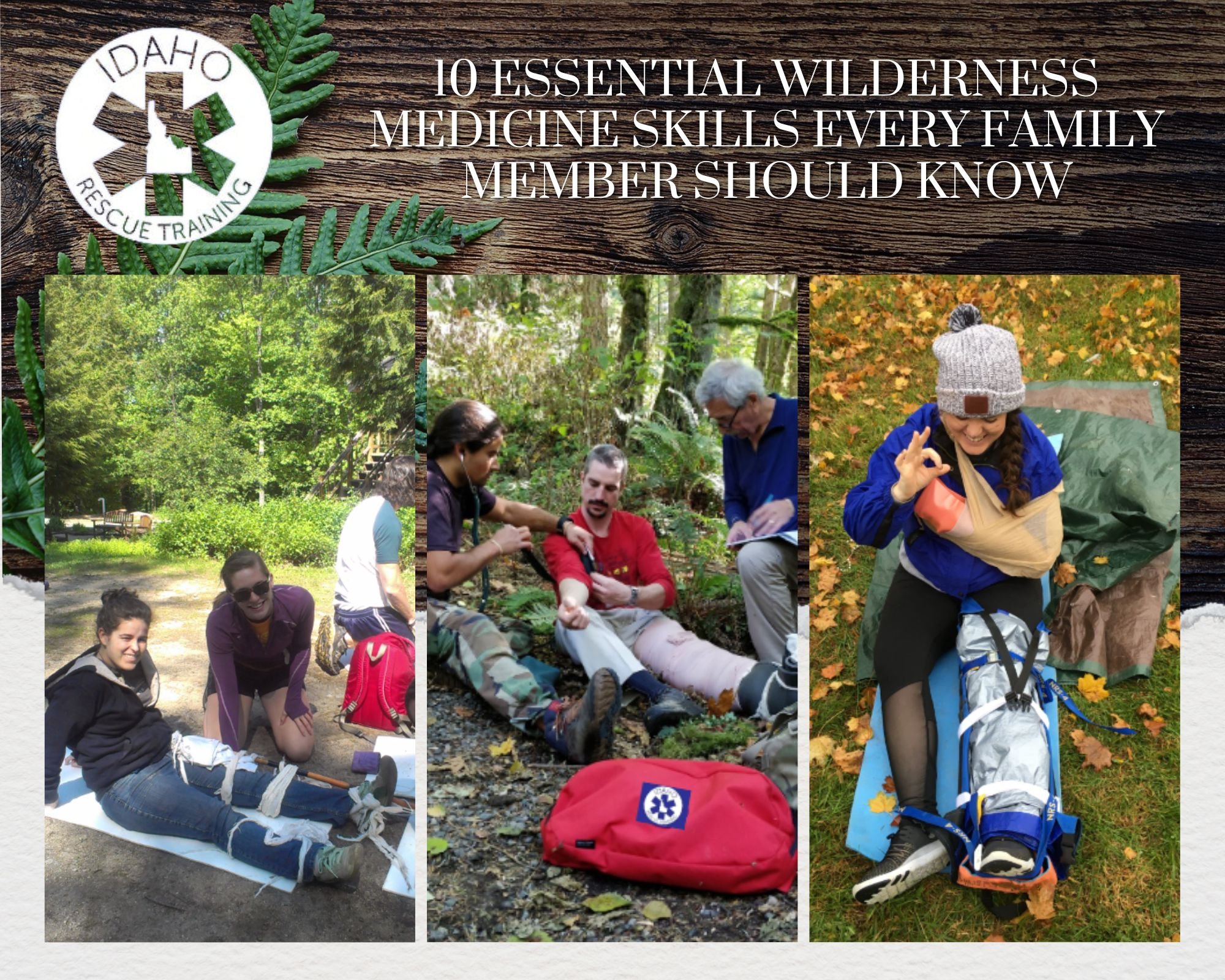
First Aid Basics: Familiarize yourself with basic first aid techniques such as CPR, wound cleaning, and splinting. These skills are invaluable in any emergency situation and can make a big difference while waiting for professional help.
Assessment and Triage: Learn how to assess injuries and prioritize treatment based on severity. This skill is especially important in wilderness settings where resources may be limited.
Bites and Stings Management: Be prepared to handle insect bites, snake bites, and stings from other wildlife. Knowing how to identify venomous creatures and administer appropriate treatment can prevent serious complications.
Hypothermia and Hyperthermia Prevention: Understand the signs and symptoms of both hypothermia and hyperthermia, and know how to prevent and treat them. Dressing in layers, staying hydrated, and seeking shelter from extreme weather are essential strategies.
Water Purification: Knowing how to purify water in the wilderness can prevent waterborne illnesses. Whether it's boiling, using water purification tablets, or employing a portable water filter, make sure you have the necessary tools and knowledge.
Fracture Management: Learn how to stabilize fractures and immobilize injured limbs using improvised splints. This skill can prevent further damage and ease pain until professional medical help arrives.
Wilderness Navigation: Familiarize yourself with basic navigation techniques using a map and compass or GPS device. Getting lost in the wilderness can exacerbate medical emergencies, so being able to find your way is crucial.
Altitude Sickness Awareness: If you're venturing into high-altitude environments, be aware of the symptoms of altitude sickness and know how to prevent and manage it. Gradual acclimatization and staying hydrated are key.
Dehydration Management: Recognize the signs of dehydration and know how to rehydrate effectively. In hot or dry climates, it's easy to become dehydrated quickly, so make sure you're drinking enough fluids and replenishing electrolytes.
Emergency Communication: Ensure that you have a reliable means of communication in case of emergencies. This could be a satellite phone, a personal locator beacon, or a whistle to attract attention. Knowing how to use these devices can expedite rescue efforts.
Incorporating these wilderness medicine skills into your family's outdoor adventures can provide peace of mind and enhance safety. Consider taking a NOLS Wilderness Medicine course to gain hands-on experience and further hone your skills. Remember, preparation is key when venturing into the wilderness, so don't leave home without equipping yourself with the knowledge and tools to handle medical emergencies effectively.
Whether you're embarking on a day hike or a week-long camping trip, being prepared for the unexpected can make all the difference. By mastering these essential wilderness medicine skills, you can ensure that your family stays safe and enjoys all that nature has to offer. So pack your bags, lace up your boots, and get ready for an adventure knowing that you're equipped to handle whatever comes your way.