

ZKCandy, the official gaming infrastructure partner of zkSync, is revolutionizing Web3 gaming with unparalleled speed, cost-efficiency, and seamless user experiences, paving the way for Ethereum’s gaming renaissance.
ZKCandy is the official gaming infrastructure partner of zkSync. It is a joint venture between Matter Labs, the creators of zkSync, and iCandy Interactive, an ASX-listed game developer with 300+ mobile game titles and 400+ million downloads.
LECCA Ventures, alongside other prominent VCs, such as Wemix Pte. Ltd., Animoca Ventures, Spartan Group, and Perlone Capital, participated in ZKCandy’s $4 million private round. Through this investment, LECCA aims to highlight ZKCandy’s potential in reshaping gaming with zero-knowledge proof (ZKP) technology.
The gaming sector has long been recognized as a key catalyst for the mainstream adoption of crypto. Web3 gaming introduces significant advantages over traditional gaming, including:
True Digital Ownership: Players retain verifiable ownership of in-game assets through blockchain technology.
Community-Driven Innovation: Decentralized communities actively contribute to game development and player experiences.
Enhanced Monetization: Play-to-earn mechanics and tokenized economies create new opportunities.
These advantages were increasingly seen as essential amid industry developments, attracting interest from many players. Yet, the market remained skeptical about their real-world implementation. The 2021 Metaverse boom—driven by Facebook’s rebrand to Meta—brought projects like The Sandbox, Axie Infinity, and Decentraland into the spotlight. However, the ensuing crypto winter, intensified by events such as the LUNA crash and FTX collapse, significantly slowed momentum.
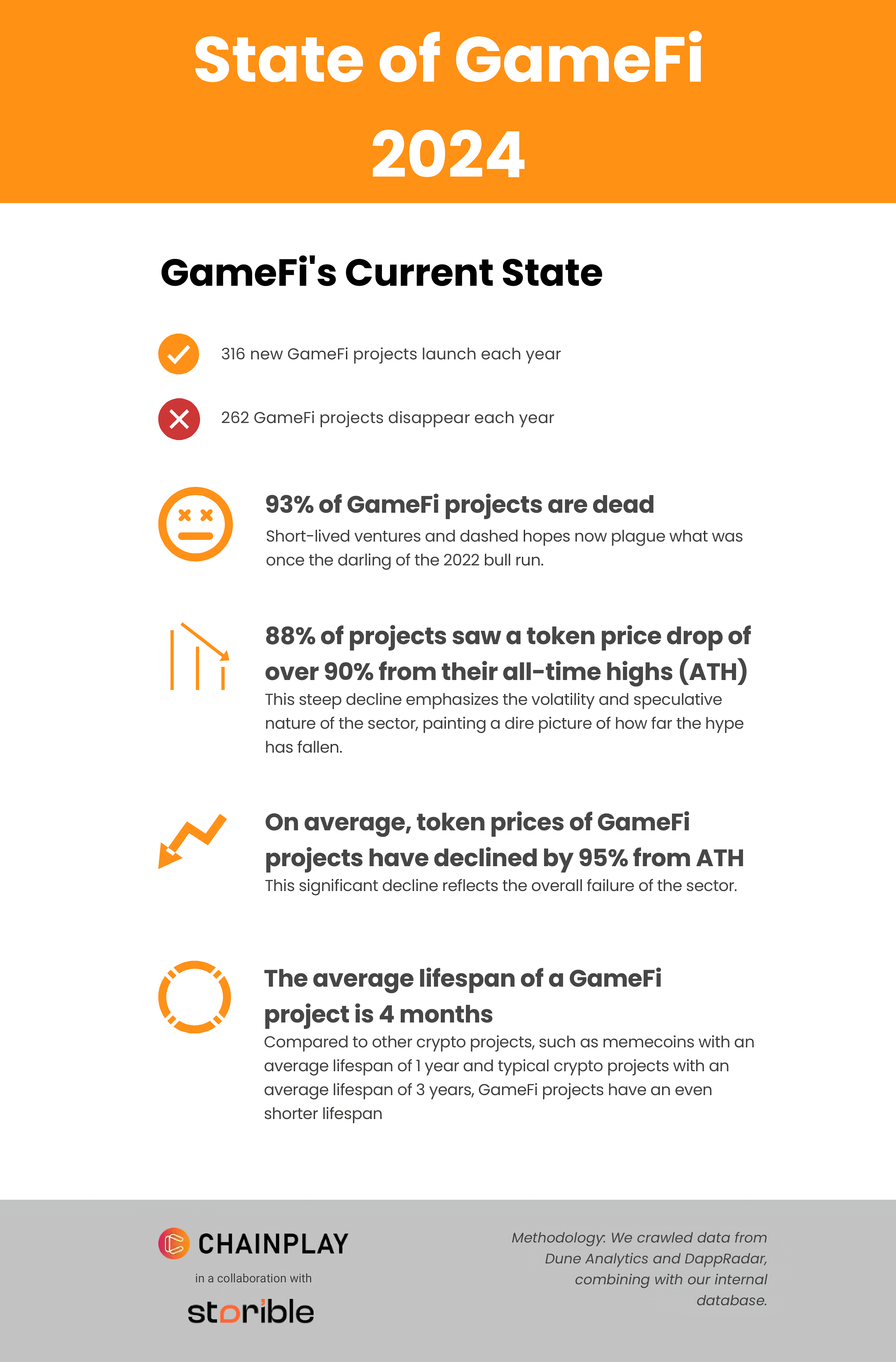
The landscape remained challenging, and the Web3 gaming sector continued to deliver underwhelming results. According to ChainPlay, 93% of GameFi projects were discontinued in 2024, with total investment plummeting to $850 million—a staggering 84.6% drop from the $5.56 billion invested in 2022. This reflects the sector’s struggle to build a strong technological and economic foundation, emphasizing the market’s demand for sustainable business models.

Of course, game companies should focus on making fun games; that’s a given. Yet, Web3 gaming goes beyond entertainment, facing unique challenges in technology, economics, and accessibility. ZKCandy aims to address some of these challenges by leveraging ZkSync’s Elastic Chain and its development framework, ZkStack, to enhance scalability, reduce costs, and improve overall game infrastructure.
1. Technical Issues
Compatibility with mainstream game engines (e.g., Unreal Engine, Unity) and on-chain systems
Handling high traffic without compromising blockchain stability
2. Economic Barriers
High costs of on-chain transactions for asset transfers and in-game interactions
Unsustainable token models, often plagued by inflationary rewards and economic imbalances
3. User Experience
Complexity of crypto wallets and onboarding processes, which can deter non-crypto-native users
zkStack is a comprehensive toolkit that leverages zero-knowledge proofs to create player-centric ecosystems. ZKPs ensure security and privacy while providing players with full sovereignty over their assets and data. This innovative approach addresses key challenges in gaming and introduces transformative solutions to long-standing issues.
1. Item Authentication and Secure Transactions
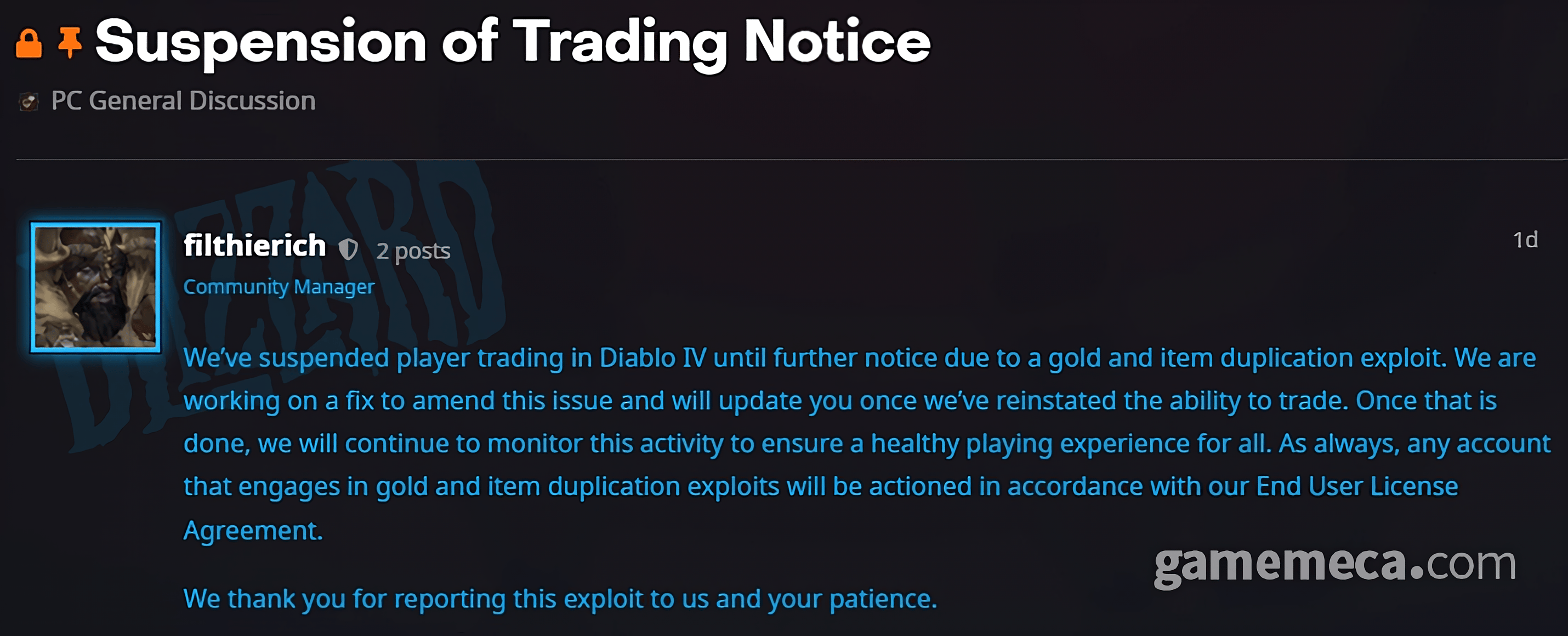
In-game items that are duplicated or illicitly generated can disrupt game economies. In Web3 gaming, where assets represent tangible value, duplicated items not only destroy rarity but also devalue players' holdings. For example, the Diablo 4 item duplication bug led to the suspension of all player trading, highlighting the fragility of game economies without robust security measures.
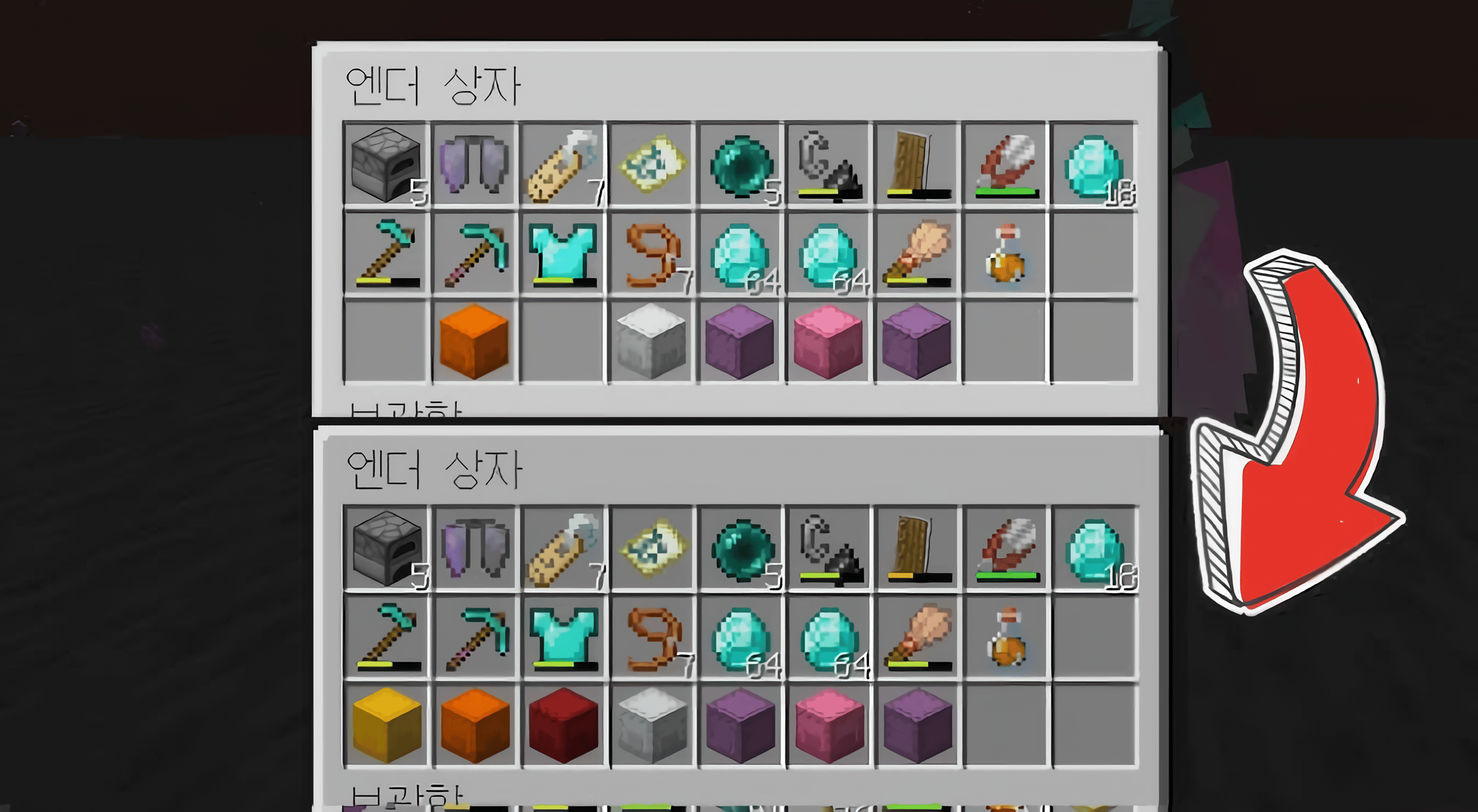
In Korea, the operator of Dungeon and Fighter illicitly created items, embezzling approx. $3 million in the process, demonstrating how unchecked economic abuse erodes player trust and damages ecosystems. There are plenty of other real-world examples including Lineage "super account" controversies, leading to unfair PvP, hindering progression of other players, and causing frustration and loss of experience.
ZKPs offer a solution by enabling secure authentication of in-game assets without exposing sensitive data. By verifying the legitimacy and lifecycle of items, developers can protect game economies while preserving player privacy.
2. Fairness in Random Mechanics

Randomized systems, such as loot boxes and gacha mechanics, are another area prone to scrutiny. The MapleStory probability manipulation scandal, which impacted 800,000 players and resulted in $21.9 million in damages, illustrates the severe consequences of manipulated randomness in gaming.
With ZKPs, developers can cryptographically prove that random outcomes are genuinely fair without revealing internal algorithms. This builds player confidence in the fairness of game mechanics and fosters a more trustworthy gaming environment.
ZKPs not only prevent economic abuse and ensure fairness but also enhance scalability and cost-efficiency when combined with zkRollups. zkRollups reduce transaction costs by offloading operations to Layer 2 (L2) solutions while maintaining Layer 1 (L1) security. This ensures smooth gameplay, even during peak activity periods, and addresses key issues like network congestion and high transaction fees.
By addressing challenges in fairness, scalability, and economic exploitation, ZKPs and zkRollups set the foundation for a sustainable Web3 gaming ecosystem, empowering players while fostering trust in decentralized systems.
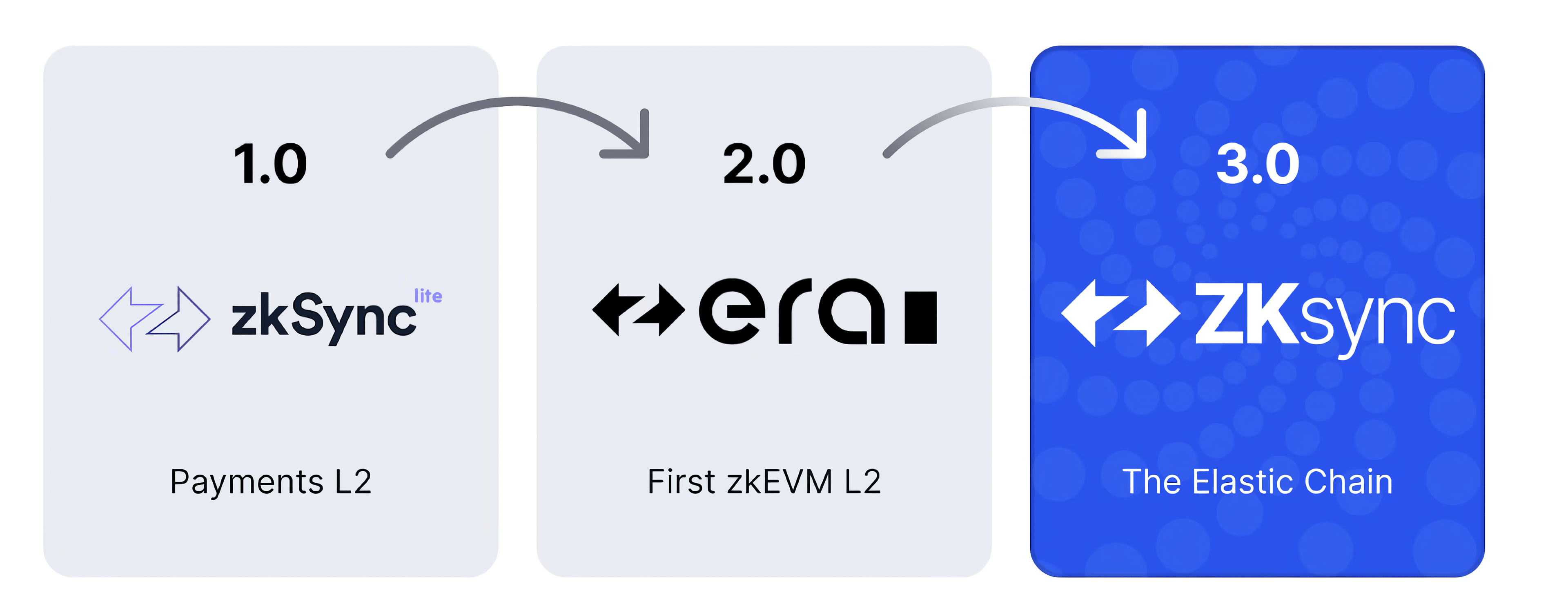
Elastic Chain, zkSync’s native interoperability layer, is designed to overcome critical barriers in Web3 gaming. By addressing liquidity, scalability, and user accessibility, Elastic Chain provides a foundation for creating efficient and interconnected gaming ecosystems.
Shared Liquidity: ZK chains within the network can ensure liquidity across multiple chains without introducing additional trust assumptions. Users and assets are not restricted to a single chain, allowing liquidity to flow seamlessly across ecosystems. It also enables trustless mechanics in MMO games and gacha systems.
Composable Applications: Smart contracts on one chain can seamlessly interact with contracts on other chains. Elastic Chain simplifies the development of diverse decentralized applications(DApps), while streamlining complex functions such as in-game asset transfers, cross-chain transactions, and interoperability. It also enhances compatibility with Web2 game engines (Unreal Engine, Unity), lowering the barrier to Web3 game development
Unified User Experience: Users can conduct cross-chain transactions with a single wallet verification, thus enjoying a streamlined and cost-efficient process. Elastic Chain reduces entry barriers for Web2 users by enabling seamless access to Web3 games without complex onboarding, and it helps overcome Web3’s UX challenges by supporting faster, cheaper transactions, accelerating mainstream adoption of Web3 gaming.
Elastic Chain's advantages address key technical challenges and significantly improve the accessibility and adoption of Web3 gaming. Yet, certain broader issues remain:
Sustainability of Tokenomics: Elastic Chain reduces costs and improves economic efficiency, but sustainable in-game economies depend on well-designed token models to address inflation and imbalances long-term.
Mass Adoption of Web2 Users: While Elastic Chain lowers entry barriers, fully onboarding Web2 users into Web3 requires more than just technical improvements. UX enhancements, user education, and a seamless transition process remain critical factors in ensuring Web2 players can comfortably adapt to the Web3 ecosystem.

Even with advanced technologies like Elastic Chain, the ultimate success of any game depends on its ability to entertain. Players will ultimately gravitate toward platforms or games that offer better economic incentives—even if it means tolerating some inconvenience. To retain users, games must deliver a compelling "hook"—and in gaming, that hook is, without a doubt, fun.
The developer behind ZKCandy, iCandy Interactive, has the capability to create engaging gameplay in-house, rather than relying on external studios. As one of the largest game developers in Southeast Asia and Oceania, iCandy is listed on the Australian Securities Exchange and boasts a proven track record of success, including:
Over 300 games developed and 400 million downloads worldwide
More than 650 full-time employees
Strong pipeline of over 25 games, including Tier-1 Hollywood IPs, already in development for blockchain gaming
Notably, ZKCandy is developing a Telegram-based EVM gaming ecosystem. This platform has the potential to onboard Web2 users naturally into Web3 environments by combining scalability, affordability, and engaging gameplay. Given iCandy's expertise, ZKCandy ensures that fun remains at the center of its offerings while integrating advanced blockchain technology.
Web3 gaming holds immense potential with its unique advantages, including true digital ownership, community-driven innovation, and enhanced monetization. However, the industry has faced significant setbacks due to technical limitations, poor user experiences, and a lack of compelling gameplay. As a result, 93% of GameFi projects were discontinued by 2024, underscoring the urgent need for sustainable business models. Nevertheless, the success of Tab2Earn projects like Hamster Kombat on TON shows that Web3 gaming can attract massive Web2 user inflows.
Leveraging iCandy Interactive's game development expertise and the cutting-edge technologies of zkSync, ZKCandy can improve data security and transparency, while also enabling the creation of user-focused economic models. Elastic Chain also enables ZKCandy to handle high traffic volumes and provide seamless user experiences. As the first Telegram-based EVM gaming platform, ZKCandy has the potential to bring massive users into Web3 and create a scalable, sustainable ecosystem.
LECCA Ventures supports ZKCandy’s vision and potential. By combining advanced technology with the core element of fun, ZKCandy is poised to lead the future of Web3 gaming.
About ZKCandy
Website: https://zkcandy.io/
Twitter: https://x.com/ZKcandyHQ
Docs SDK: https://docs.zkcandyapi.com/
Disclaimer: This content is for information purposes only. The information and opinions contained in this post has been obtained from sources believed to be reliable, but LECCA Ventures makes no representation or warranty as to its adequacy, completeness, accuracy or timeliness for any particular purpose. It does not constitute investment advice or a recommendation or solicitation to buy or sell any investment and should not be used in the evaluation of the merits of making any investment decision. The information and opinions are subject to change without notice.
References
State of GameFi 2024 https://chainplay.gg/blog/state-gamefi-2024/
Ethresear.ch - Snark and p2e https://ethresear.ch/t/completely-recursive-snark-circuit-the-savior-of-play-to-earn/18439
ZKSync Elastic Chain https://zksync.mirror.xyz/BqdsMuLluf6AlWBgWOKoa587eQcFZq20zTf7dYblxsU https://zkcandy.medium.com/zkcandy-hyperscaling-web-3-entertainment-with-icandy-interactive-and-zksync-677077681815
ZK Snark Circuits https://jtriley.substack.com/p/constructing-zk-snark-circuits
Dark Forest https://blog.zkga.me/intro-to-zksnarks
Galaxy Digital Web3 history https://www.galaxy.com/insights/research/history-of-gaming-and-web3-future/
Wow Gold Inflation https://esports.gg/news/world-of-warcraft/wow-token-prices-spark-inflation-worries-in-wow-after-massive-gold-making-exploit/
Beam’s Intgerop https://medium.com/@onbeam/merit-circle-on-the-web3-gaming-revolution-the-game-changing-power-of-interoperability-648d0fd7b9ce