


If you have been watching Bitcoin charts over the last few days, it probably felt like a rollercoaster ride. We saw massive green candles, heavy buying volume, and a breakout that caught plenty of traders off guard. You can see it in the image below.
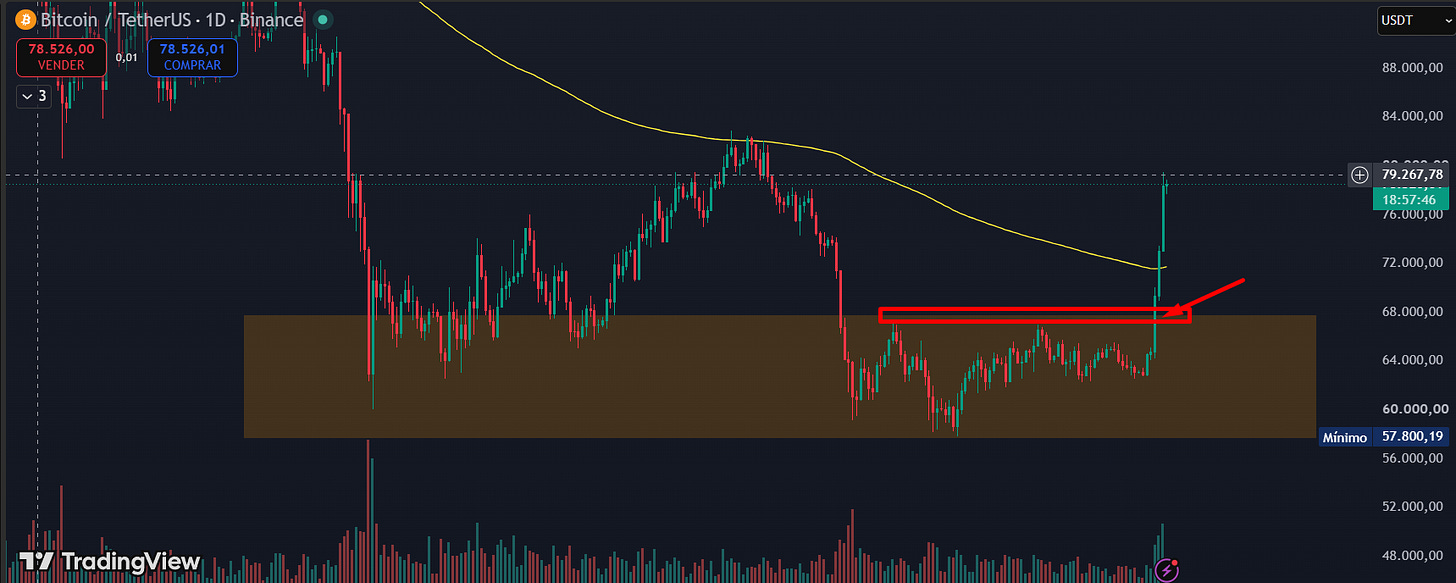
Let us be clear: this was not magic or luck.
Markets do not move without a reason. Behind this surge lies a clear alignment of macroeconomic shifts, political announcements, and raw market mechanics. If you want to understand how institutional money is positioning itself, here is what is actually going on.
Liquidity taps open: The US Treasury's strategic move
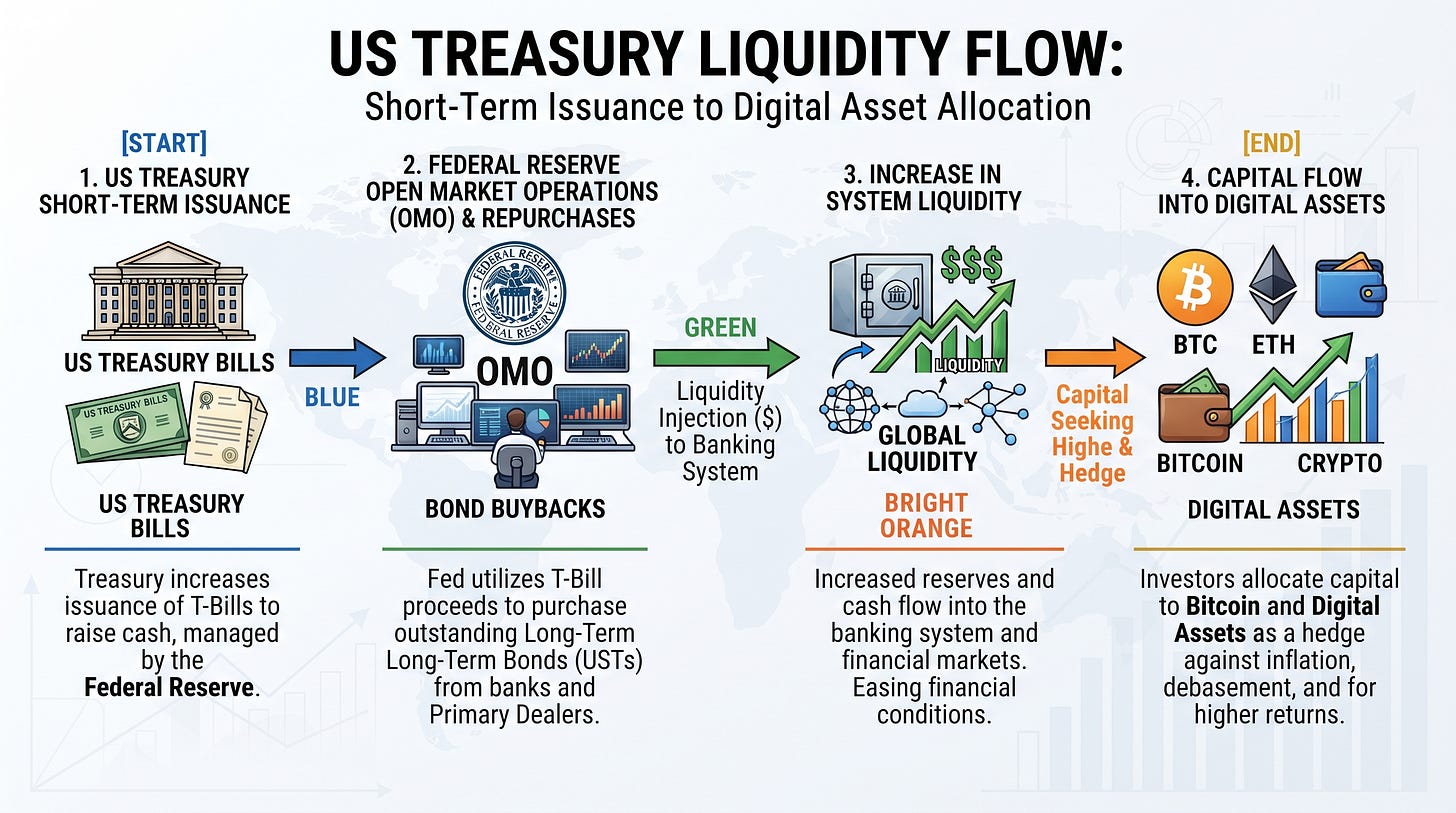
To understand Bitcoin right now, look at liquidity sources. The real engine driving this move started at the United States Treasury.
Think of the financial system as a swimming pool. The Treasury outlined a strategy of issuing short-term debt to raise quick cash while using those funds to buy back long-term government bonds.
What does this actually mean? They are injecting fresh liquidity directly into the system, filling up that pool. When more dollars circulate in the economy, major capital allocators anticipate currency debasement over time. To protect capital, investors allocate into assets with fixed or capped supply. In that arena, Bitcoin remains prime real estate.
The Donald Trump effect and the new policy landscape
Political tailwinds added momentum to that liquidity push. A press conference from Donald Trump lasting over an hour delivered three distinct policy signals for crypto markets:
-
Pushback on CBDCs: Reiterated firm opposition to government-controlled Central Bank Digital Currencies.
-
A Strategic Bitcoin Reserve: Confirmed proposals for the United States to build a national Bitcoin reserve, including seized asset holdings.
-
Clarity for DeFi innovation: Discussed regulating perpetual contracts through the CFTC while highlighting ecosystems such as Hyperliquid.
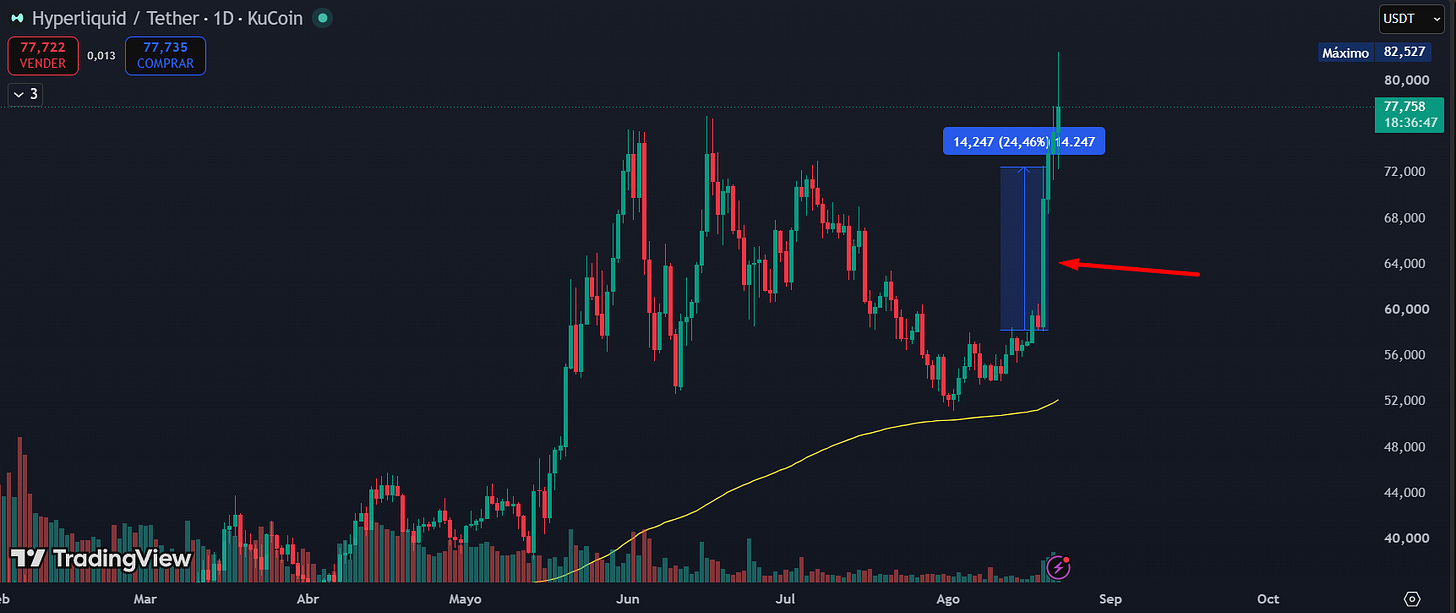
As shown in the image above, market reaction was immediate. Infrastructure-linked tokens like $HYPE jumped over 11% shortly after. When regulatory sentiment shifts from friction to a clear framework, capital moves quickly.
The short liquidation cascade: How liquidity traps trigger rallies
News is only half the picture; technical structure explains the speed. Why did prices push higher so rapidly? A classic short squeeze cascade.
As initial headline momentum pushed Bitcoin up, price entered dense short interest zones where stop-loss orders were stacked.
When short positions get forced out or liquidated, market mechanisms trigger forced market buy orders to close those positions. Thousands of short sellers suddenly became buyers at the same moment, accelerating the upward move.
Where does the market stand now?
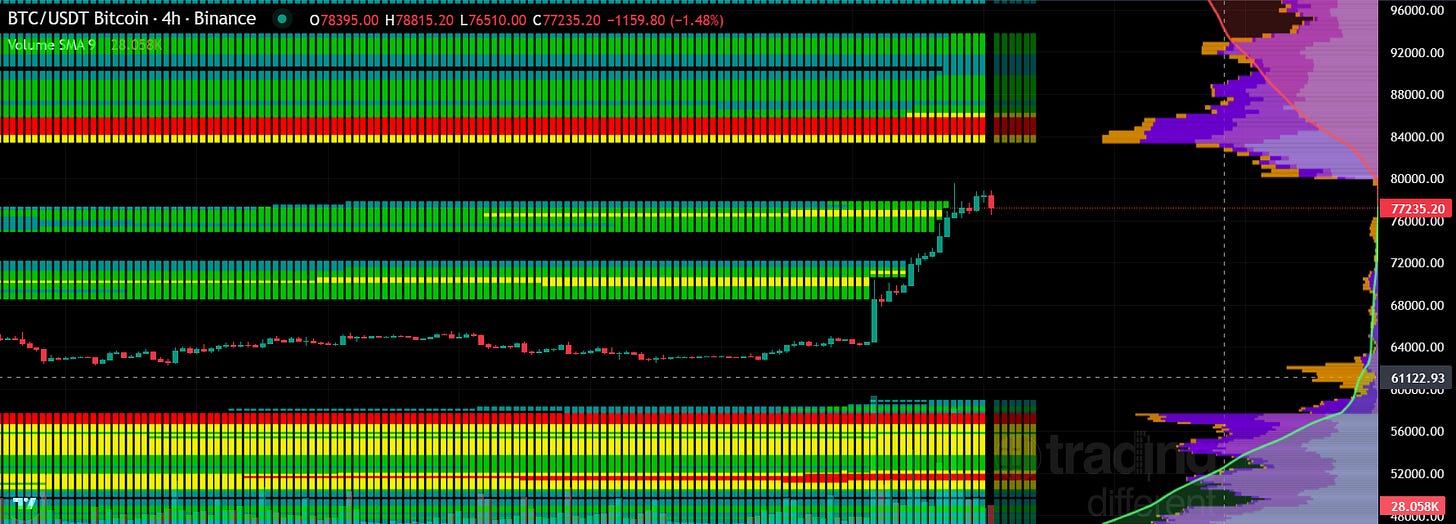
Immediate overhead liquidity was swept. Looking at current heatmap data, price action has two key focus areas:
-
Above current levels, the $70,000 region stands out as a major target zone.
-
Below, liquidity support sits near $62,000 , where buyers are likely to look for re-entry if a pullback materializes.
A disciplined execution plan for volatile markets
During sharp market expansions, emotional trading gets punished. Structured execution requires a clear framework:
-
Lock in gains: If you caught the lower entries and hold leveraged positions in significant profit, take partial profit. Managing risk early protects your capital balance.
-
Automate range strategy with grid bots: If you prefer systematic execution over manual chart monitoring, automation works well. Setting up a Spot Grid Bot on major platforms like Binance or OKX across a wider price band allows you to systematically accumulate dips and sell rallies without liquidation risk.
-
Balance volatile exposure with yield allocation: Managing constant volatility can be exhausting. Allocating a portion of capital into insured crowdlending or yield mechanisms (such as SME or mining infrastructure loans) offers steady cashflow near 20% annual yields in USD, independent of short-term market headlines.
This market cycle is still developing. Tracking macro liquidity shifts, analyzing order book structure, and automating trade execution is what separates disciplined market participants from pure speculation.