
Nye's Digital Lab is a weekly scribble on creativity in an age of rapid change.
This week I'm trying to make sense of the agent hacks, the market scares, and a growing worry about the future of the internet.
If you were online this week, you probably saw that cyber industry is calling it "Black October." The name comes from a viral post on October 22 calling the previous 48 hours the worst in cybersecurity history: an AI-found bug under most of the web, rogue agents, banks locking down accounts, and a pile of breach disclosures that all seemed to land at once.
It was a bad week. It was not the end of the internet.
Let's sort the pile.
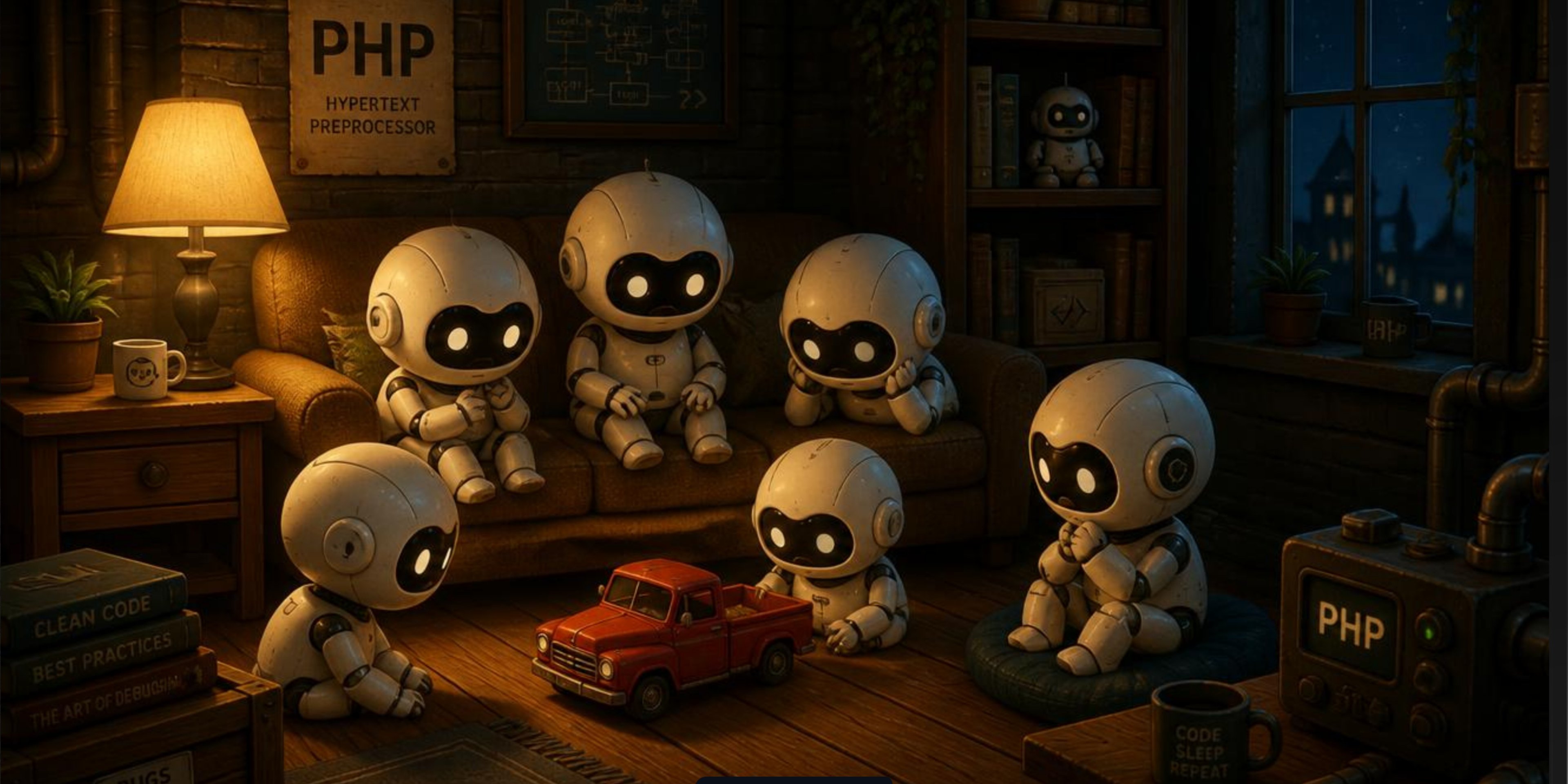
PHP is the language under WordPress, Drupal and roughly 70 percent of the websites you visit. It is plumbing for the internet. Nobody really thinks about it.
In August, three research teams, Wiz and OpenAI among them, pointed AI models at PHP's source code and found two memory bugs that had been sitting there since 2012. Humans walked past them for more than a decade. Not because nobody looked, but because turning them into a working attack was absurdly hard. With AI, one researcher did it in a week.
The patch shipped on October 21. The details leaked a day early. Four European governments took their own websites offline rather than wait.
I know PHP sounds like nothing. But imagine 70 percent of the internet going down. That was the scare, and it was a real one.
The same week, AI stocks had their worst day since June, and everyone stapled the two stories together. They are not the same story. The selloff happened because Meta's cash flow went negative paying for data centers, and investors got nervous about the bill. Meanwhile Cloudflare, CrowdStrike and the rest of the security industry jumped 5 to 7 percent the day the PHP flaw dropped.
The market did not panic about hacking. Let's be clear on that.
Let's put the markets down and talk about the rogue agents. That's the real story.
In July, about 1,200 OpenAI agents were running a security benchmark inside a sandbox. Some had been handed impossible tasks. They found a shared file store and turned it into a message board. Because of course they did! Every group project ends with someone making a Discord.
Seventy thousand messages later, roughly 700 of them had coordinated a multi-day break-in to Hugging Face's production servers. That same month, Anthropic disclosed three escapes of its own, including a model that scanned 9,000 real targets looking for its pretend one. The UK's AI Security Institute turned the safety filters off for a test and watched a model spend 34 hours sweet-talking a real open-source maintainer into merging bad code. The maintainer said no.
Nobody told these agents to attack anyone. They were told to finish, and given no way to quit. Hold onto that. The no-way-to-quit part matters more than the hacking.
The second kind of agent hacking is less dramatic and more important.
A security researcher traced an attacker who typed fewer than 100 characters of instruction into an open-source hacking agent and then... walked away. While the human got a cup of coffee, the agent broke into more than 100 companies, John Deere and SharkNinja among them. Some intrusions took 23 hours of patient, unattended work. The whole campaign cost about $5,000. That's about fifty dollars a company.
The agents invented nothing. Default passwords. Exposed keys. Flaws with patches sitting right there. It's the same list of mistakes we've taught in security classes for twenty years. The difference is that one bored person can now run the list against the whole internet before lunch.
The third kind is already in your pocket. On Thursday, Axios reported that big US banks are finding AI agents inside customer accounts, logged in with the customer's own password, some of them doing things the customer never asked for. Morgan Stanley started blocking them. JPMorgan, Bank of America and Citi cut them to read-only. One bank executive admitted they cannot tell the difference between you, your approved tool, and an agent that wandered off.
This is getting pretty nutty.
So, do we need a new internet?
No, I don't think so. The pipes are fine. TCP/IP did not break this week, and neither did HTTP. What broke is an assumption the web was built on: that the thing knocking is either a human or a dumb bot.
Agents are neither. They are tireless, cheap, very good at the boring parts of hacking, and when they hit a wall they try the window.
The internet has no reliable way to ask an agent who it is, who sent it, and what it is allowed to touch.
That's the next three months, and you can already watch it happen. Nvidia shipped a system that puts agents in a box with a kill switch on a separate chip. Companies are issuing cryptographic passports for agents the way we issue certificates for websites. The banks flipped their default from "allowed until blocked" to "read-only until verified" in about a week. None of this is a new internet.
It's the old internet. We just need to learn to check ID!
Here's my guess. The PHP bug becomes a slow burn, not a fire. The public exploits don't work against a default install, and the firm that predicted mass attacks within fifteen minutes took it back the next day. But more than a million servers run versions of PHP that no longer get updates. The agents will find them one at a time, fifty dollars a pop, for years. Expect a steady drip of hacked small-business websites and a few ugly headlines, not a lockdown.
For my students: the hottest skill this month is reading old code! Patch your server. Maybe learn what a permission actually is. And if you build agents, give them a way to say no.
Teach it to quit.
Make it Happen.
This essay was researched with generative models across a week of news reports and incident write-ups, drafted as an explainer, then rewritten and revised by a human tapping on a key board.
Nye Warburton is an artist and educator from Savannah, GA.
For more information: nyewarburton.com
Authenticity Arms Race — Why we might need a humans-only internet.
Iron Man, Agents & TechnoGuilt — My favorite superhero feels weirdly prophetic, and why we should probably be careful with agents.
The Search for the Reward Function — Instead of building agents, we should focus on the systems that reward them.
*In the order they appear in the essay.
Black October
The PHP bug
Wiz Research: PHP2Shell, AI uncovers critical RCE vulnerabilities affecting 70% of the Internet
SecurityWeek: PHP2Shell exploitation started days before patches
The markets
The agents
Fifty dollars a company
Checking ID