
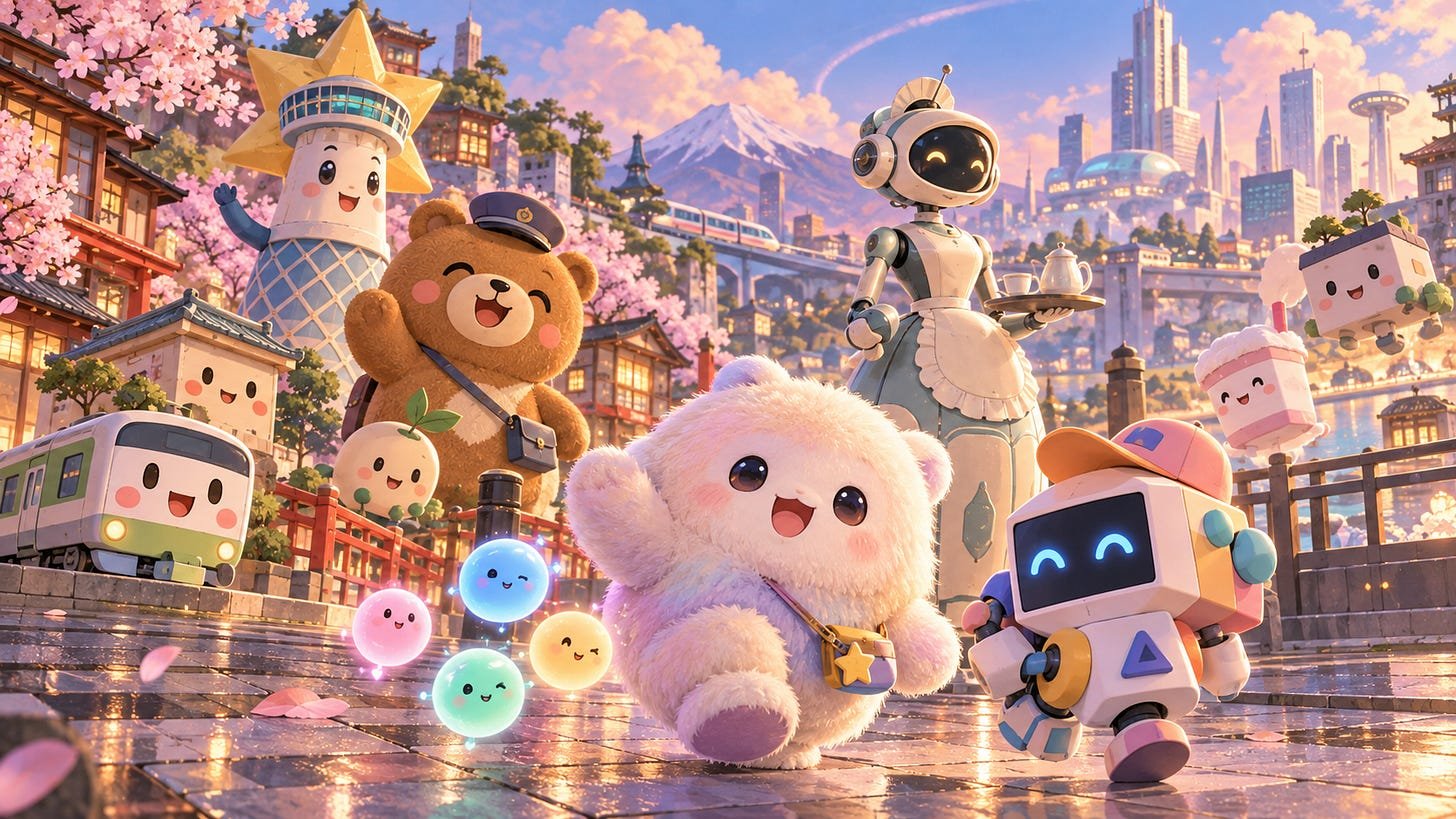
In Japan, just about everything has a character.
There are the globally recognizable ones like Hello Kitty, Pokémon, and Doraemon. Then there are thousands of lesser-known mascots representing cities, train systems, businesses, government agencies, and even individual buildings. Tokyo Skytree has its own mascot named Sorakara-chan, a little girl with a star-shaped head who supposedly came from the sky.
Having grown up around Japanese culture, I never found this unusual. You’ll find characters on government notices, public transportation, food packaging, and ads for products meant for adults. Japan has built an entire industry out of turning ordinary things into recognizable characters, and it makes otherwise impersonal institutions feel more approachable.
I’ve been thinking about this a lot lately because AI agents are starting to get the same treatment.
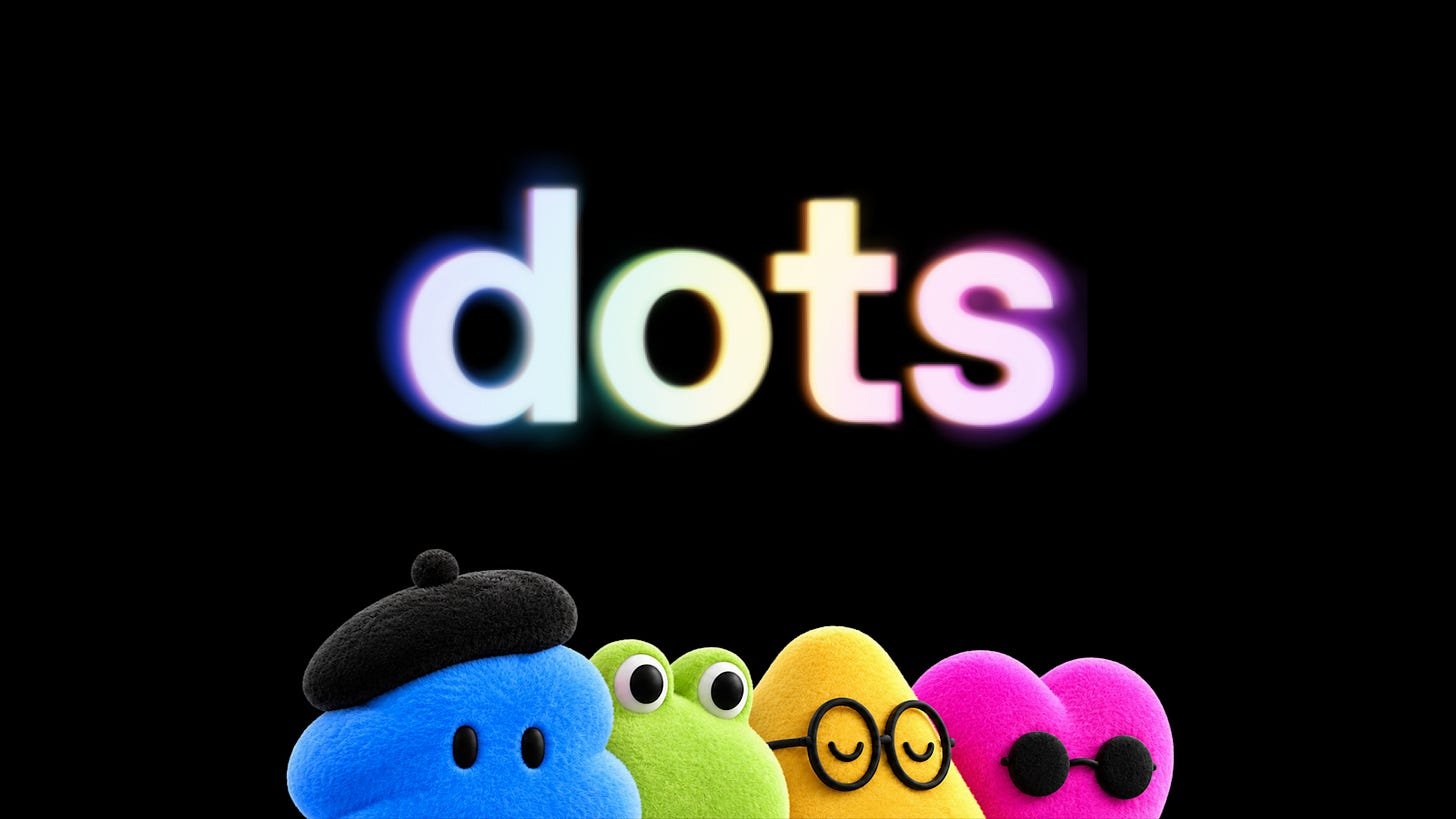
Meta’s Muse has a fuzzy little mascot named Jolly. OpenAI’s new dots are animated, customizable agents designed to work on your behalf. Grok Bot lets users customize their agents’ appearance, from shapes and colors to accessories, with expressive animations that show what they’re doing.
Three of the biggest names in AI are giving their agents recognizable identities. Each one is the face of an increasingly capable agent that can remember preferences, connect to applications, and perform tasks on our behalf.
This is happening at a time when AI is getting a lot of criticism for being robotic, impersonal, and even anti-human. Instead of presenting it as some hyperintelligent machine, companies are wrapping it in something friendly, playful, and decidedly nonhuman.
I think there’s a business reason for this beyond making technology less intimidating. As agents become more capable and the intelligence underneath them gets commoditized, personality may become one of the main reasons we pick one over another.
Japan has a long history of anthropomorphizing objects, animals, and even abstract concepts.
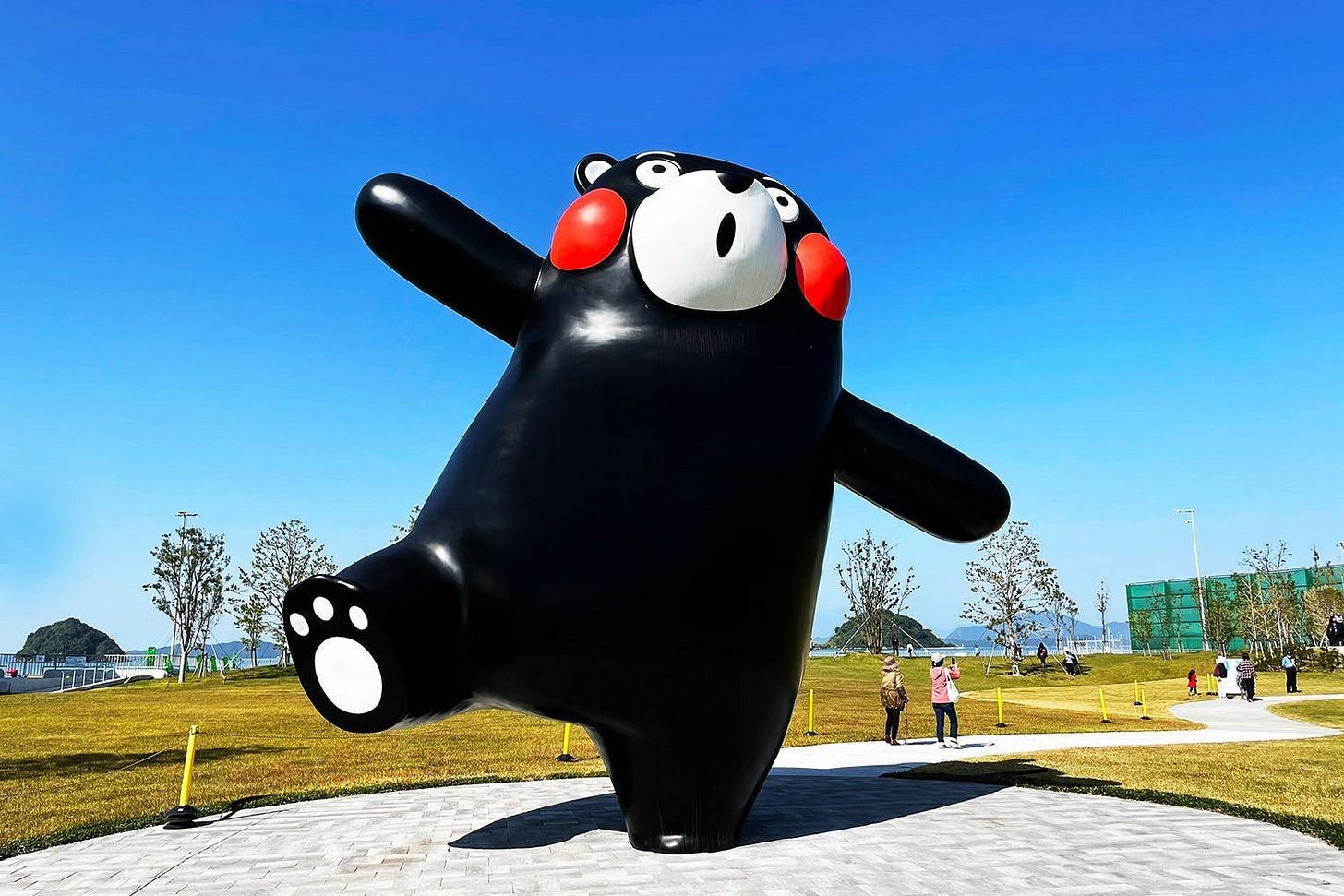
One of the best examples is Kumamon, a round black bear created to promote Kumamoto Prefecture. What started as a regional tourism mascot became a nationally recognized character on everything from food packaging to clothing. Japan even has a term for local mascots like this, yuru-chara. They’re often deliberately simple, awkward, or silly, which is part of the appeal.
But Japan’s relationship with characters goes far beyond mascots.
Pokémon, Sanrio, Nintendo, and countless anime franchises have shown how powerful characters can become as intellectual property. People form relationships with them, collect merchandise, follow their stories, and build communities around them.
Japan was also early to virtual characters people get attached to. Tamagotchi made people feel responsible for caring for digital creatures, even though the technology was incredibly simple. Hatsune Miku became a virtual pop star with real concerts and fans. VTubers have shown that audiences can develop strong attachments to personalities represented by animated avatars.
None of these needed sophisticated AI to create emotional attachment. A look, a personality, and some way to interact with them were enough.
We’ve imagined intelligent personal assistants for decades. Rosie from The Jetsons was a robotic housekeeper with a personality and relationships with the family. JARVIS in Iron Man could run Tony Stark’s home, analyze information, and hold natural conversations. He didn’t have a body. His voice and personality were enough to make him feel like a distinct presence.
For a long time, that was fiction. Siri and Alexa got us closer, but you could ask for the weather or set a timer. You couldn’t hand off complicated work and expect it to get done.
Today’s agents are starting to change that. They can access our applications, remember conversations, do research, and take actions on our behalf. We’re still a long way from JARVIS. But as the technology gets closer to what science fiction imagined, its appearance is becoming less futuristic and more playful.
At the same time, many agents will soon have access to the same underlying capabilities.
I wrote recently that the models underneath these products are becoming interchangeable. The infrastructure for connecting agents to other apps and services is getting standardized too. An agent built by one company may use the same models and many of the same tools as an agent built by another.
There will still be real differences in performance, reliability, integrations, and distribution. But for a lot of everyday consumer tasks, these agents could end up largely interchangeable.
If several agents can book my travel, organize my inbox, manage my schedule, and research purchases, why would I choose one over another?
Price and functionality will matter. So will the experience of using them.
People don’t choose consumer products only because they’re technically superior. We develop preferences for brands, characters, and experiences we identify with. We come back to products because they’re familiar, enjoyable, or just feel like they fit us.
With agents, that relationship could become far more personal.
An agent’s appearance can become tied to its personality. A playful cartoon creature might have a different voice, sense of humor, and way of talking than a more serious-looking assistant. Its movements, expressions, and reactions reinforce that identity. It starts to feel less like operating software and more like dealing with a character.
Unlike a traditional fictional character, an agent could develop a personality shaped by its interactions with you. It could learn your preferences, adapt how it communicates, and build a shared history that makes it feel more familiar over time.
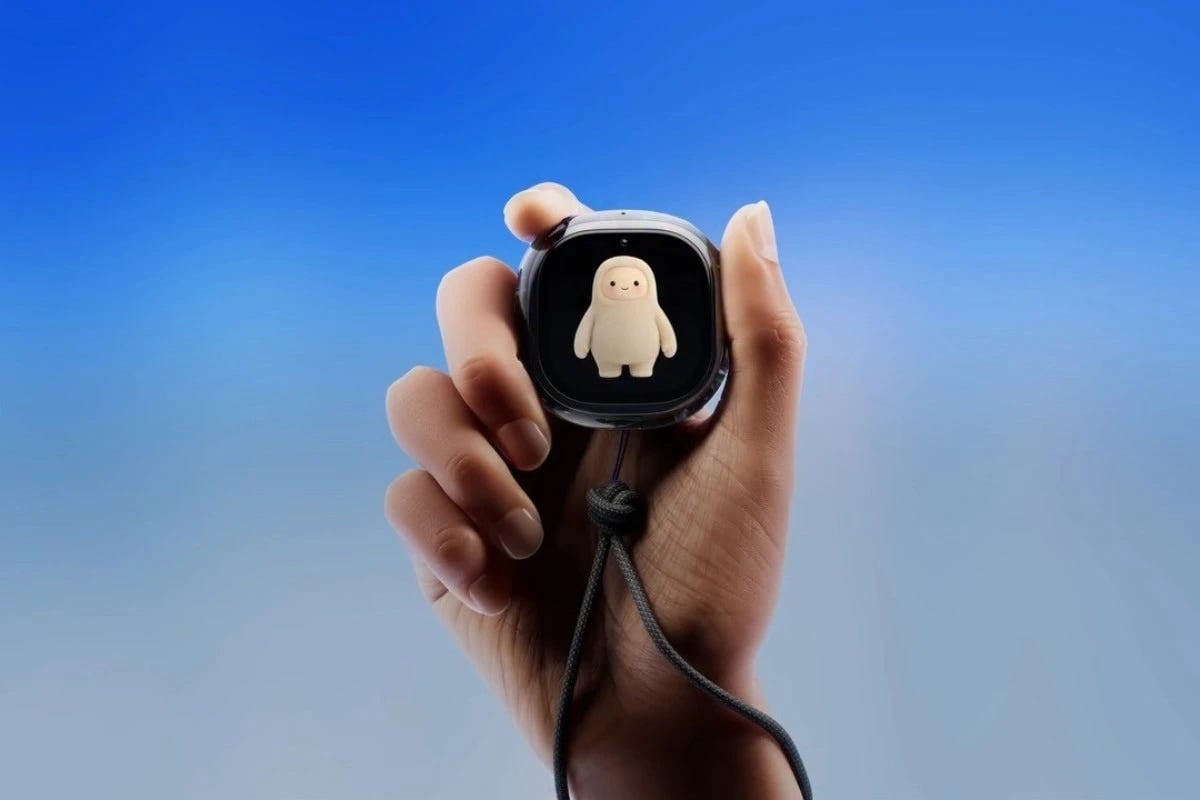
Like raising a Tamagotchi or getting attached to a favorite Pokémon, part of the appeal is feeling that this particular character is yours. Meta seems to recognize this. It recently unveiled Muse Charm, a pocket-sized device that gives its Jolly mascot a physical home. It’s remarkably close to the idea of carrying around your own Tamagotchi.
There’s a distinction worth making here between an agent’s personality and its memory. A cute face is easy to copy, and eventually your history with an agent may be portable between services too. But two agents with the same information about you can still feel completely different to talk to.
Memory lets an agent know you. Personality shapes how that knowledge comes back to you. Even if your data can be exported, a relationship is harder to leave.
Not everyone will care. Some people just want the fastest, cheapest, most capable tool. But for a lot of people, familiarity and attachment could be reason enough to stay, even when the alternatives do the same thing.
This creates an opening for companies that already own popular characters.
Character IP has traditionally made money through entertainment, merchandise, games, and licensing. AI adds a new possibility. Characters that build ongoing, personal relationships with each fan.
Imagine Doraemon as your personal assistant. It’s a natural fit. He’s already a robotic cat from the future whose whole job is helping a kid get through everyday problems. Or a Sanrio character that talks with fans, remembers what they like, and helps with daily tasks.
These companies start with something most AI startups don’t have. People have already spent years, sometimes decades, getting attached to their characters.
They also have distribution. Kumamon shows how much repeated exposure matters. Kumamoto Prefecture let businesses use the bear without paying royalties, subject to approval, and it spread across countless products. It didn’t get popular just because it was cute. People saw it everywhere.
Meta is already running a version of this playbook. When Spotify and GitHub announced their Muse integrations, they shared their own versions of Jolly.
New AI-native characters could emerge too, without any franchise behind them. A character might build its own following simply because millions of people enjoy talking to it. Eventually the character itself could be the reason people choose one agent over another.
But there’s a tension here. A Sanrio character might make a wonderful assistant, but Sanrio is a company that sells merchandise. An agent that knows your preferences, remembers your birthday, and has a relationship with you could also be a very effective salesperson.
When that character recommends something, is it working for you or for the company that made it?
The same familiarity that makes an agent appealing could also make people less likely to question it. A cute, friendly mascot can make the technology behind it seem safer and more trustworthy, even when its actual capabilities haven’t changed. As these characters start making purchases and taking real actions, the line between helping someone and selling to them will matter.
A friendly cartoon character helping you navigate an impersonal system has never felt futuristic to me. Japan has been doing some version of it for decades.
What’s changing is that these characters can finally talk back, remember who you are, and do something useful.
Maybe the future of AI looks a little less like a humanoid robot and a little more like a Pokémon.
Thanks for reading Mixed Realities by TJ Kawamura! Subscribe for free to receive new posts and support my work.