
The Web3 landscape is no stranger to periods of intense volatility. What some perceive as a deterrent, others—like the insightful Grider—identify as the very crucible where the industry’s most significant opportunities are forged. This perspective isn't merely optimistic; it’s rooted in a fundamental understanding of innovation cycles, where the speculative froth recedes, making way for builders to focus on foundational technologies, robust infrastructure, and sustainable value. It’s during these uncomfortable stretches that true resilience is tested, and groundbreaking projects, like DO Network, demonstrate their long-term vision and technical prowess.
History consistently shows that transformative technologies emerge stronger from periods of economic contraction or market downturns. The internet boom and bust of the early 2000s, for instance, culled unsustainable ventures, yet paved the way for the internet giants we know today. Similarly, the current climate in Web3, while challenging, is forcing a vital shift from ephemeral hype to concrete utility. This environment fosters a disciplined approach to development, prioritizing secure, scalable, and decentralized solutions that address real-world problems. Projects that can not only survive but thrive in this atmosphere are often those with a deep technical foundation and a clear, long-term roadmap—precisely what the DO whitepaper outlines.
The argument put forth by figures like Grider is compelling: market downturns act as a powerful filter, sifting out projects built on weak foundations or speculative narratives. This pruning process is essential for the long-term health of any nascent industry. Without the distraction of overnight riches, the focus invariably shifts back to core development, engineering excellence, and the painstaking work of building genuinely useful applications. This is when developers can concentrate on solving complex technical challenges without undue pressure from market sentiment, laying down the infrastructure for the next wave of adoption.
The current climate encourages a recalibration of priorities, where sustainability, security, and true decentralization become paramount. Projects that prioritize these aspects are the ones poised to capture significant market share once the next growth cycle commences. It’s a period for strengthening the underlying protocols, refining consensus mechanisms, and ensuring that networks are robust enough to handle future demand, rather than chasing fleeting trends. This deep infrastructural work, though less glamorous than launching meme coins, is the bedrock of future success.
DO Network’s foundational design reflects an inherent understanding of these market dynamics. As detailed in its whitepaper, the network isn't just about speed or transaction volume; it's about stability, security, and sustained performance, even under adverse conditions. The introduction section of the DO whitepaper clearly articulates the project's target and features, emphasizing its commitment to robustness. One of the core tenets of DO Network's resilience lies in its innovative "Wave Consensus" mechanism. This isn't merely an incremental improvement; it's a re-imagination of how distributed ledgers can achieve consensus efficiently and securely.
Wave Consensus is designed to optimize for both speed and decentralization, mitigating common bottlenecks that plague many existing chains. By moving beyond traditional block-based approaches, it reduces latency and enhances throughput, crucial factors for real-world applications that demand instant finality. Furthermore, the network and communication protocols outlined in the DO whitepaper are engineered to ensure high availability and resistance to various attack vectors. This foundational strength ensures that DO Network can continue to process transactions and maintain state integrity, irrespective of external market volatility, providing a reliable platform for builders during these crucial times.

The data structures employed within DO Network are also meticulously designed for efficiency and integrity. Rather than relying on monolithic structures, DO optimizes data management to ensure that information is stored, retrieved, and verified with maximum efficiency. This technical sophistication translates directly into practical benefits: faster synchronization, reduced storage requirements, and enhanced overall network performance. Such architectural considerations are not luxury items; they are essential components for a network aiming to provide a stable backbone for decentralized applications in an unpredictable world.
Beyond its technical architecture, DO Network's commitment to long-term viability is underscored by its thoughtful tokenomics and decentralization strategy. The DO whitepaper's "Tokenomics" section lays out a clear model designed to align incentives among all participants: validators, developers, and users. This isn't just about distributing tokens; it's about creating a sustainable economic model that rewards constructive participation and disincentivizes malicious behavior. During periods of market uncertainty, a well-structured token economy can provide a critical stabilizing force, encouraging long-term holding and community engagement rather than speculative trading.
Decentralization, a core tenet introduced early in the DO whitepaper, is not merely a buzzword for DO Network. It is an operational imperative, ensuring that control is distributed and no single entity can exert undue influence over the network. This distributed governance model builds trust and resilience, vital attributes when public confidence might be shaken. By empowering its community and fostering broad participation, DO Network entrenches itself as a truly public utility, capable of adapting and evolving irrespective of transient market conditions. This fundamental decentralization ensures the network’s integrity and censorship resistance, attributes that gain even more importance during periods of heightened scrutiny.
The true test of any Web3 project, especially in volatile markets, is its ability to deliver real-world utility. DO Network's smart contract capabilities, as detailed in the "DO Smart Contract" section of the whitepaper, are designed with this in mind. By offering a robust and flexible environment for developers, DO Network facilitates the creation of decentralized applications that solve tangible problems for businesses and individuals. This focus on utility shifts the narrative from speculative value to intrinsic value, a crucial distinction during market adjustments.
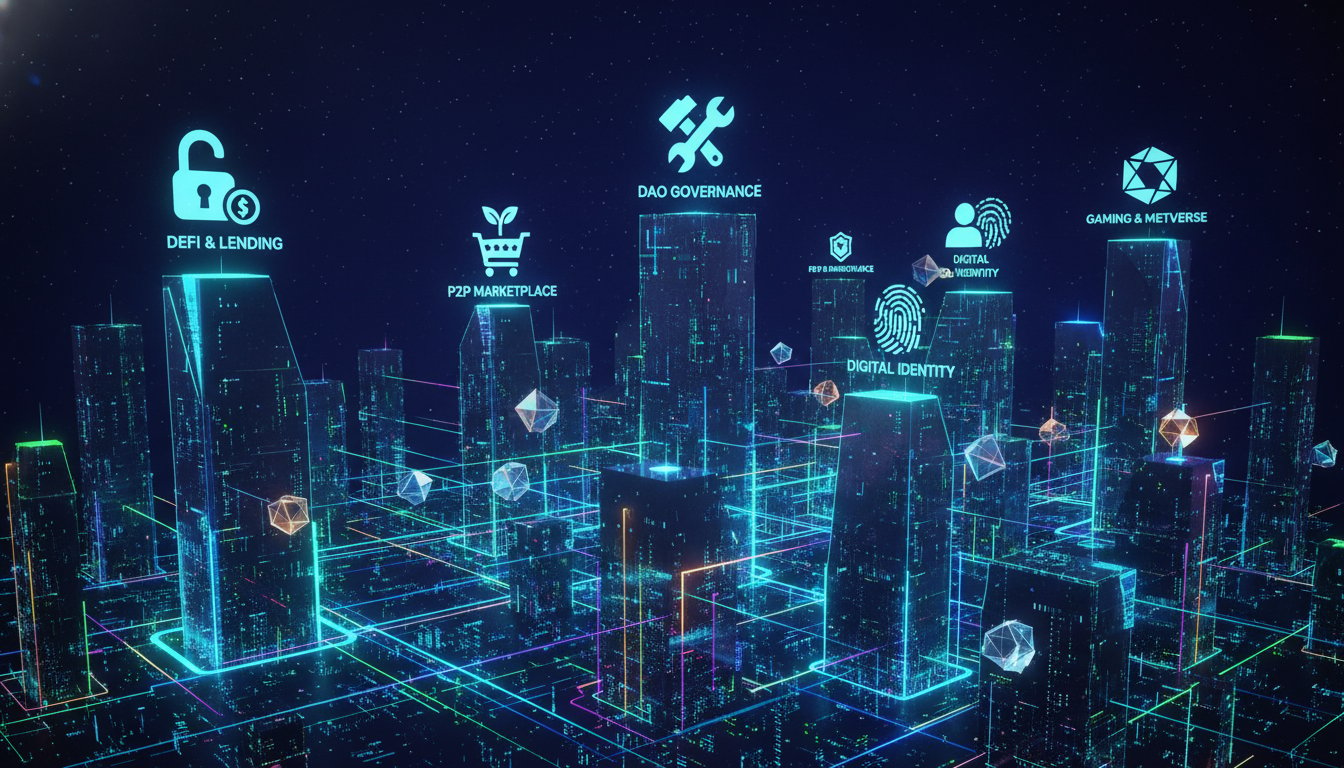
The emphasis on scalability and efficiency within DO Network’s design allows for broader adoption, catering to use cases that demand high throughput and low transaction costs. This is critical for moving beyond niche applications and into mainstream sectors like supply chain management, decentralized finance (DeFi), and gaming. By consistently building out these capabilities, DO Network is actively contributing to the maturation of the Web3 space, proving that robust, scalable, and decentralized solutions can indeed underpin a new digital economy. This long-term vision, often clarified and strengthened during market slowdowns, is what ultimately drives meaningful progress.
The uncomfortable volatility currently gripping the Web3 market, far from being a period to dread, is precisely the time when the industry’s most significant opportunities are being forged. As Grider and others have articulated, it’s a time for introspection, consolidation, and focused building. Projects like DO Network, with their meticulously engineered architectures, thoughtful tokenomics, and unwavering commitment to decentralization and utility, exemplify this ethos. By prioritizing core development, resilient infrastructure, and sustainable growth over fleeting trends, they are not merely weathering the storm but actively laying the groundwork for the next era of Web3 innovation. The future, it seems, is