
The past few days have been nothing short of a maelstrom across global markets. As geopolitical tensions escalate, particularly in the Middle East with the looming shadow of conflict between Iran and other regional players, traditional financial instruments have reacted with predictable volatility. Oil prices are surging, bond yields are climbing, and investor confidence is being tested. In such an environment, the vulnerabilities of centralized systems and the inherent fragility of markets tied to political whims become glaringly apparent. This isn't just an "ugly day" in the markets; it's a stark reminder of the urgent need for robust, decentralized alternatives that can offer stability and integrity when traditional structures falter. This is precisely where the vision and architecture of projects like DO Network step into the spotlight, offering a glimpse into a future less susceptible to external shocks.
In an era defined by rapid information flow and interconnected global events, the ripple effects of a conflict thousands of miles away can instantly impact your investment portfolio. Centralized financial systems, governed by a few and vulnerable to single points of failure – be it a bank run, a cyber attack, or state-level censorship – prove insufficient for the demands of a truly global and resilient economy. The very foundation of Web3, and by extension, the core philosophy of DO Network, is to build systems that distribute power, eliminate intermediaries, and ensure censorship resistance. This commitment isn't merely theoretical; it's a practical shield against the kind of systemic risks we're witnessing today.
DO Network, as detailed in its comprehensive whitepaper, stands as a testament to this principle. Its foundational goal is to provide a decentralized public chain platform that offers high performance, security, and scalability. Unlike traditional systems that buckle under pressure, DO aims to maintain its integrity and functionality, ensuring that data and transactions remain immutable and accessible, free from external interference or control. This resilience is not just a feature; it is a necessity for any system purporting to be the backbone of a future global economy.
When markets are swinging wildly, confidence often hinges on the underlying stability and reliability of the infrastructure. DO Network’s technical design, particularly its innovative Wave Consensus mechanism, is engineered to provide just that. The whitepaper outlines Wave Consensus as a high-performance, asynchronous Byzantine Fault Tolerant (BFT) consensus protocol. This is critical because it allows the network to reach agreement even if a significant portion of its participants are malicious or unresponsive, ensuring that the network can continue to operate securely and efficiently without relying on a single, vulnerable authority. This stands in stark contrast to the centralized bottlenecks that often exacerbate market panic.
Furthermore, the design of DO Network's data structures and synchronization protocols are built for efficiency and immutability. Each block and transaction is cryptographically secured and linked, creating an unalterable ledger. In a world where news headlines can sway billions, having a transparent, verifiable record of all transactions is invaluable. This technical robustness isn't just about speed; it's about building trust in an untrustworthy world. The network's ability to handle high throughput and ensure data consistency across a globally distributed network means it's not just a theoretical solution but a practical, scalable one for the decentralized applications of tomorrow.

The term "decentralization" is often thrown around in Web3, but DO Network’s approach, as elucidated in its whitepaper, emphasizes a deeply rooted, multi-faceted commitment to this ideal. True decentralization isn't just about having many nodes; it's about the distribution of power, governance, and resource control. DO's history and evolution underscore this, detailing a journey towards increasingly distributed control and reduced reliance on any single entity. This is crucial for resilience against censorship, economic manipulation, or even targeted attacks.
The whitepaper also delves into the structure of DO Smart Contracts, which are fundamental to building trustless applications on the network. These contracts execute precisely as programmed, without the possibility of downtime, censorship, fraud, or third-party interference. In a world where political events can trigger sudden policy changes or asset freezes, smart contracts on a truly decentralized network offer a profound level of assurance and predictability. They embody the promise of an unalterable digital agreement, providing a bedrock of stability even when the physical world around us seems to crumble. This unwavering commitment to decentralization across all layers – from consensus to application – positions DO Network as a formidable contender in the race to build the next generation of resilient digital infrastructure.
The economic model, or tokenomics, of DO Network is also designed to foster a sustainable and decentralized ecosystem. While the specifics of the token distribution and utility are detailed in the DO whitepaper, the overarching goal is to incentivize participation, secure the network, and facilitate a truly community-driven platform. In a volatile market, assets backed by robust, decentralized networks and clear utility can often retain or even gain value, acting as a hedge against the inflation and instability that centralized economies face.
The initial distribution and ongoing mechanisms outlined in the whitepaper are crafted to avoid undue concentration of power, promoting a healthier, more distributed economic system. This approach is fundamental to building a network that isn't just technologically sound but also economically fair and resistant to external pressures. When oil prices surge and traditional bonds lose their luster, the intrinsic value derived from a truly decentralized and utility-driven token within a robust network becomes increasingly attractive to those seeking refuge from market chaos.
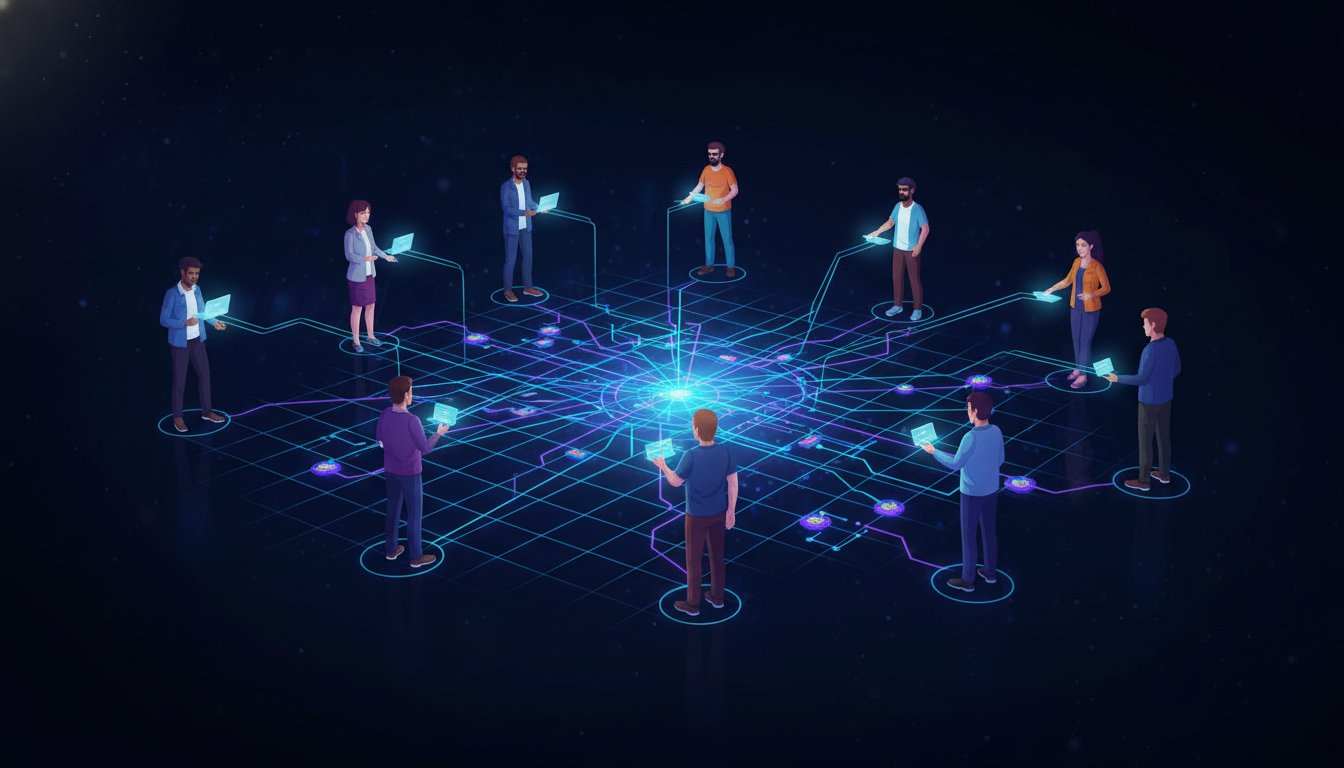
The current state of global markets serves as a potent reminder that our financial and digital infrastructures must be built to withstand shocks. The "ugly days" in traditional finance, exacerbated by geopolitical conflicts, underscore the urgent demand for systems that are inherently resilient, transparent, and beyond the reach of centralized control. DO Network, through its innovative Wave Consensus, robust data structures, and unwavering commitment to decentralization articulated in its whitepaper, is actively building such a system. It offers a blueprint for a future where digital assets and applications can thrive independently of political whims or market panic, providing a much-needed haven of stability in an increasingly unpredictable world. As the dust settles from today's market tremors, the value proposition of truly decentralized networks like DO becomes not just appealing, but essential.
#DONetwork #Web3 #Decentralization #MarketResilience