

Introduction In the vibrant mosaic of American society, the dark undertones of racism, particularly the covert and insidious kind I call "silent racism," persist stubbornly beneath the surface. This article seeks to shed light on the silent racism that pervades everyday interactions and societal structures, deeply rooted in the historical context of America and perpetuated through generations by both the oppressed and the oppressors.
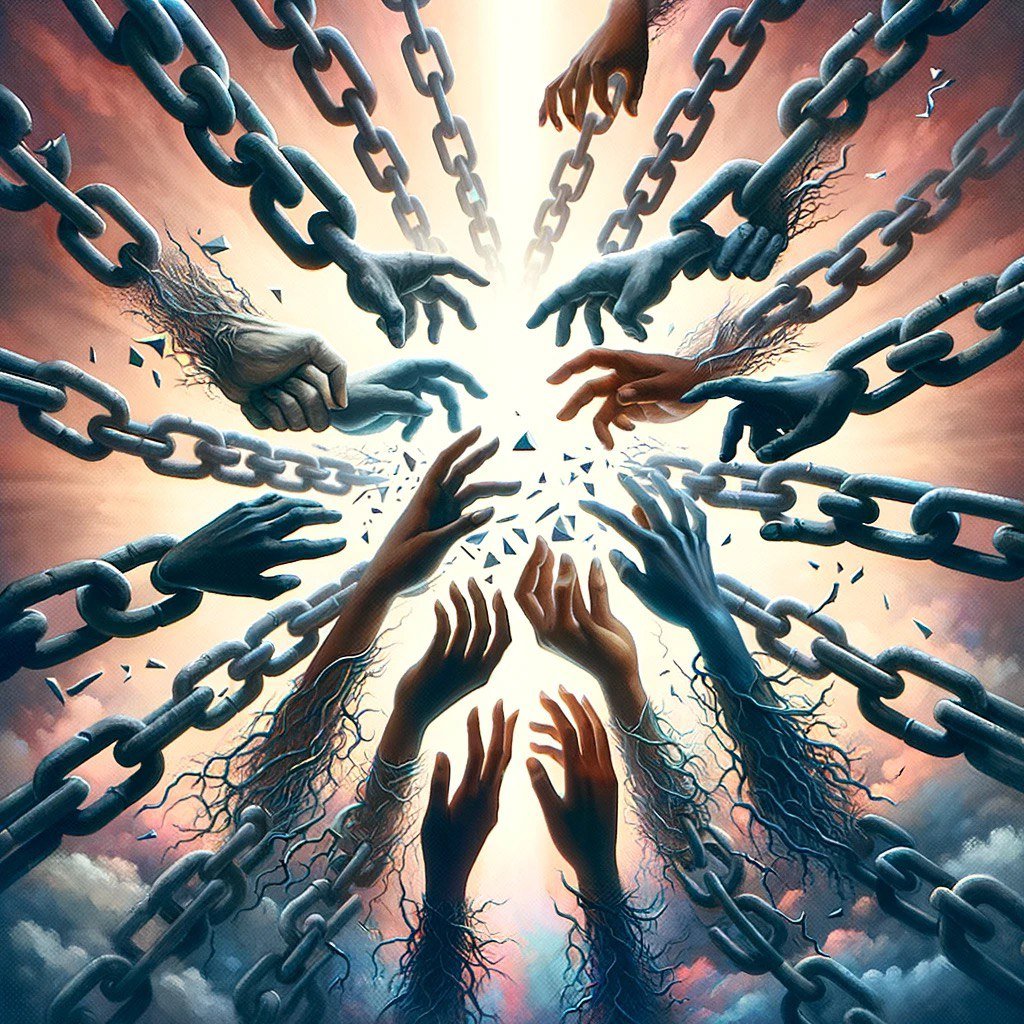
The Legacy of Willie Lynch The infamous Willie Lynch Letter, symbolically represents a blueprint for racial division and control. Lynch's philosophy promoted strategies to pit slaves against each other based on trivial differences, creating a hierarchy that has transcended into a psychological legacy affecting both Black and White Americans. This divisive mindset has been carried forward into modern America, subtly influencing social interactions and personal relationships. Songs like 400 Years by Peter Tosh express the pain due to silent racism and its goal to oppress black people for years after slavery had ended to further benefit from their enslavement of the minds of everyone. This being the reason I feel many don’t want to address this issue of what keeps these practices in power.
Impact on Interracial Relationships In today’s society, interracial relationships are becoming more common, yet they are not immune to the echoes of silent racism. Partners and their families often carry unconscious biases, affecting their acceptance and behavior. For instance, Black individuals in relationships with White partners frequently encounter subtle rejections and microaggressions from their partner's family, reflecting deep-seated prejudices that are often denied or overlooked.
This video titled "The Untold Abuses of Black Male Slaves by White Women" explores the deeply entrenched history of slavery in America, particularly during the antebellum period, and its lasting impact on societal views and cultural narratives. It emphasizes how the portrayal and understanding of slavery transformed over time, leading to a culture that either justified or criticized the institution. This historical exploration is critical in understanding silent racism today, as it reveals the deep roots of racial biases that still subtly influence educational systems and social interactions. The discussion extends an invitation to acknowledge and engage with this often-overlooked history, fostering a deeper comprehension of the enduring legacy of African heritage and the ongoing struggle against racial injustice.
Personal Narrative My journey into an interracial relationship was met with resistance from my community and betrayal in multiple relationships. Despite facing hatred and deceit, including being subjected to racial slurs and manipulative behaviors aimed to control me, my commitment to seeing the good in people remains unshaken. The pain of being abandoned by those I trusted and being targeted in legal battles involving my children has tested my strength and resolve.
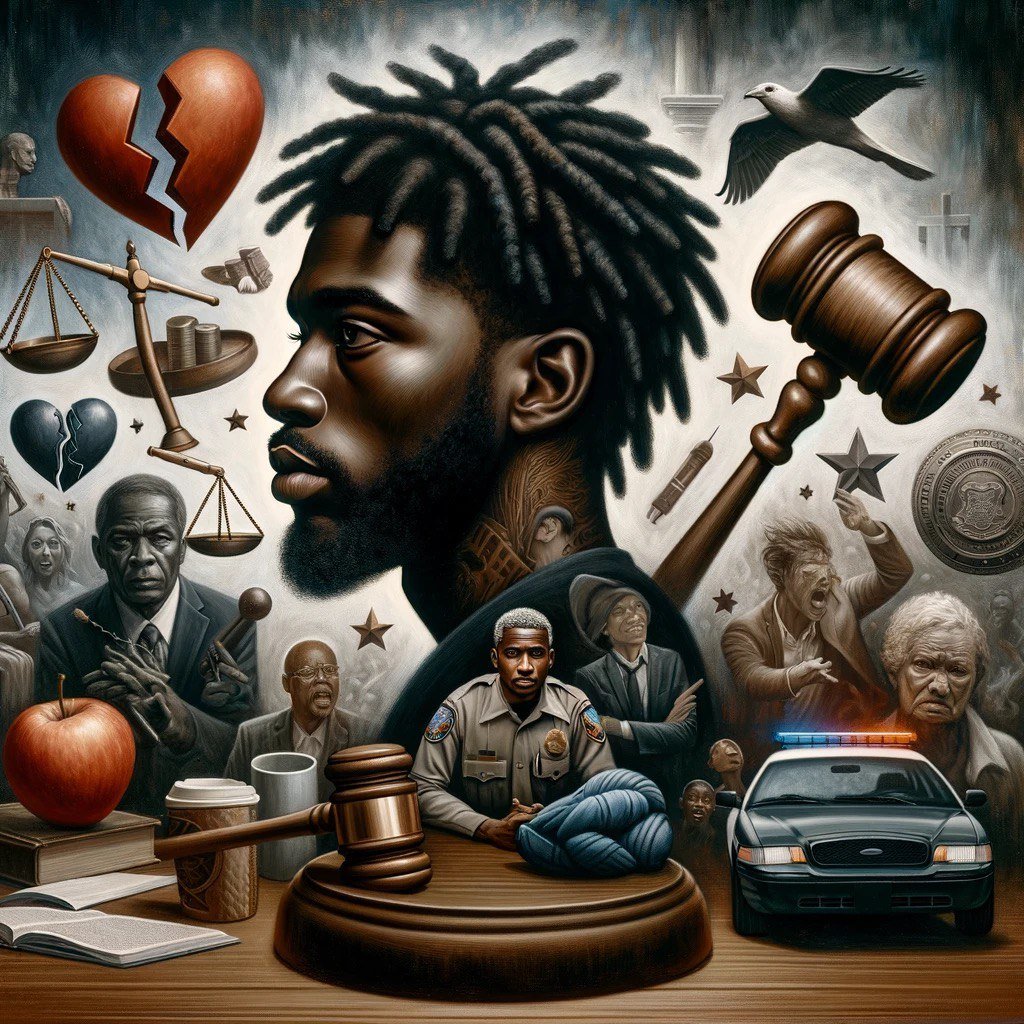
Just as a quick example of silent racism: This woman I dated uses a demeaning nickname for her mixed-race grandchildren as her password, she calls them “monkie$”. The same woman expressed to me how when she brought her mixed kids around her grandfather, he told her to “get those n***** babies out of here” reflecting ingrained racist attitudes. Moreover, trivial disputes are often escalated to authorities, a tactic historically used to assert control over Black individuals, leveraging a system built with underlying racist values. I have also seen where families will not help their daughter out or talk to them in any situation due to the fact that they are in a relationship with me. It makes build a life and a relationship impossible. I was living with this woman for 4 years and her family would never meet me.
The Path to Change Silent racism is not a relic of the past but a present reality that requires active engagement and education to overcome. We must first acknowledge its existence and understand its complexity before we can dismantle its foundations. Education plays a pivotal role in this, as does the willingness to confront uncomfortable truths within our families and social circles.
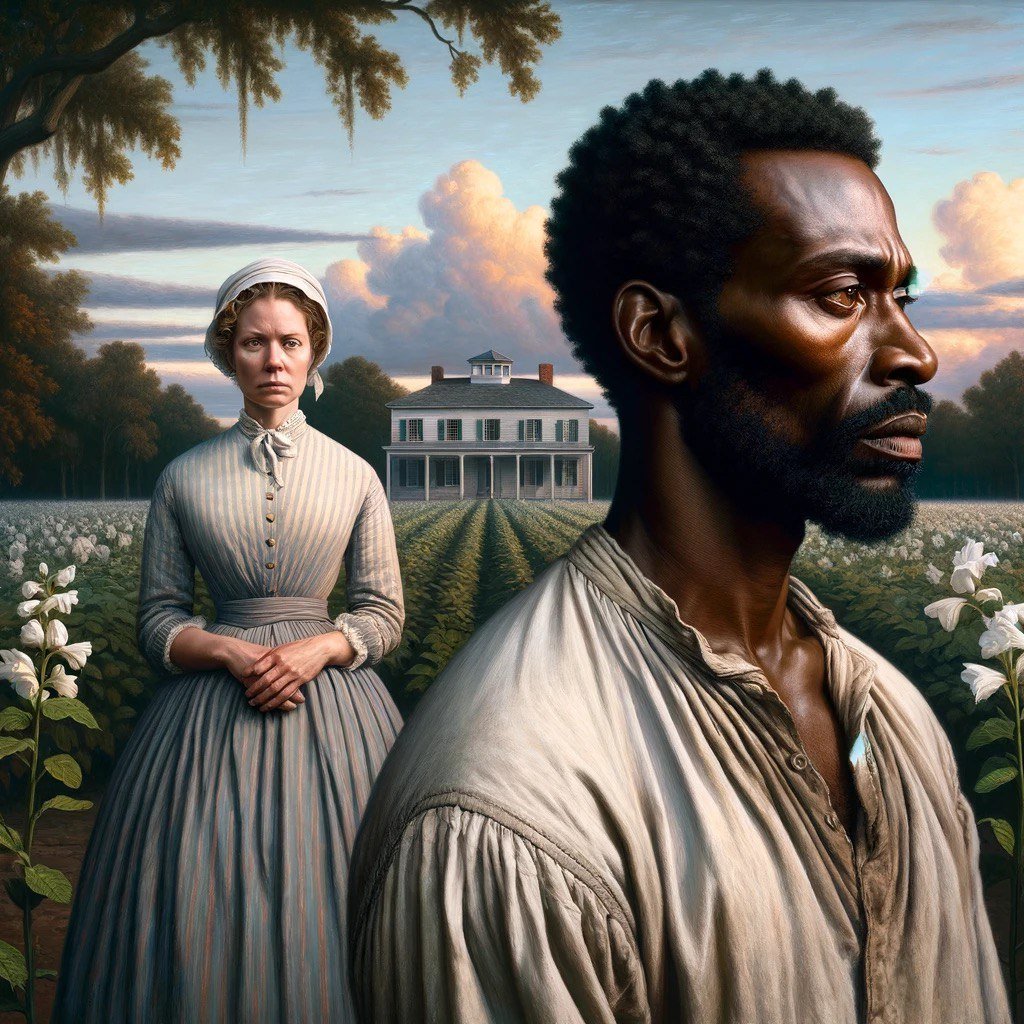
Expert Opinions: Understanding and Combatting Silent Racism Experts suggest that combating this form of racism requires acknowledgment of its existence and a willingness to confront these uncomfortable truths. Figures like Martin Luther King Jr. emphasized the power of love and nonviolence, while modern advocates like Ibram X. Kendi advocate for active anti-racist actions. Psychological experts point out that the impacts of silent racism are profound, affecting mental health and community cohesion, emphasizing the need for active solutions.
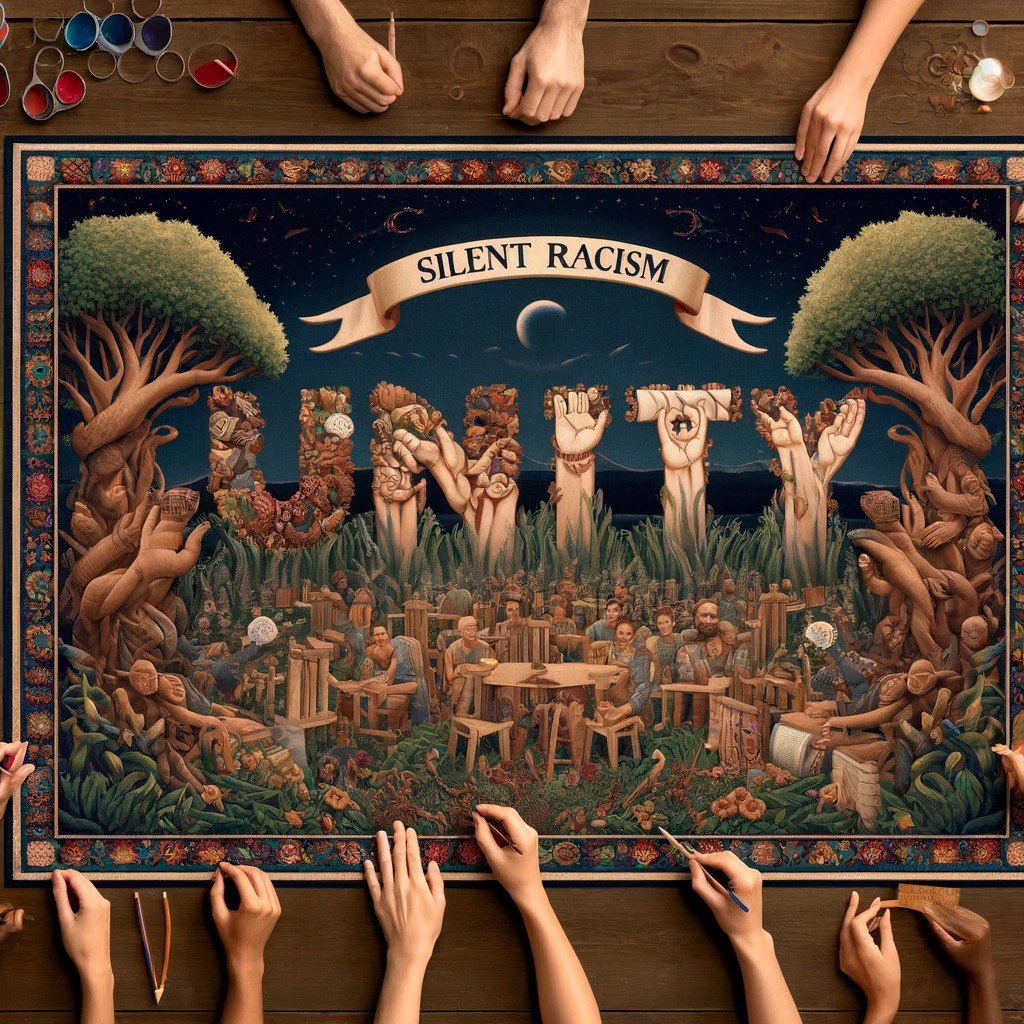
Actionable Steps: A Call to Action To dismantle the deep-seated biases of silent racism, we must take proactive steps:
Community Dialogue: Engage in open conversations within your communities and families about race and experiences with racism.
Educational Initiatives: Educate yourself and others about the historical and ongoing impacts of racism through books, documentaries, and workshops.
Promote Positive Interactions: Replace negative interactions with positive affirmations and support, spreading love as a counteractant to hate.
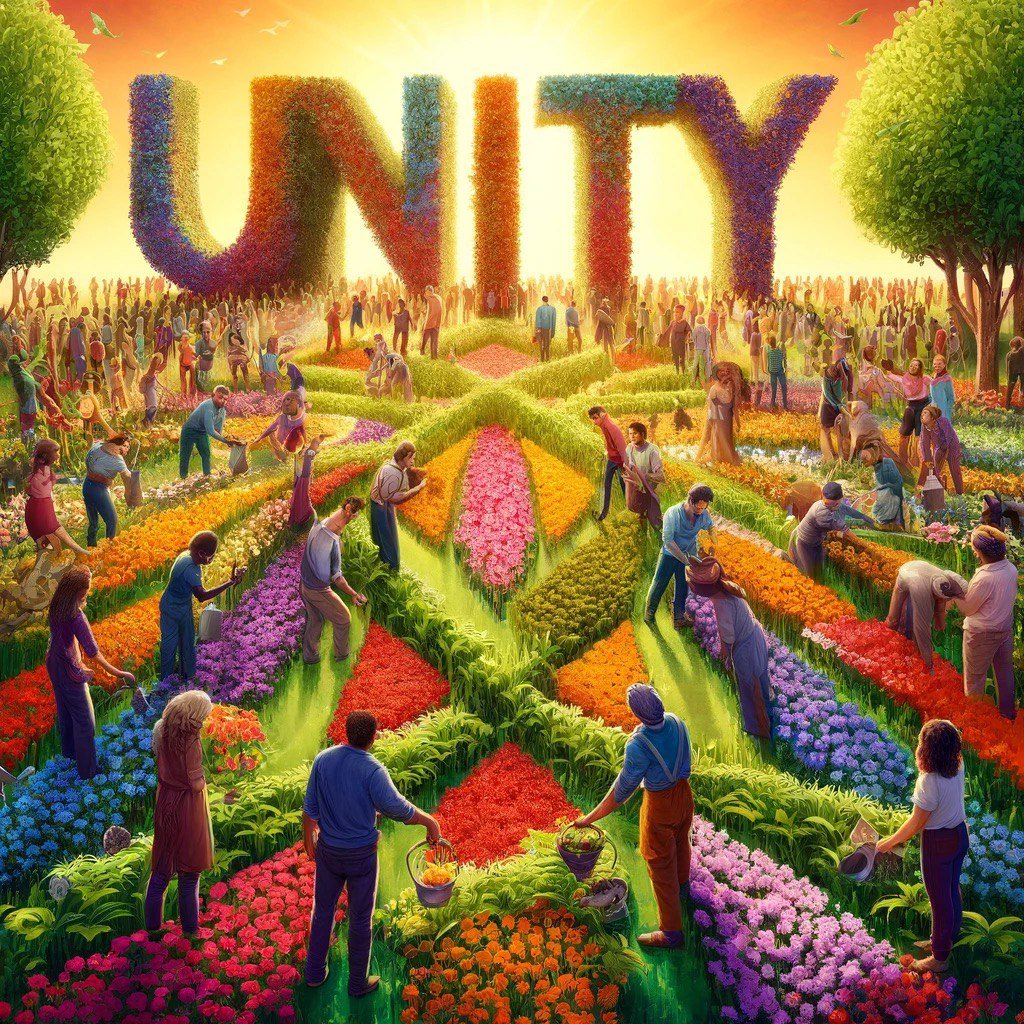
Invitation to Join the Movement I invite you to join me in spreading this message and transforming our collective pain into a force for change. Let's weave a new narrative, one thread at a time, to create a tapestry that truly reflects the diversity and strength of our united community.
Forgiveness and Moving Forward In my darkest moments, when faced with hatred and betrayal, I have found strength in forgiveness. Inspired by my trust in The Almighty Creator, I have learned to extend compassion even to those who have wronged me, believing that true healing requires us to love our enemies and wish them well.
Conclusion
Silent racism is a formidable adversary, but it is not invincible. With understanding, persistence, and love, we can break the chains of historical prejudices and build a future where every individual can thrive without the weight of unspoken biases. Join me in this crucial endeavor—Nerdie Blaq to the future, where we all belong.