Crypto didn’t get harder. It got wider and with more chains, more wallets, more bridges, more dashboards, more “alpha” flying around. The result is a quiet UX tax nobody talks about which is fragmentation. It doesn’t just waste time but also changes behavior. You hesitate longer, miss entries, split attention, and end up trading the timeline instead of the market. Most people don’t lose money in crypto because they’re “early.” They lose because they’re scattered. One wallet here, one chain there, one “alpha” tweet over there, and by the time you finally bridge, swap, and confirm… the move is gone. Fragmentation is definitely the real rug.
At the same time, the best information in crypto is already public. The most useful signals aren’t in paid threads or influencer group chats. They’re on-chain, in plain sight: who bought, when they bought, how they sized it, and whether they actually held conviction. These are footprints. A unified account plus wallet-following turns crypto into what it should have been all along: one place to discover, verify, and execute without bouncing between apps. This is the core bet behind fomo: unify the experience (so you stop app-hopping) and surface real signals (so you stop chasing noise). Let’s break it down.
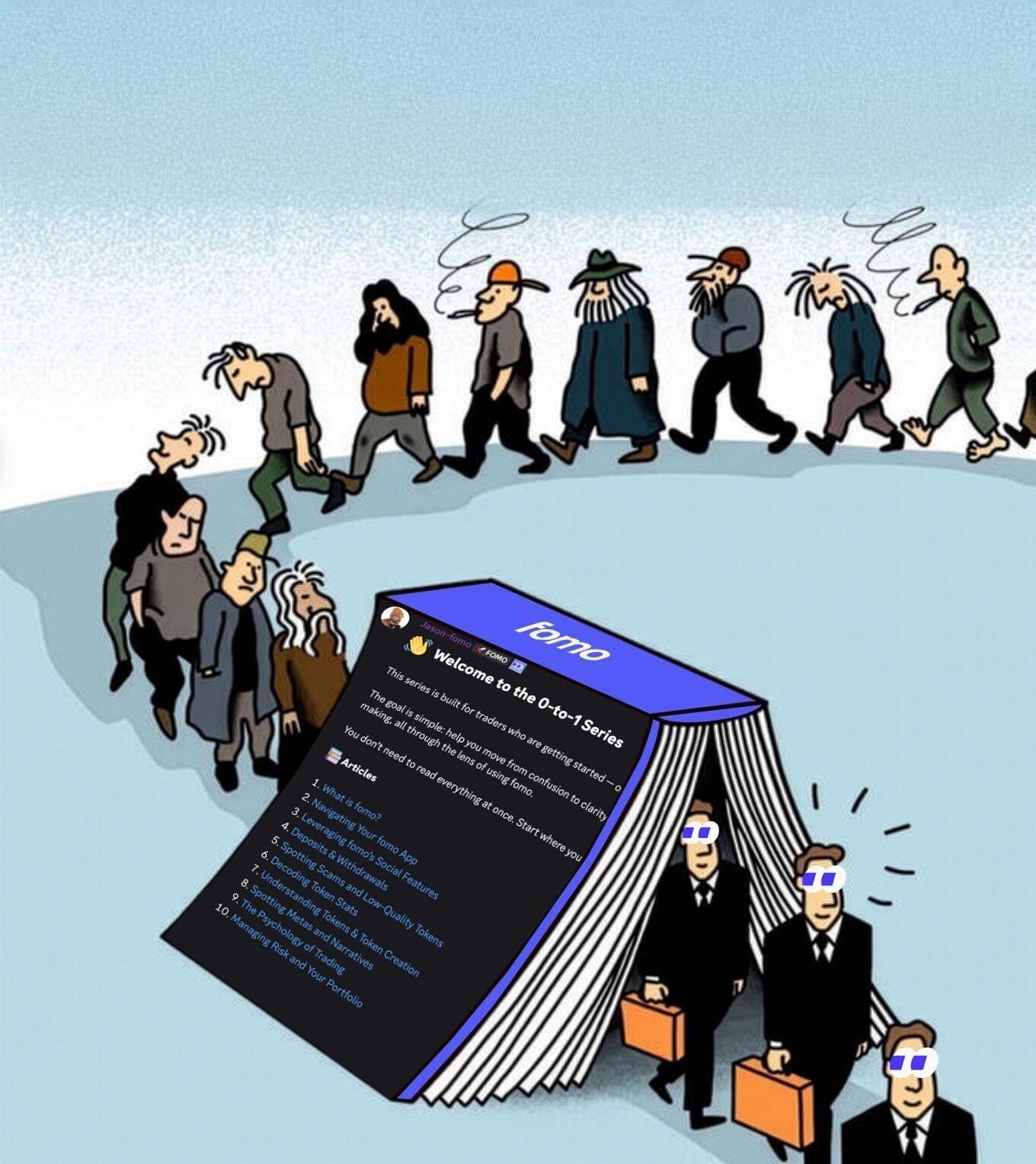
Fragmentation doesn’t just annoy you but actually changes how you behave, and here’s a description of what it looks like in real life.
You hesitate longer: Even when you’ve done enough research, you still pause because execution feels messy. That pause is often the difference between a clean entry and a late chase.
You delay “small” trades: if buying requires a bridge + gas + wallet switching, you skip early entries and only show up when the token is already trending.
You over-rely on shortcuts: when doing things properly is hard, people default to whatever is easiest, such as
buying whatever is already listed on their usual app,
copying whatever is popular on the timeline,
or trusting influencers to “save them time.”
That’s how fragmentation pushes people into the worst trading habits: late entries, emotional decisions, and outsourced thinking.

There are two kinds of crypto info:
Opinions (what people say)
Footprints (what people do)
Opinions are cheap; anyone can sound confident. Footprints are different, and they matter because they’re recorded, time-stamped, and hard to fake, so a footprint answers questions that actually matter, such as
Did this person buy before the hype or after?
Did they hold through volatility or panic sell?
Do they consistently catch strong narratives early?
Do they size responsibly, or do they just spray trades?
This is the on-chain social layer, not “who tweets the loudest," but “who moves with skill and consistency."
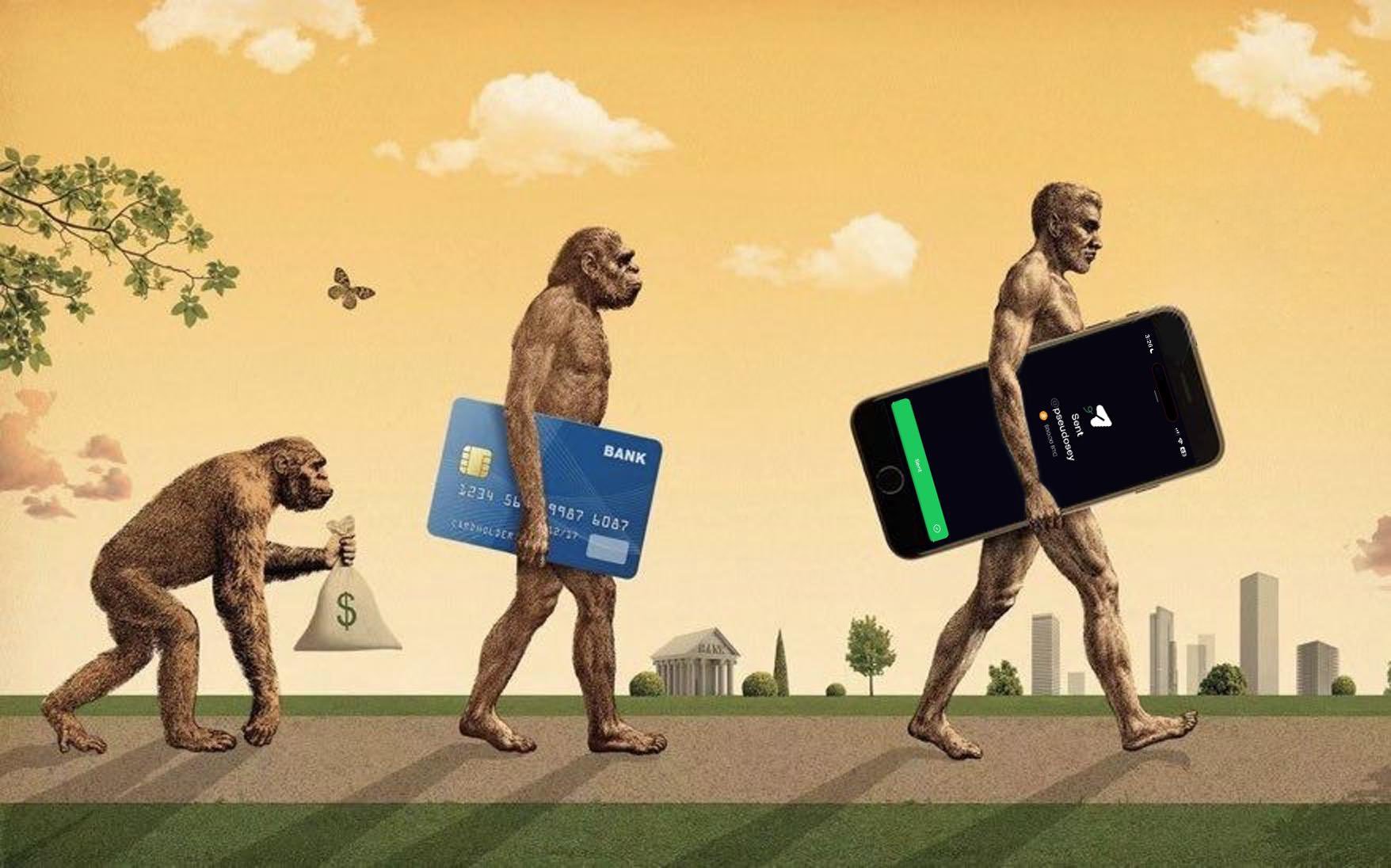
A paid shill sells you a story, while a transparent wallet shows you behavior.
Influencer promos often have problems you can’t see:
undisclosed incentives,
exit liquidity games,
cherry-picked “wins”
convenient silence when trades go wrong.
But when you’re looking at on-chain footprints:
you can see the entry time.
the position size (or at least the pattern),
and whether the wallet kept holding or dumped.
Receipts don’t care about charisma; receipts don’t get paid to sound bullish. This is why transparency wins because it replaces persuasion with proof of conviction.
Most beginners try to “find alpha” like this:
search Google or YouTube,
scroll X until something sounds convincing,
jump into a token because everyone is yelling.
That method is noisy and exhausting, so wallet tracking fastens the process:
Instead of chasing random tips, you identify proven wallets.
Instead of guessing what matters, you watch what skilled traders actually do.
Instead of being late, you get notified when action happens.
On a token page (say DOGE), you can:
see top holders and early buyers,
view when they bought,
see their latest actions and context around the token.
If a wallet consistently gets into good tokens early, you follow it.
Then the key part:
When that wallet buys or sells, you get a notification.
Not “I think this is going up.”
Not “trust me.”
An actual signal: they moved.
That doesn’t mean you blindly copy trade. It means you finally have a reliable starting point for research that isn’t sponsored.
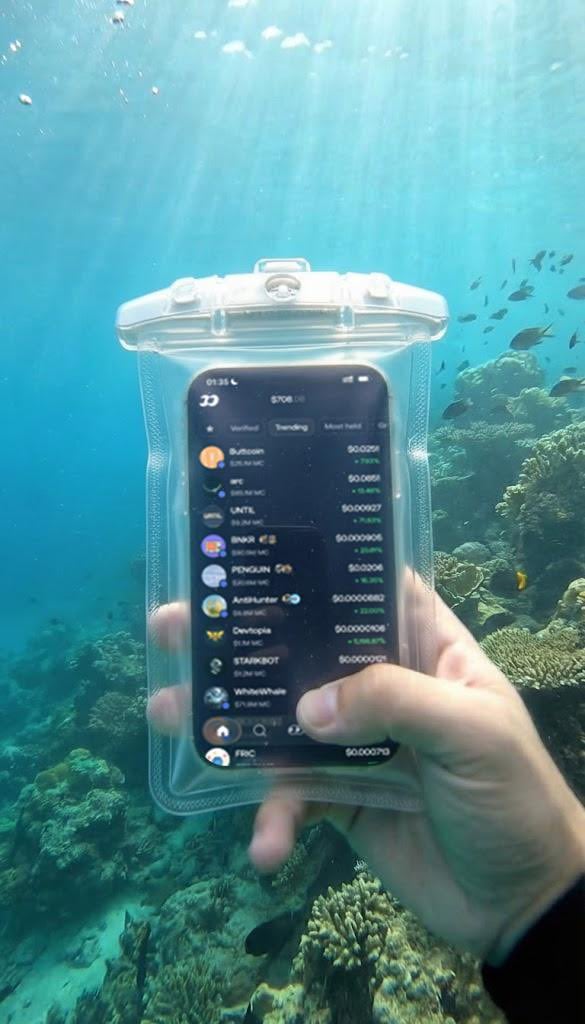
Signal is useless if execution is slow.
This is where unified accounts matter.
Normally, you find a token... and then:
realize it’s on another chain,
switch wallets,
figure out bridging,
calculate gas,
And by the time you’re ready, the price has moved.
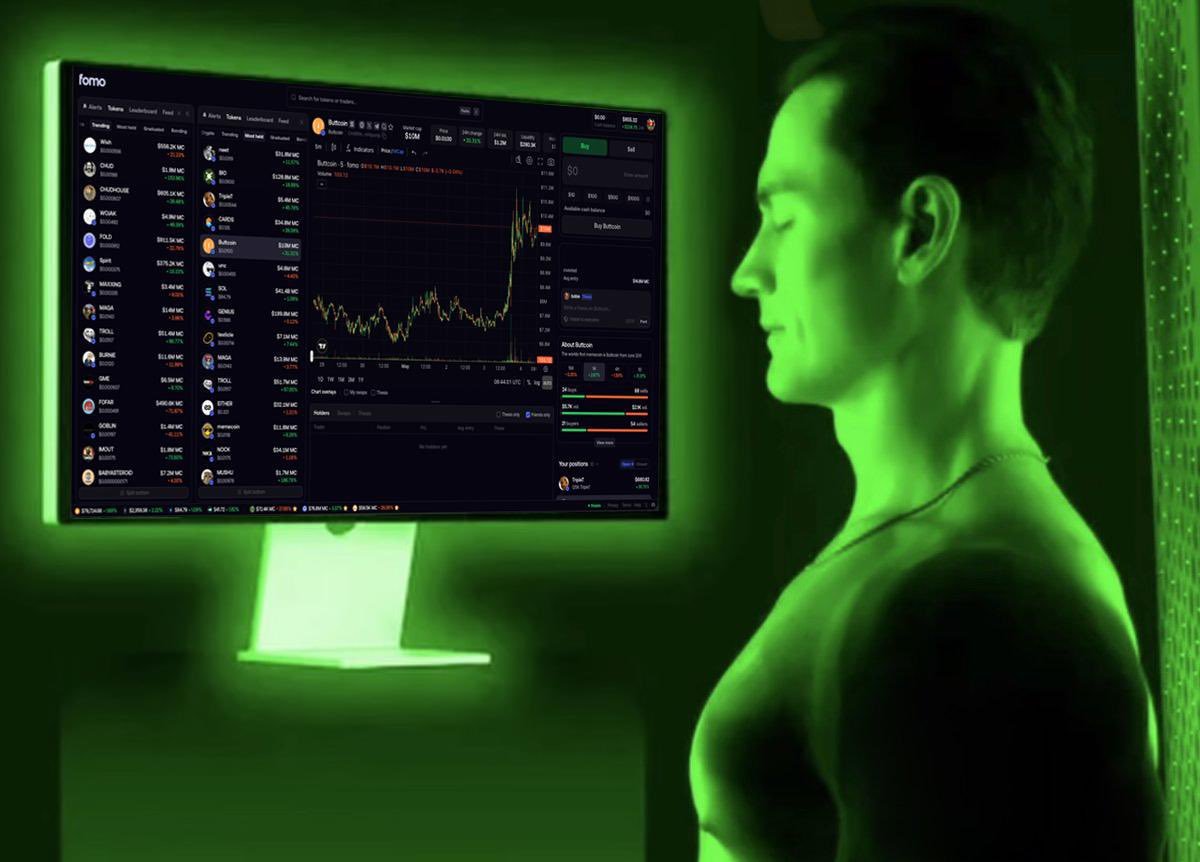
fomo changes this behavior by putting discovery and execution in one place:
you track wallets in your feed.
tap into the token page,
review the key info,
and execute quickly, even if the token is on a different chain.
That “speed” isn’t about being reckless. It’s about removing unnecessary steps between decision and action. Because in crypto, most missed wins aren’t missed due to intelligence. They’re missed due to friction.
People think simplifying crypto is only about comfort.
It’s also about safety.
Fragmentation creates the perfect environment for mistakes:
buying the wrong token (fake contract),
using the wrong chain,
falling for bridges/scam links,
missing key warnings because you’re spread across tools.
fomo’s approach is to reduce the “surface area” for errors:
keep research consolidated on one page,
include socials and holder context,
and flag potentially malicious tokens with warnings.
When users bounce between five apps, they become easier to trick.
When the workflow is unified, it becomes harder to get trapped by confusion.
Safety isn’t only “blocking scams.”
It’s building a system where users are less likely to make costly mistakes in the first place.

This isn’t just a “beginner app.”
Because fragmentation hurts everyone, even experienced traders.
It provides a clean path:
fund → discover → verify → buy, without learning ten different tools first.
It compresses time:
fewer steps to move between chains,
less noise when finding ideas,
and better signal from on-chain footprints.
The real unlock is behavioral:
When crypto feels unified, people stop trading like tourists and start trading with a process.

Fragmentation is crypto’s UX tax: it slows you down and makes you miss moves.
Wallet footprints are the best signal: receipts beat opinions.
Transparency beats shills because behavior is harder to fake than narratives.
Wallet following means tracking proven wallets and getting notified when they buy/sell.
One unified account means you can execute across chains without app-hopping.
The result: less confusion, fewer mistakes, faster execution, and a cleaner way to learn crypto.
Crypto will keep expanding. More chains will come. More tokens will launch. More noise will flood the timeline.
The winners won’t be the people who read the most tweets.
They’ll be the people with the cleanest workflow.
From fragmented chaos to one feed is the shift. And that’s what fomo is building.