Start typing to search this publication.
Brandon Donnelly logo Brandon Donnelly
Open menu
Brandon Donnelly logo

Subscribe to Brandon Donnelly

Get new posts delivered straight to your inbox.

Brandon Donnelly — Daily insights for city builders. Published since 2013 by Toronto-based real estate developer Brandon Donnelly. — Page 32

Cover image for Who actually wins the autonomous vehicle future? - Brandon Donnelly

Who actually wins the autonomous vehicle future? - Brandon Donnelly

There was once a time when Uber was heavily investing in autonomous vehicles and rides. Then that stopped in an effort to become profitable. But now, out of

There was once a time when Uber was heavily investing in autonomous vehicles and rides. Then that stopped in an effort to become profitable. But now, out of necessity, it’s back. Uber recently announced that the company will invest “$10 billion of capital over the coming years to bring AVs to market at scale.”

Uber’s belief is that the self-driving car industry won’t be dominated by just one company. Instead, it will be a mixed ecosystem where some companies build their own cars and ride-hailing apps, and others plug into existing networks. And in this world, it is these networks — like Uber — that will become the most valuable piece of the puzzle.

Perhaps.

Whether they believe this or not, Uber basically has to say this because they are the platform aggregator. They do not build or operate any self-driving vehicles of their own — at least not anymore. These parts of their business were sold off.

Autonomous vehicles are a wicked technical challenge. The edge cases are extraordinarily difficult to solve. If only a select few companies solve them, and solve them well, then there’s an argument to be made that they will capture the majority of the market.

But if AV technology becomes commoditized and it ends up being all about the brand and who can aggregate demand the best, well then, Uber could very well be right. They already have global scale.

My view is that Waymo has such a commanding lead when it comes to AVs that they have the leverage in the short and medium term. There are also zero switching costs for ride-hailing customers. I’ll use whatever is better. So if I’m Uber, I’m worried about Waymo, which is presumably why they are starting to have differing opinions.

Cover image for Does design and brand equity sell? - Brandon Donnelly

Does design and brand equity sell? - Brandon Donnelly

It is a core belief of mine that design and brand equity create value in real estate. But to what extent is this true? And how much should a developer invest

It is a core belief of mine that design and brand equity create value in real estate. But to what extent is this true? And how much should a developer invest in these things? Is it worth spending a 3-5% licensing fee on a cool brand? Will the price premiums really be there? Here are some ways to think about it.

One, good design can just mean good taste and, as we talked about yesterday, giving a shit. This doesn’t need to cost any more than bad design; you just have to put in the effort. This is the low-hanging fruit to be seized.

Two, good design solves problems. And if you’re solving problems that increase returns and development yield, promote sales or leasing velocity, and/or lower operating expenses, then you have tangible value. You can start to figure out the return on your investment, and that helps with decision-making.

Three, good design can also just mean cool and luxurious materials and details. Here, you’ve got the highest cost of our three options, but it may be important in order to differentiate your offering, drive scarcity value, and create prestige. This one can be harder to evaluate quantitatively.

All of these approaches ultimately intertwine with the overall brand of a project and of the developer, and that’s the next piece for us to discuss.

The concept of brand equity has always been fascinating to me because on some level, it’s simply the premium people are willing to pay “for a name” because of the perception they have of that name. It is, by one definition, the “sum of consumers’ thoughts, feelings, and attitudes about your brand that influences their willingness to pay for your product.”

The challenge with brand equity is that it takes a long time to build, which is one of the reasons developers often borrow it (i.e., license it) from established consumer-facing brands to use on their projects. The other reason is that real estate tends to be local and slow-moving, so it’s objectively difficult to build a global brand.

Design and brand work together. If you’re developing an Aman Residence, the brand will dictate its standards so you don’t negatively impact the equity it has built up over time. But now we get back to our original question: To what extent does it make sense to invest in design and brand?

In economics, the definition of a luxury good or superior good is that demand increases more than proportionally as incomes rise. What this effectively means is that when times are good and people are feeling wealthy, they tend to overspend on luxury goods. And when times are not so good, they will often underspend on luxury goods and focus on normal or necessary goods.

What this means for real estate is that there is an opportunity to capture additional value through investments in design and brand when the overall market supports it. But during downturns, this pricing premium may feel like it disappears. Still, prudent investments in design and brand can lead to selling or leasing when the rest of the market isn’t. Your investments bought liquidity.

When Steve Jobs launched the original NeXT computer, he overshot the market by a wide margin, and it was a commercial failure. And when he launched the iPhone, critics similarly said it was too expensive. Apple ended up having to lower its initial pricing slightly, but the product turned out to be exactly what consumers wanted.

Finding the right sweet spot depends on local market conditions and the point you’re at in the development cycle. This involves as much art as it does science. But perhaps the above framework can start to help you think through the options.

Cover image for Site Tour: Craft Residences in the Junction - Brandon Donnelly

Site Tour: Craft Residences in the Junction - Brandon Donnelly

This week, my friend Bill, who is the founder of Gairloch Developments, took me through his Craft Residences project. Bill has done and is doing a number of

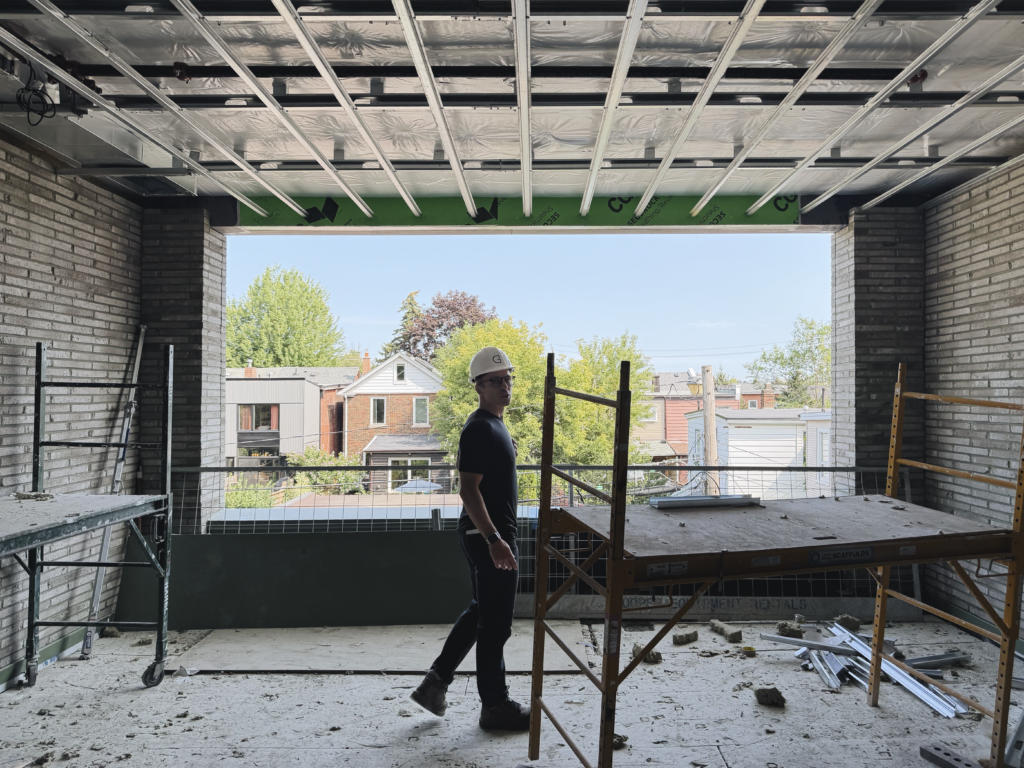
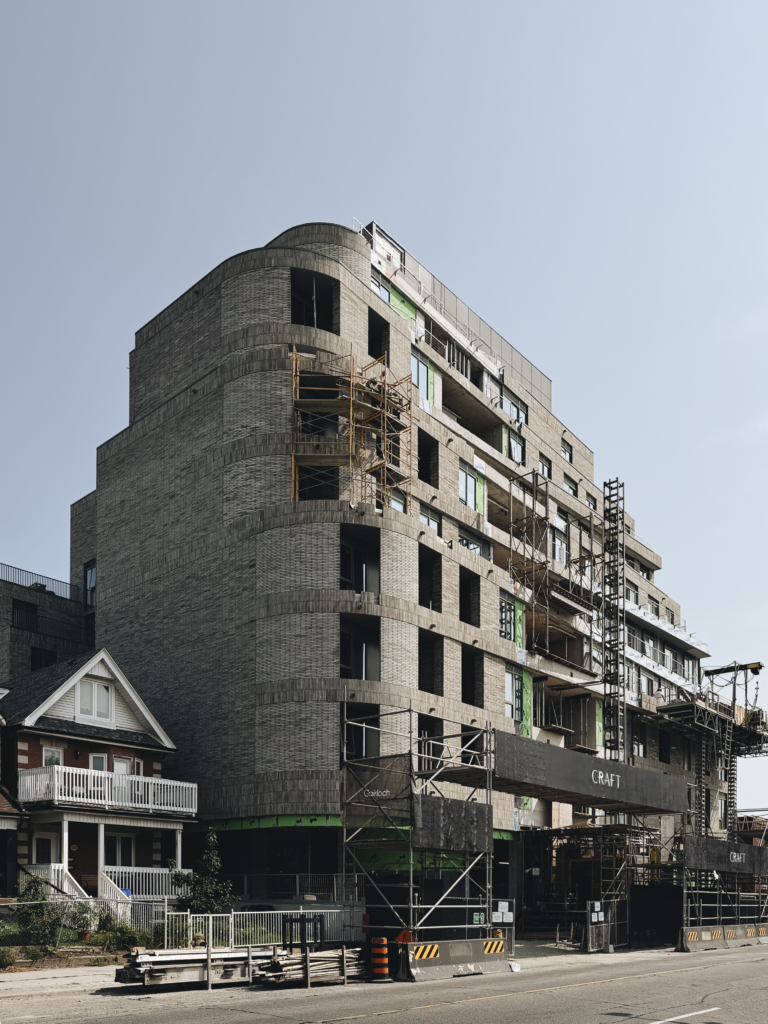
This week, my friend Bill, who is the founder of Gairloch Developments, took me through his Craft Residences project. Bill has done and is doing a number of beautiful projects in the Junction and Craft is one of them.

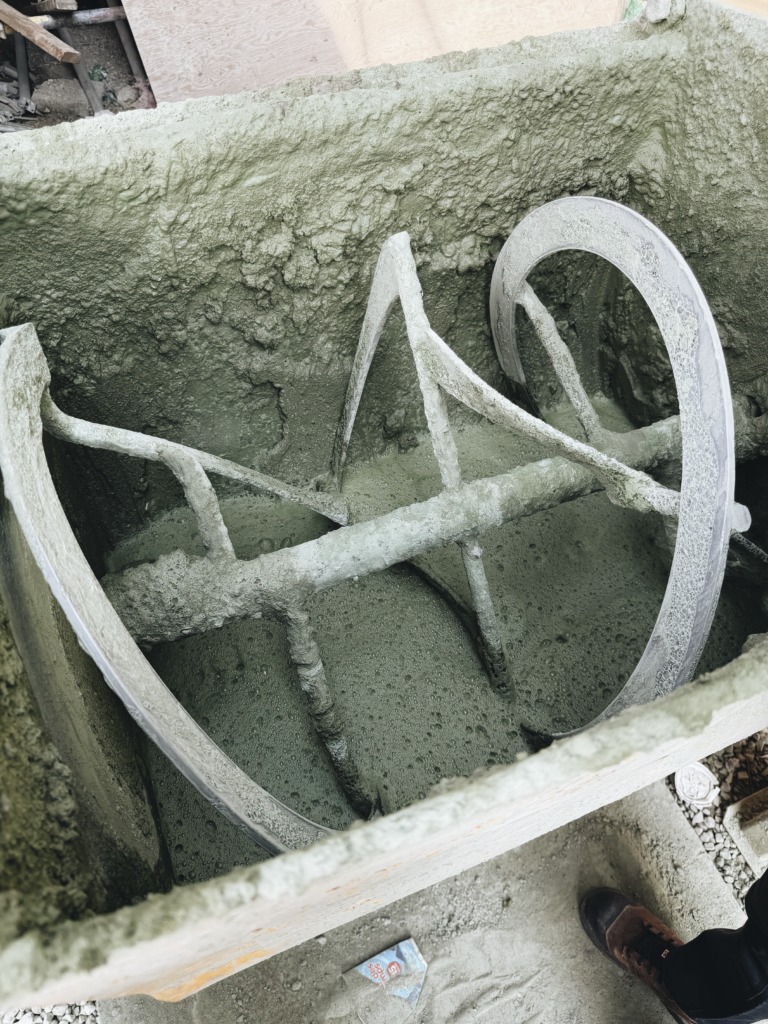
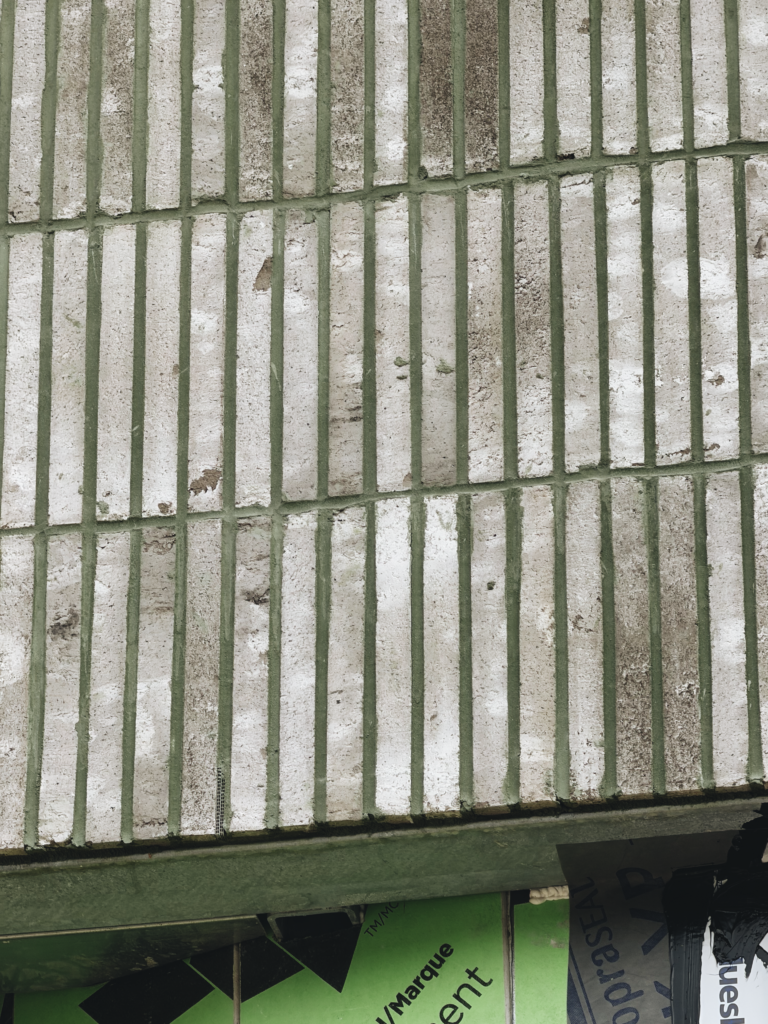
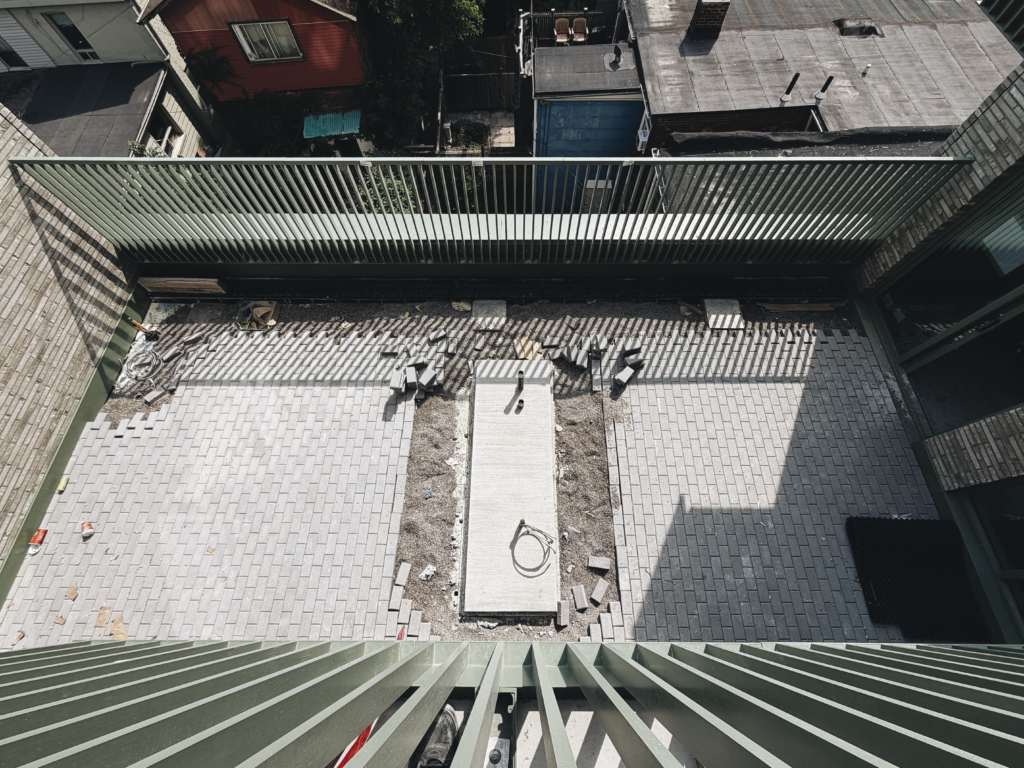
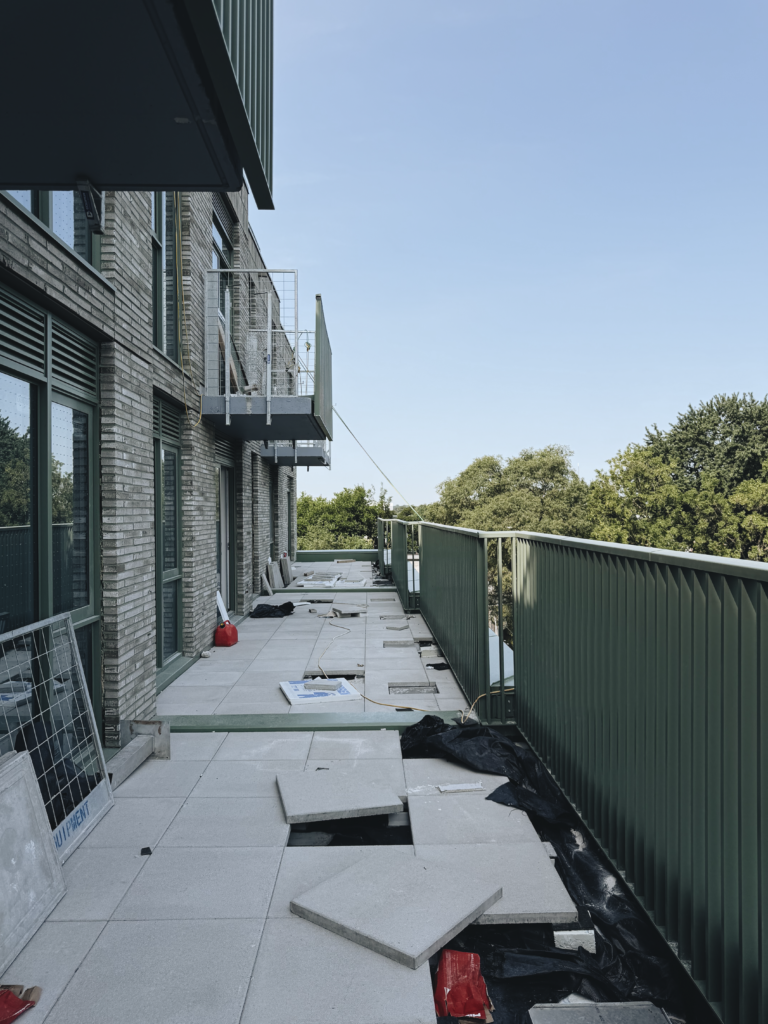
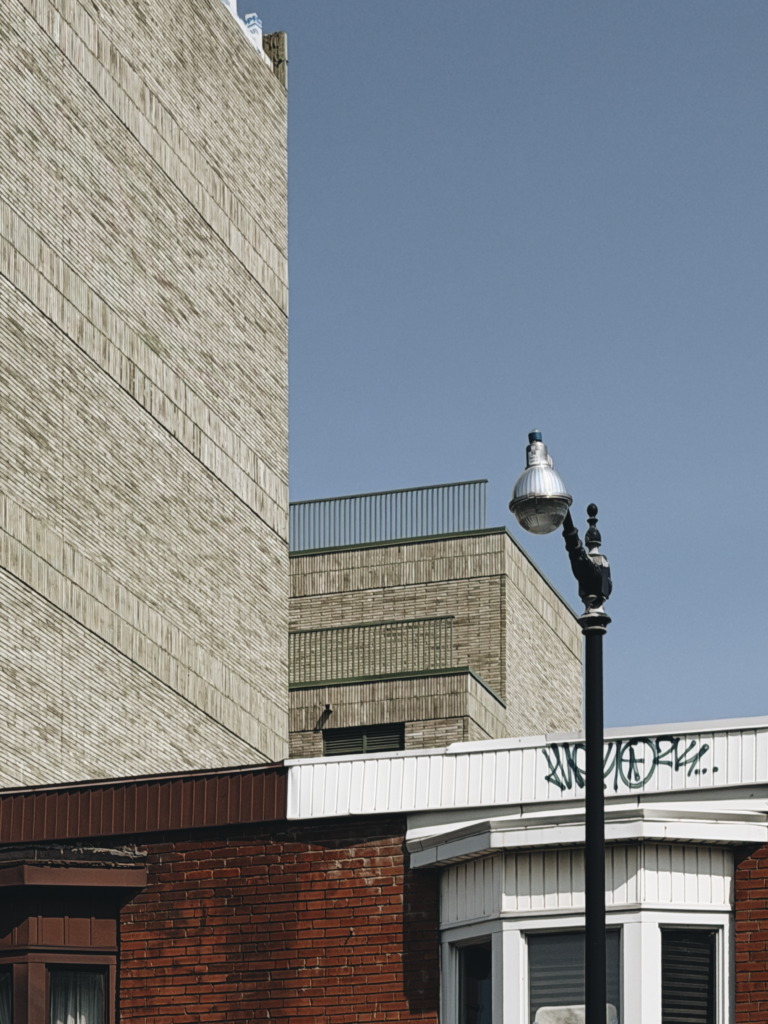
When we met up on Dundas, I immediately complimented him on the project’s use of green (which is, of course, Globizen’s brand colour). Craft has green brick mortar, green windows (on the outside), and green picket balcony guards. Love it.

His response was, “It feels to me like a housing project you’d find in London.” And I think that’s exactly right.

There are some design details that objectively just cost more to design and build. Often the simpler the detail, the more expensive it is to build. As one of my favourite design sayings goes, “Only the rich can afford this much nothing.”

But there are other design details that don’t cost more; you just have to give a shit and make good decisions. Bill gives lots of shits, and it shows in his work. I’m super happy that he’s building in the Junction. Below are my photos from the site tour.

P.S. Globizen has an upcoming, soon-to-be-announced project where we’ve been looking at design details to specifically communicate our brand. Some of them will be green. Please take it as a compliment, Bill.

Subscribe to Brandon Donnelly

Daily insights for city builders. Published since 2013 by Toronto-based real estate developer Brandon Donnelly.