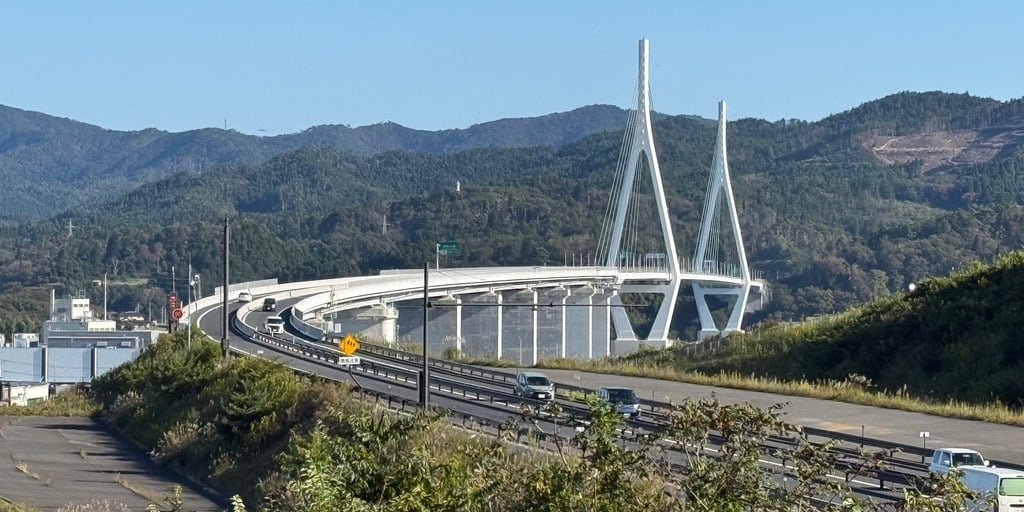
In September I traveled to Kesennuma on the northeast coast of Japan to participate in a ‘civic goods’ hackathon. The city is a port with a natural harbor and a big fishing industry. In 2013 Kesennuma was designated as Japan’s first ‘Cittaslow’, or Slow City.
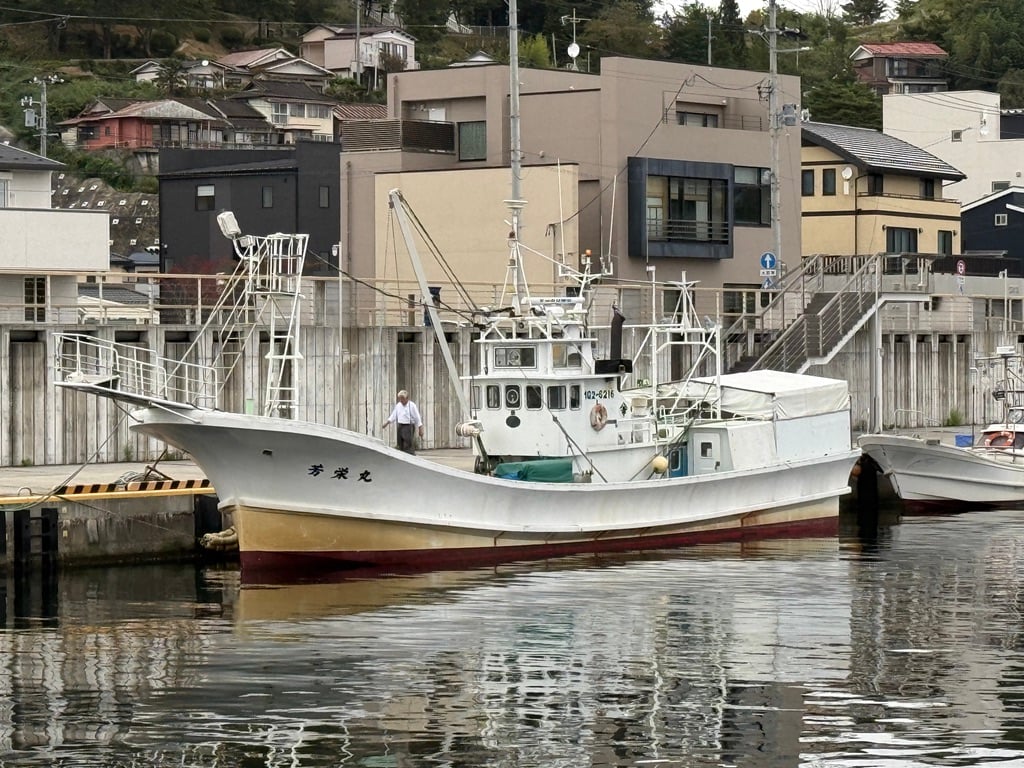
The hackathon is named ‘Hackatsuon’, referring to ‘Katsuo’ (bonito), the most popular fish brought in at the port. This was the second hackathon in Kesennuma, the first took place last year. I heard about it via the network and it sounded like a stimulating altruistic effort so I applied to join.
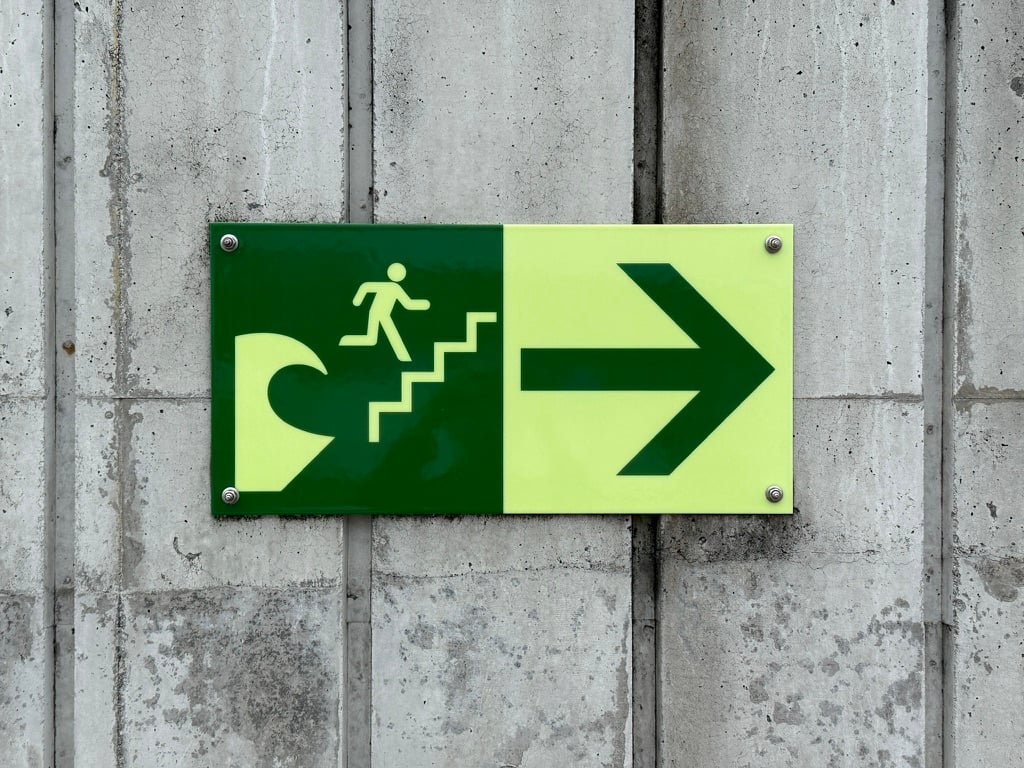
In 2011 the seaside districts of Kesennuma were destroyed by a tsunami that followed an earthquake. It was one of the most catastrophic natural disasters in Japan’s history. It killed thousands of people, caused a nuclear accident in Fukushima to the south, and devastated the entire coast. 15 years later the city is still rebuilding.
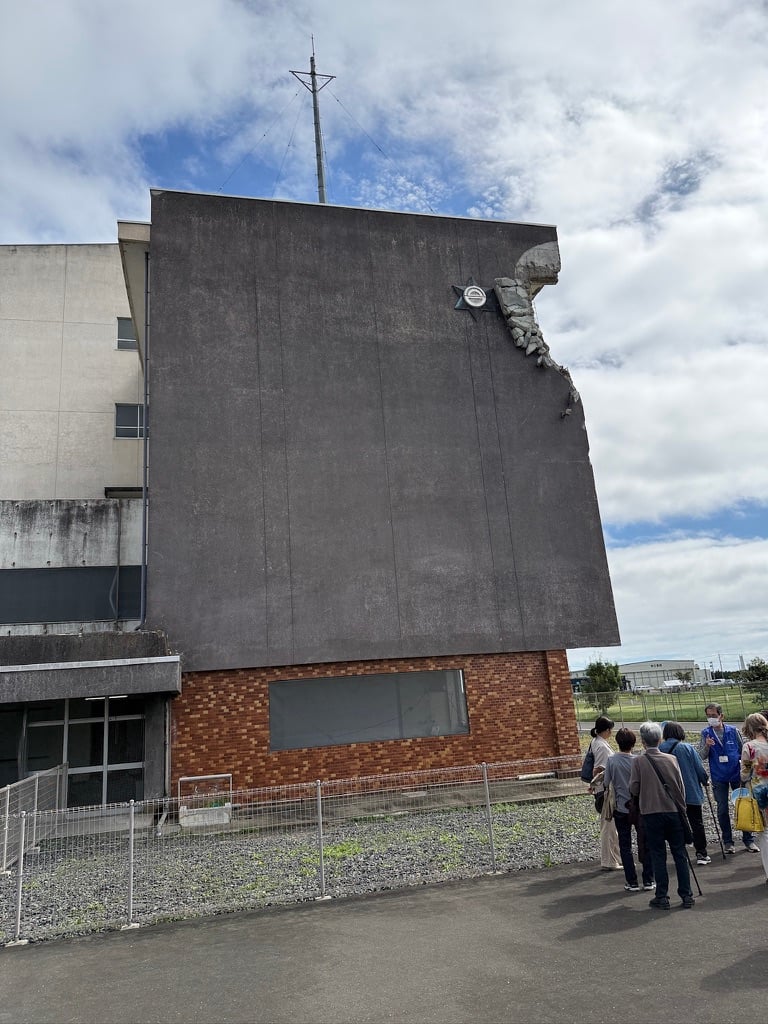
On one of the outings we visited a school that was inundated by the tsunami and has been turned into a museum. It was an appalling tour. We saw videos and photos and first-hand evidence of the destruction and loss of life.
The hackathon took place over two weeks. The first week was a residency, an orientation where we attended briefings, visited sites and companies, and learned about the city and its problems. The second week was build week.
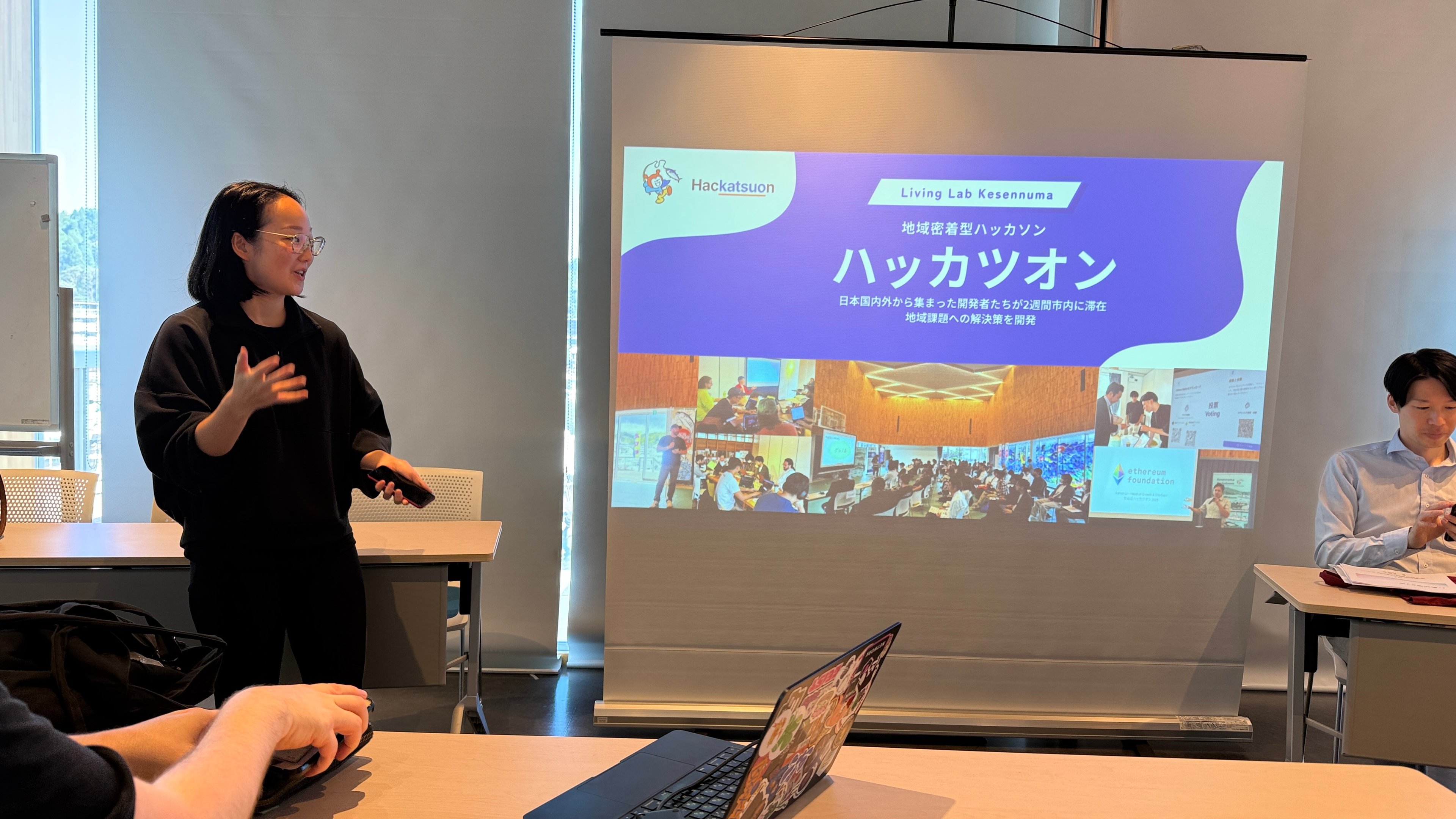
First was a briefing from Usukura-san and Shoei-san from the planning division. They’re keenly aware of the city’s challenges and they know what they want to achieve. It’s the ‘how’ that’s difficult.
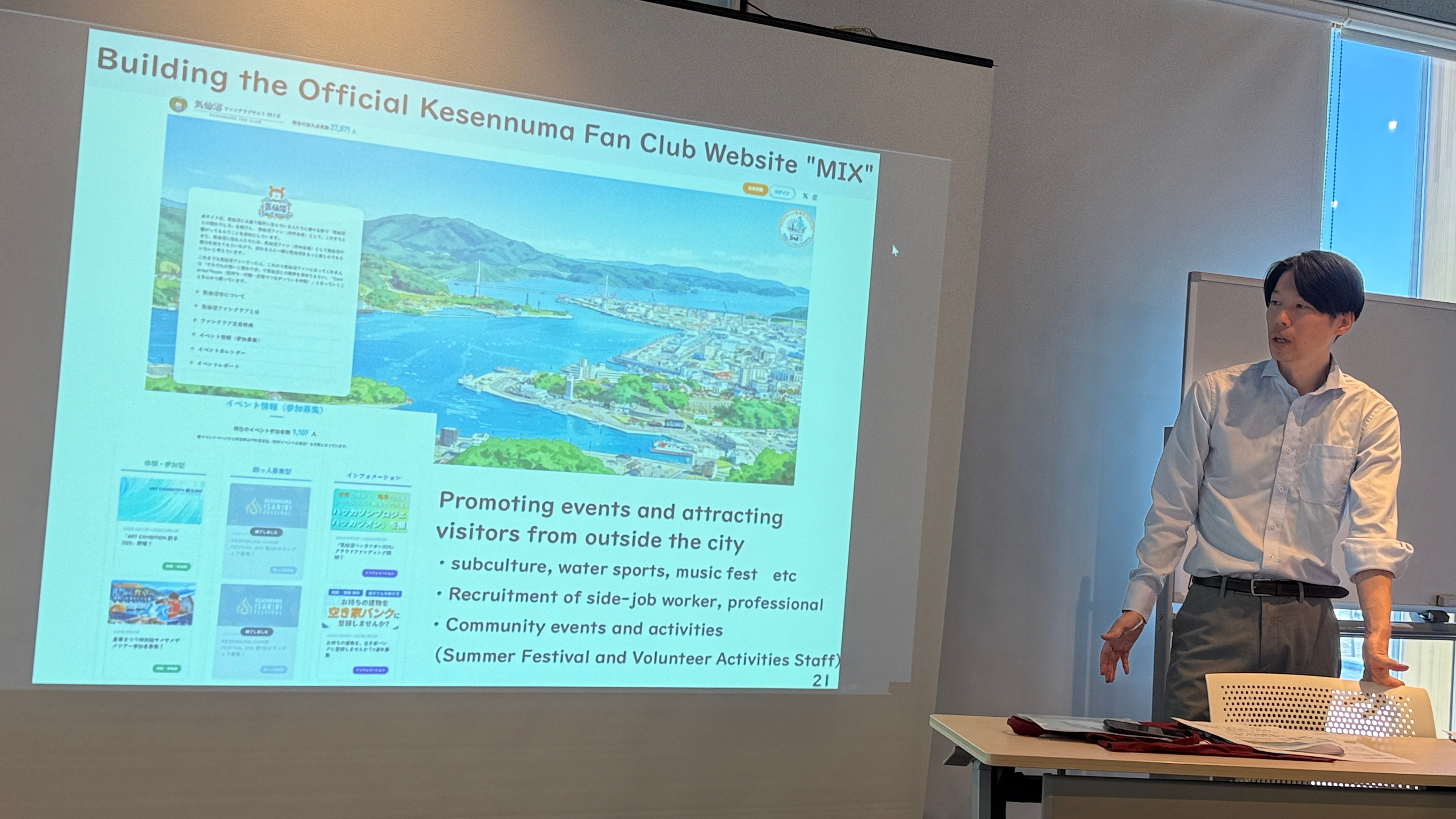
A core problem is population decline. Kesennuma is losing 1000 residents per year. With a population of 50k, you can do the math.
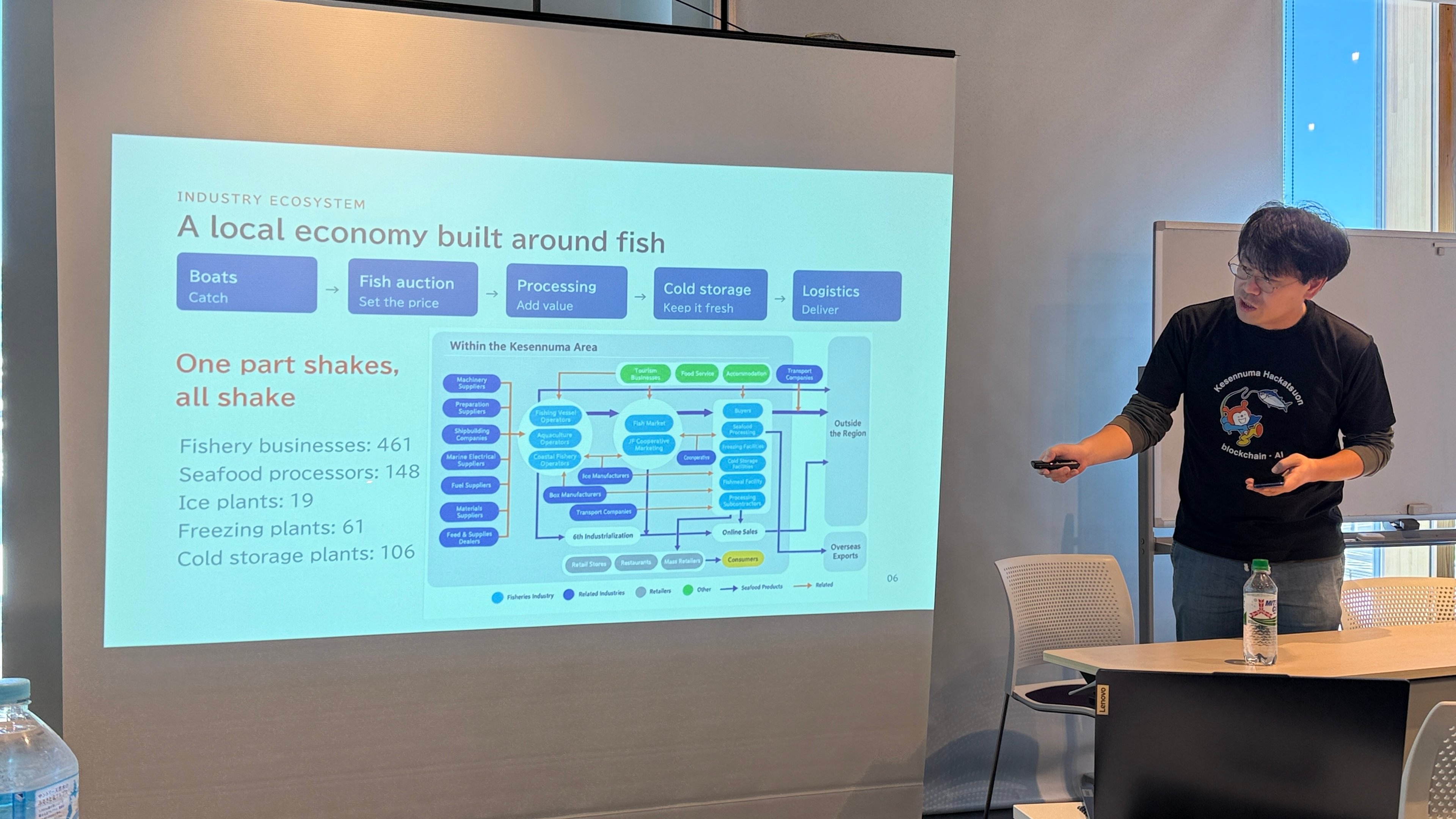
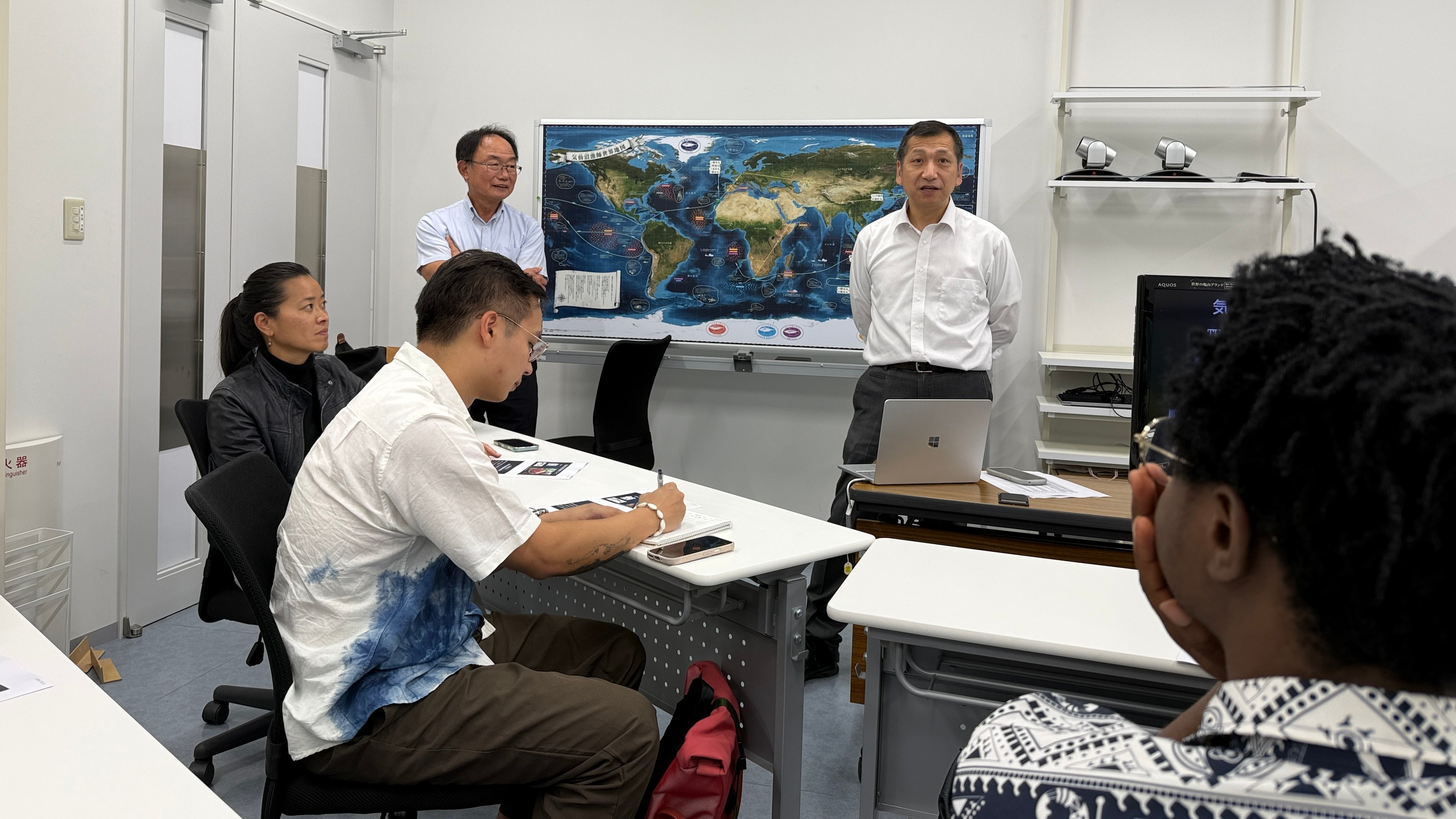
Prior to the tsunami, Kesennuma was Japan's busiest port for processing bonito, tuna, and swordfish. Here Inoue-san from the city introduces us to Sugawara-san, an executive with Hokkatsu, a fishing cooperative.
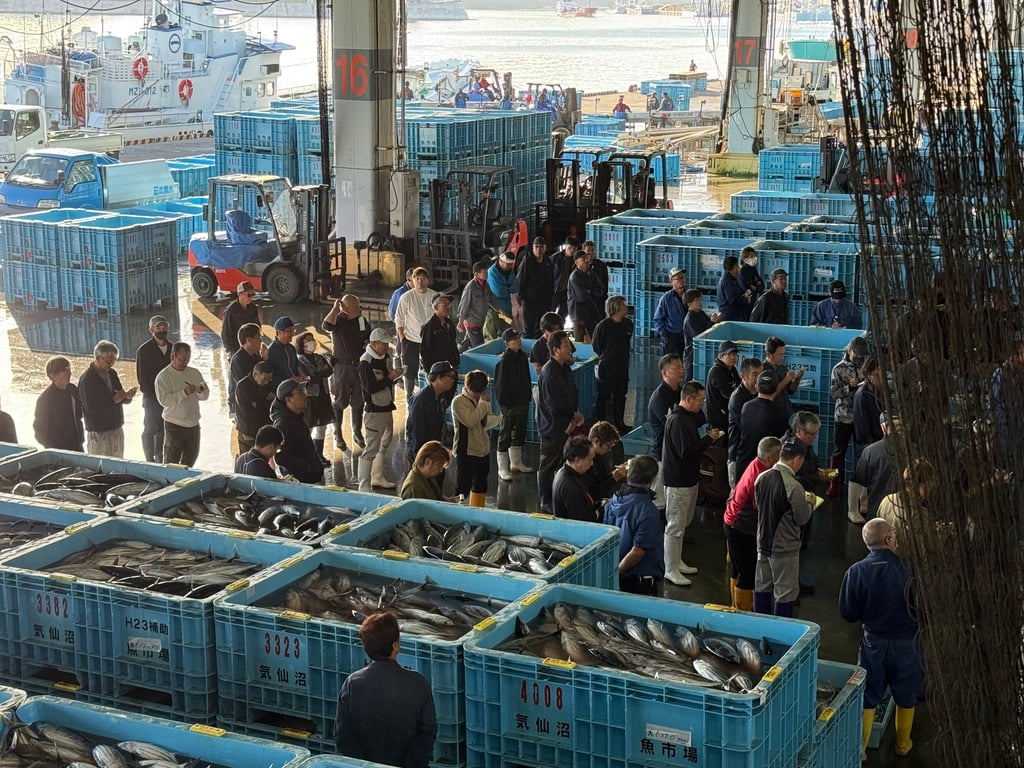
One morning we got up early to tour the wholesale fish market.
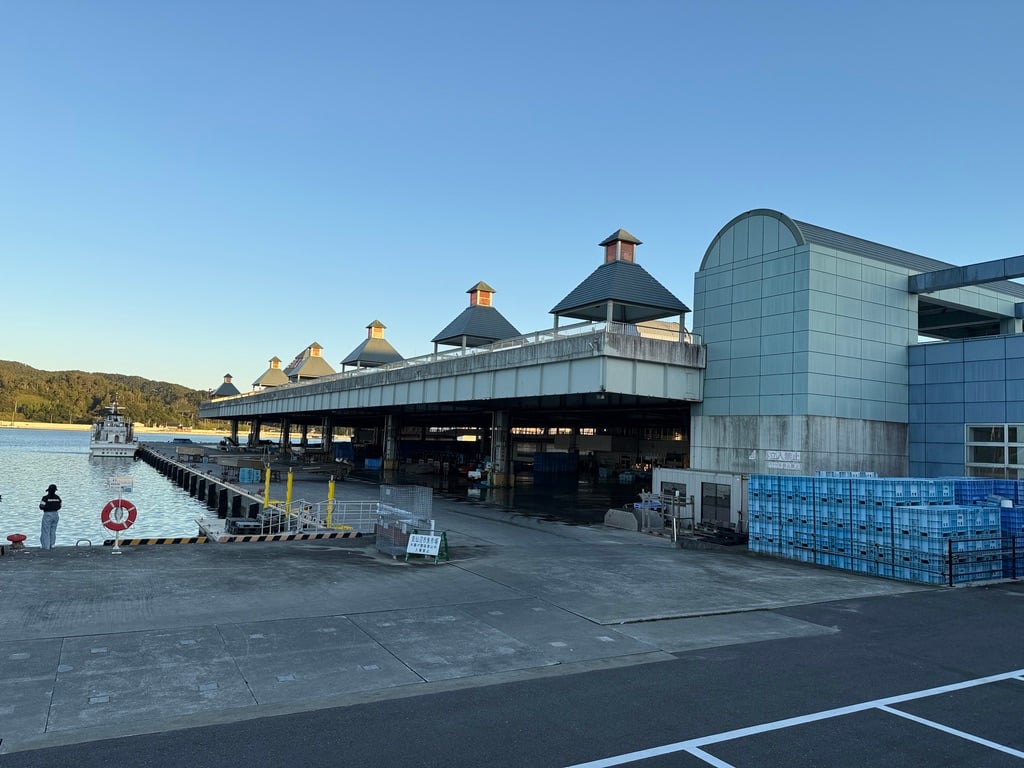
The scale of the operation is enormous. Ships come in, moor, and unload tons of seafood that is immediately sold.
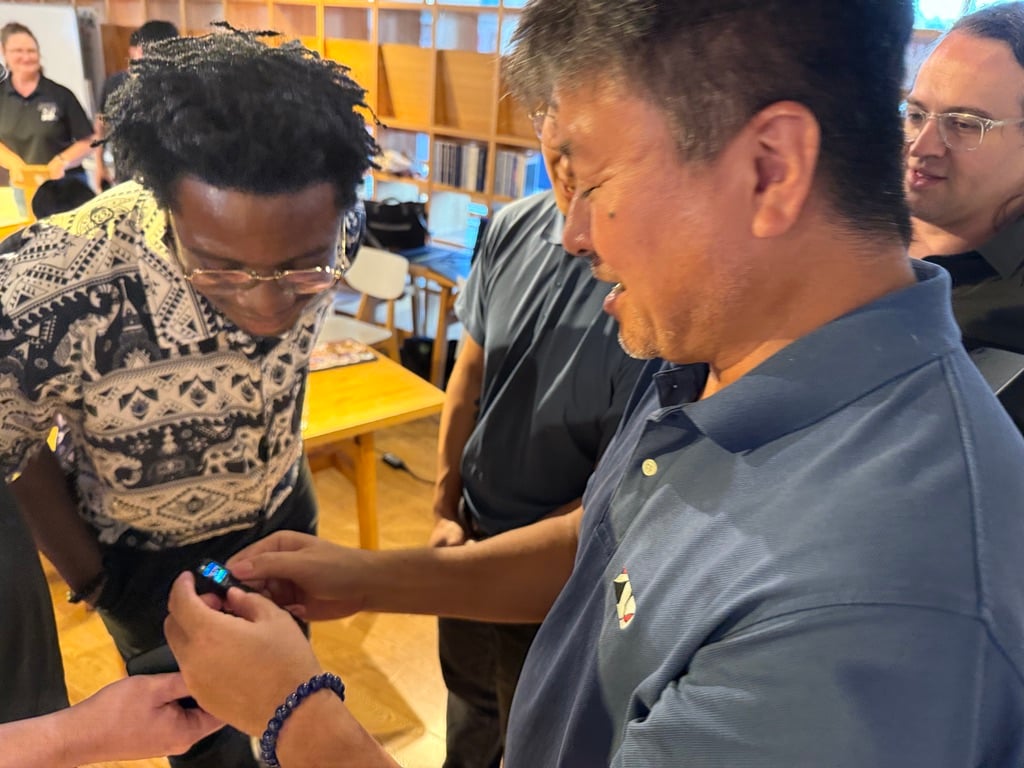
One of the speakers was the CEO of Usufuku Honten, a tuna fishery established in 1882. In 2020 it became the world’s first Atlantic bluefin tuna fishery to be certified by the Marine Stewardship Council, fulfilling the MSC’s global standard for sustainable fishing.
The CEO, Sotaro Usui, is simultaneously down-to-earth and visionary. He gave a 1.5 hour talk, giving us a deep insight into the fishing industry, international tensions, and geopolitics. One day he came by and highlighted innovations, like specially shaped fish hooks that snag tuna but not sea turtles.
Another day we drove to the Oya Coast on the other side of the city. After the tsunami the federal government made plans for a seawall all along the coast. The concrete wall would’ve gone right through the city’s beach, obscuring the view and making access difficult.
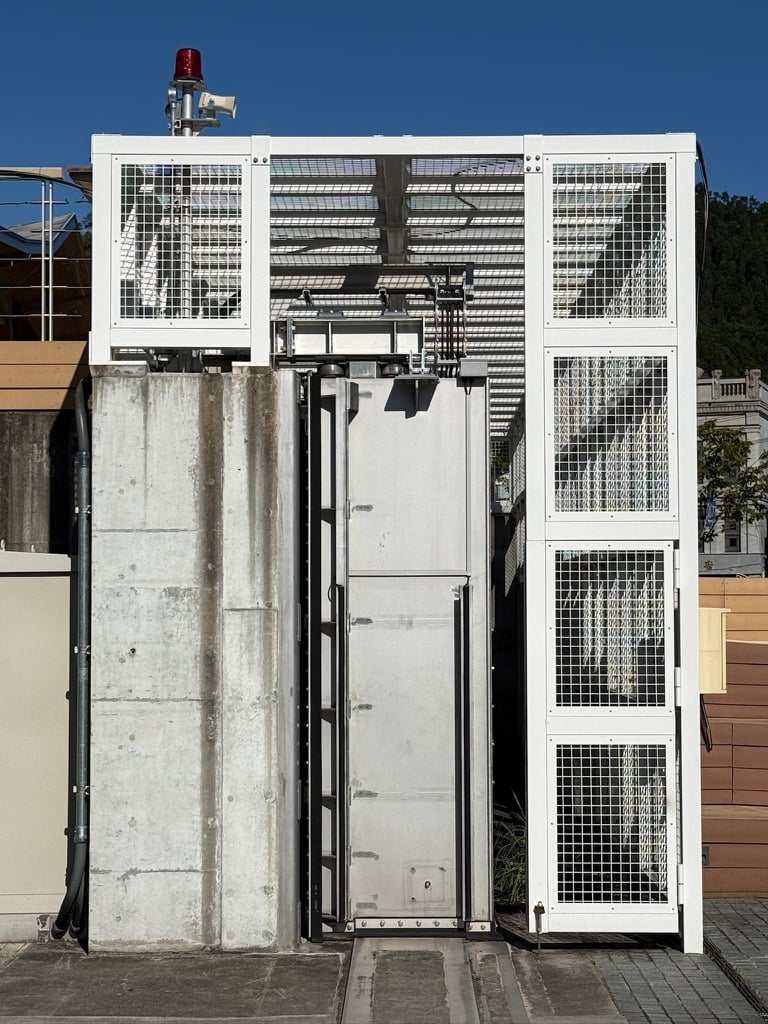
Local citizens and city officials defied the government with, especially in Japan, unprecedented resistance. Together with civil servants, residents did research and found a better solution, a construction that looks remarkably similar to a Dutch dike. Eventually the federal government relented. The effort took five years, with another four for construction, but preserved the beach, the views, and easy access. A local resident and school teacher, Tomoyuki Miura, coordinated the entire process. He’s now a city council member.
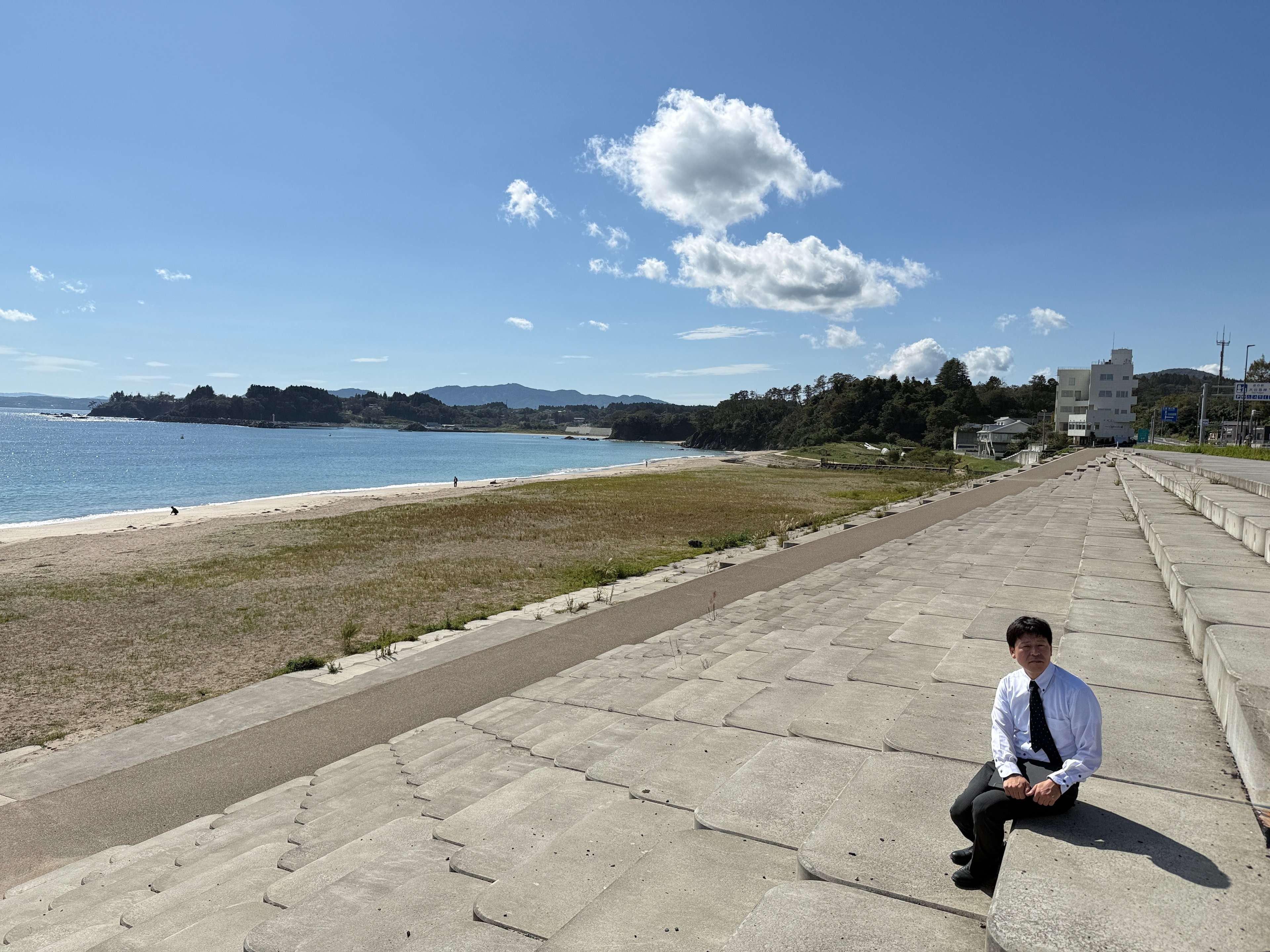
The Oya Coast effort is an example of city officials and local residents collaborating. It was an ambitious and ultimately successful drive to find a friendly environmental solution. The story became the inspiration for my project in the hackathon. That was an app named Citizen Sentiment, developed with Pablo’s technical wizardry, explained in this blog post (shout out to Annica for designing the background of my presentation).
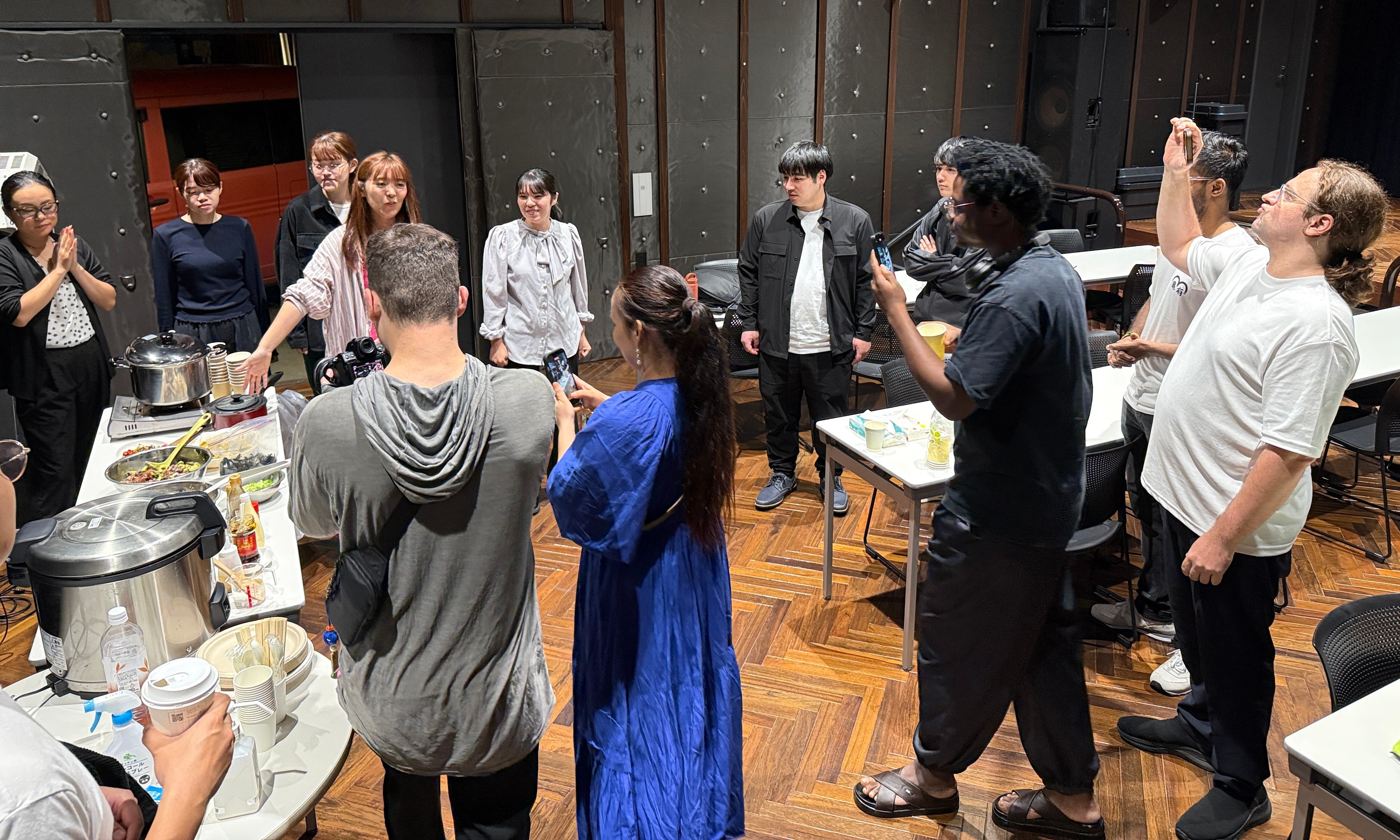
They fed us every night. It was a pleasure. A crew of women prepared dinner daily and we ate in a sound studio near the coworking space. We had an amazing variety of dishes and cuisines. Plus it was super healthy fare! Hemang and Sailesh are vegetarian and they took care of them too.
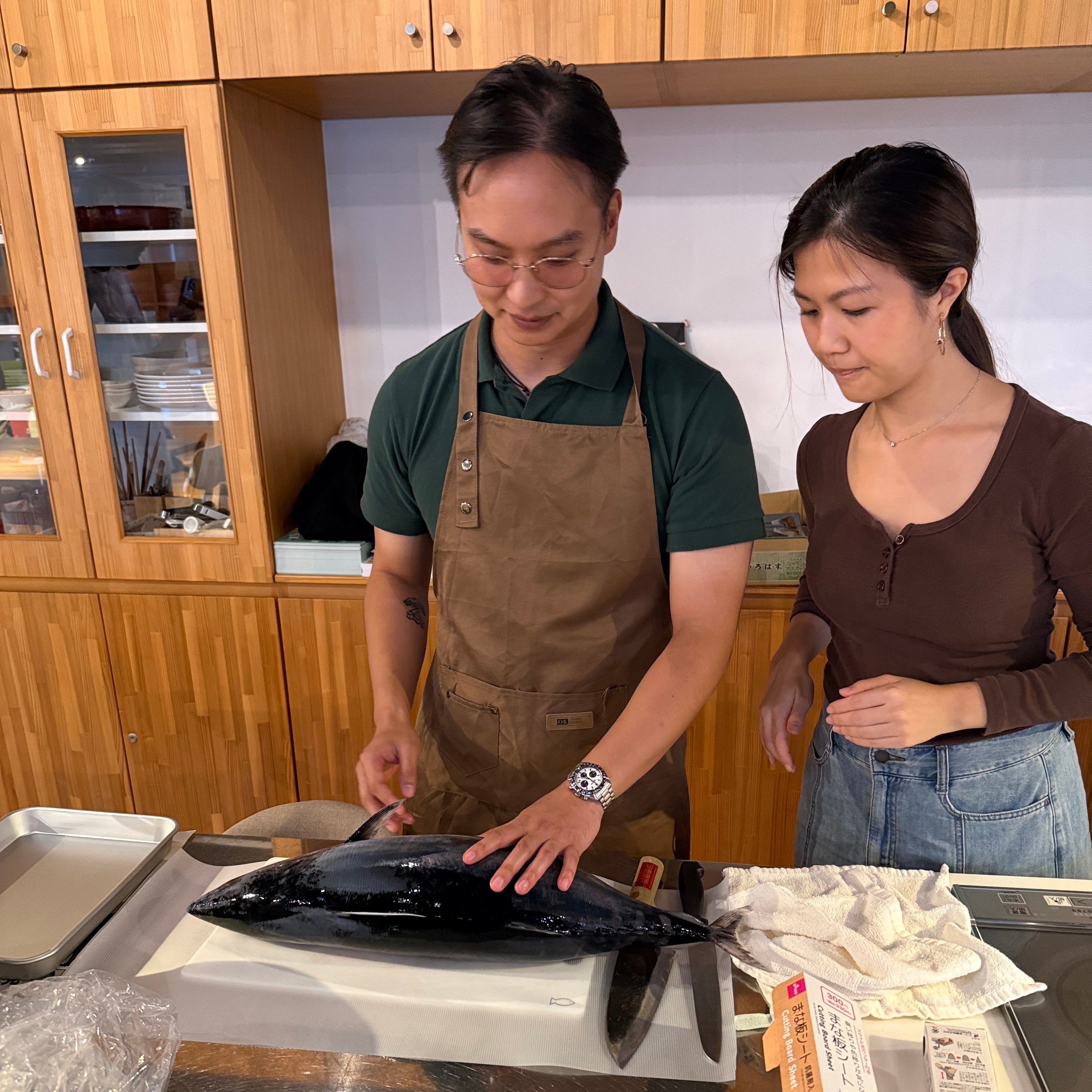
Of course the menu included lotsa fish. Here Jay and Jancis (who are Canadian but live in Kesennuma) filet a bonito purchased at the retail market.
For lunch we were on our own. That made it social where groups would gather at local restaurants, converse, and take it slow.
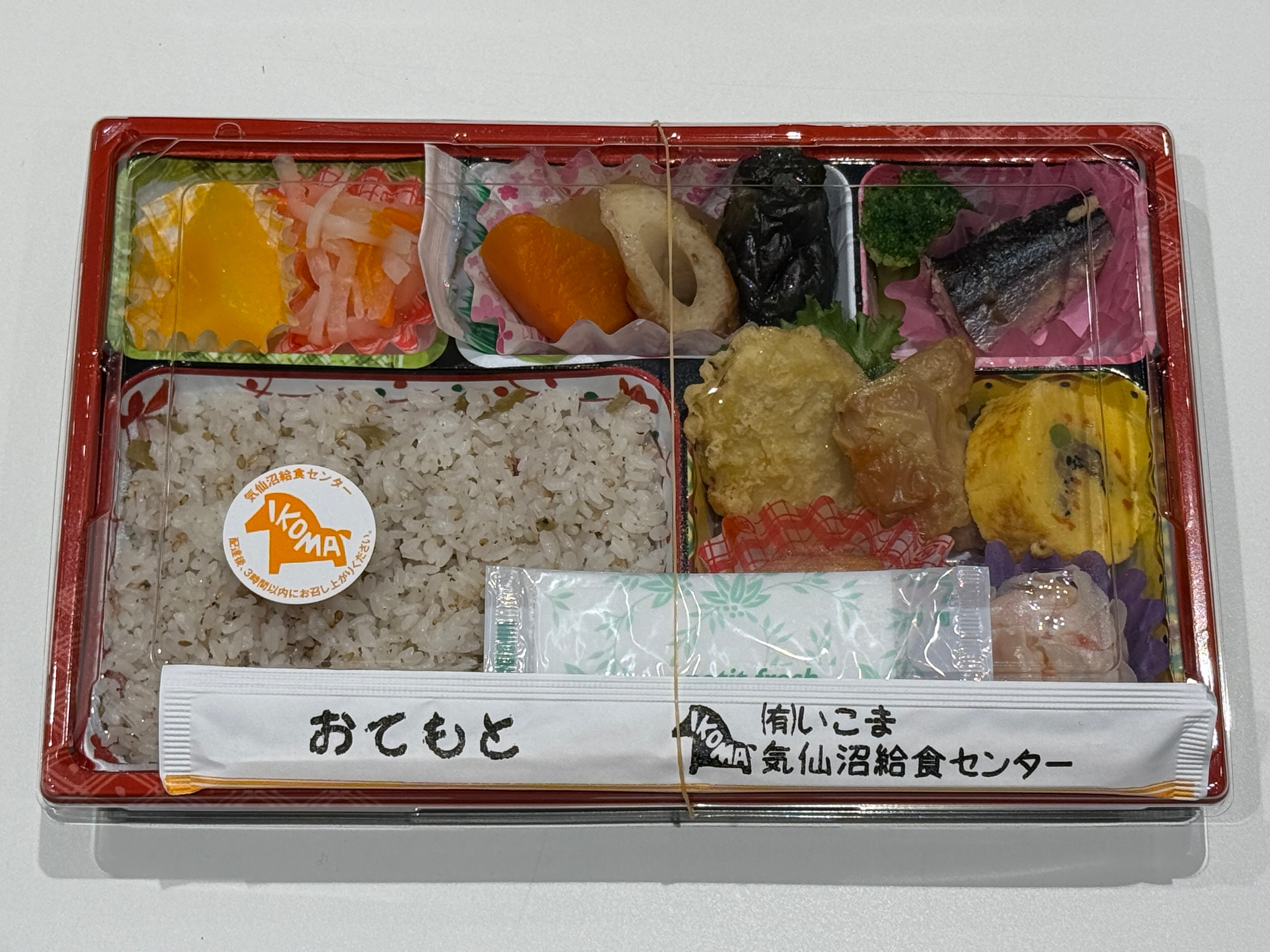
But during build week some of us were feeling the pressure. We preferred to work as we eat so we bought an ‘Obento’ lunch box.
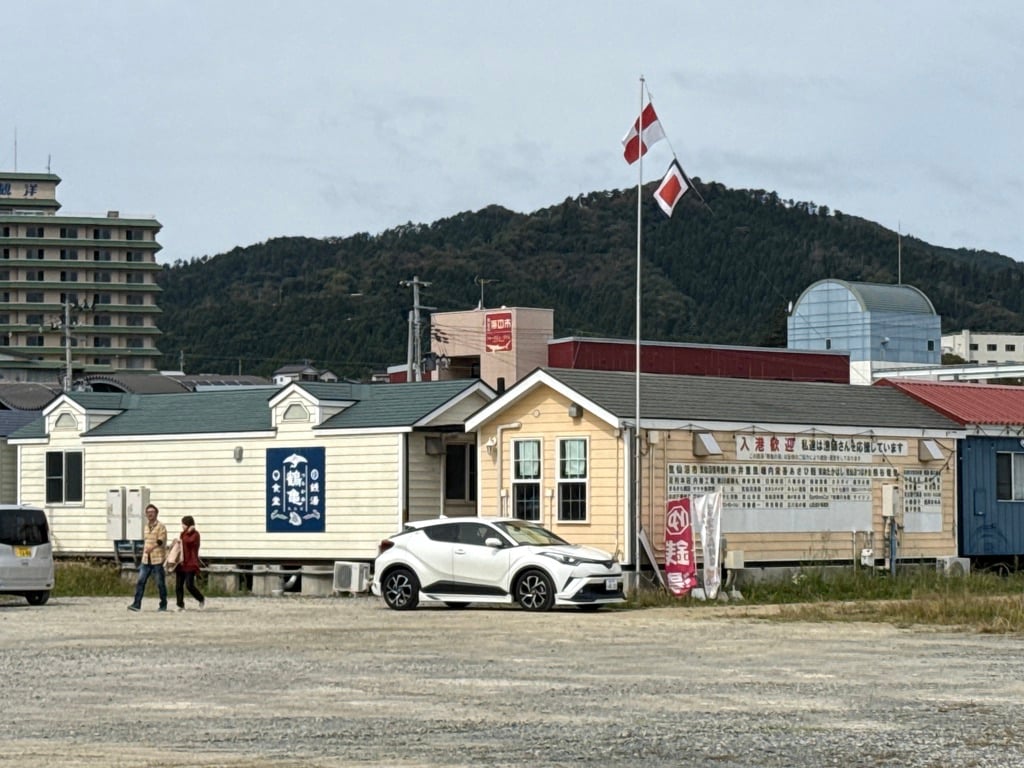
When the Kesennuma waterfront was destroyed by the tsunami the city had to improvise to bootstrap the economy. The fish market was restored and amenities to support fishermen were needed. Local entrepreneurs setup “Mishione Yokochō”. It’s a cluster of trailer houses containing bars and restaurants with an alleyway connecting them. The enclave includes an ‘Ofuro’, a public hot bath (I went there after a run one day). Fifteen years later, the places are still going strong.
On Saturday night a big group of us went drinking at Mishione Yokochō. It’s totally cool, almost a cyberpunk environment that’s perfect for bar-hopping because all the places are next door to each other. Our first stop was a whisky bar. I found out that Inoue-san has superb taste in Scotch. He brought a round of drinks. I took a sip and was astonished at the smoky, rich, peaty flavor. What is this? It turned out to be Ardbeg, from the Isle of Islay, my favorite single malt!
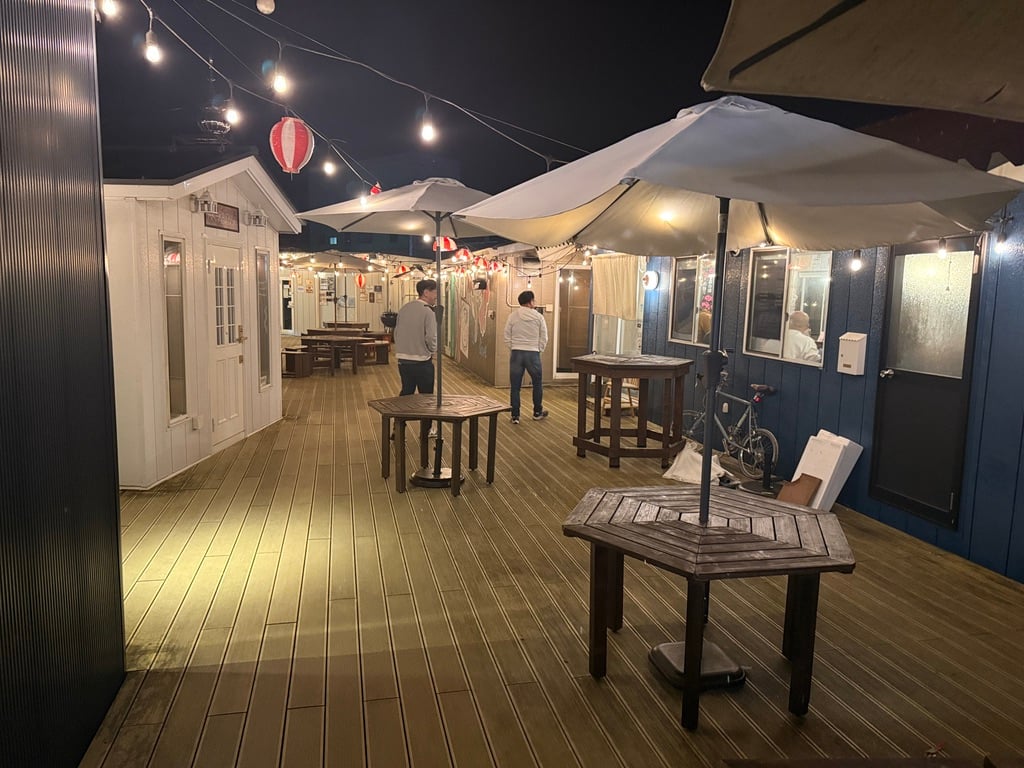
Mishione Yokochō is unique to Kesennuma. We had a convivial evening and our large group drank and ate a lot. We never saw a check. Later I heard that Inoue-san took care of it. Arigato gozaimasu! 🙏
The hackathon was held in a building named Pier 7. It’s a multifunctional facility housing cafes, restaurants, shops, the Square Ship coworking space, and a gym/event hall,
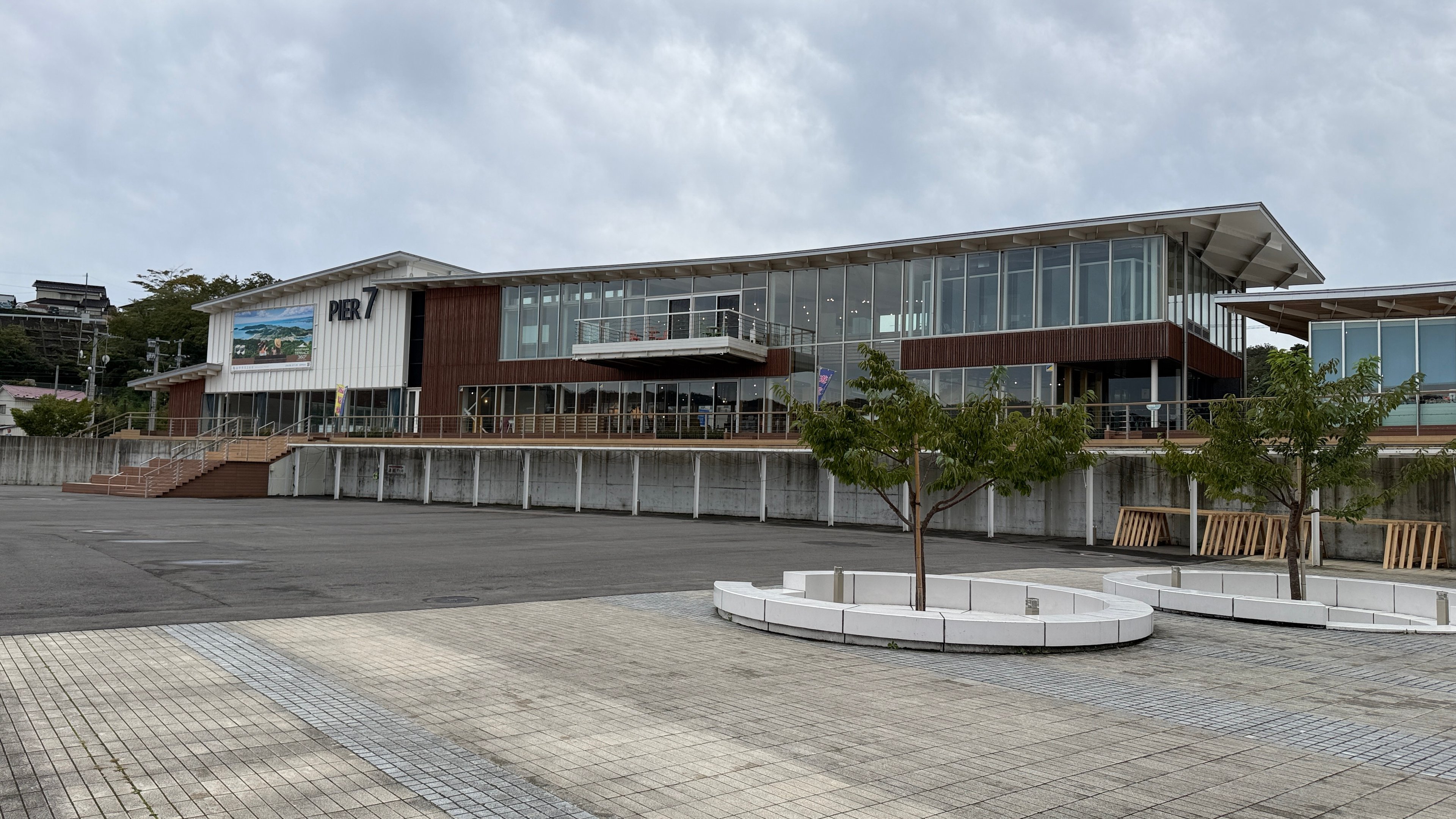
We took over half of the coworking space every day, used a classroom upstairs for workshops, and hung out in the lobby and venues.
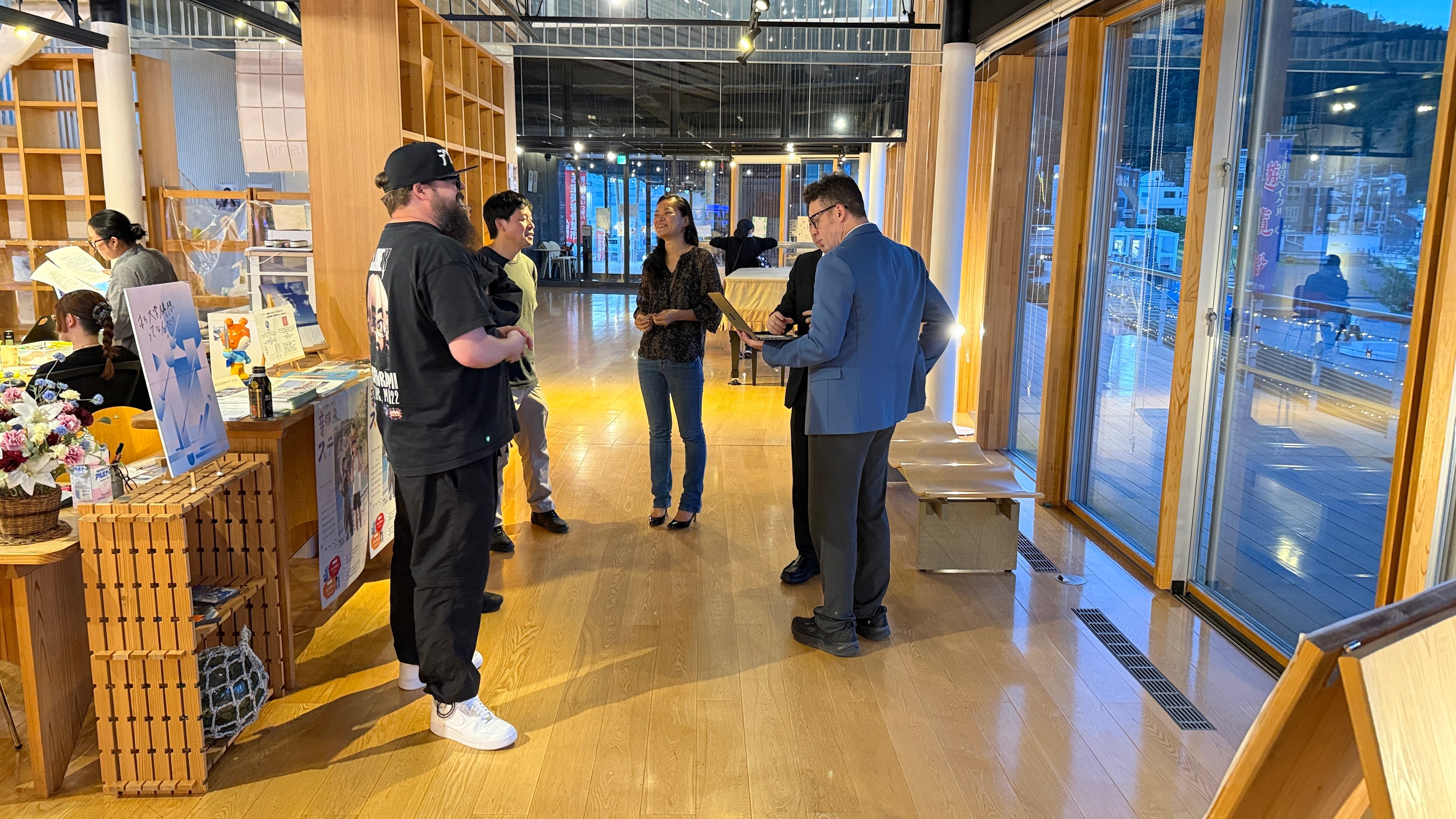
Far left are super supportive Square Ship personnel.
Pier 7 is a replete resource for the local community, especially Square Ship, which sponsored us for two weeks. They also allowed Ron’s 3D printer to run all night, even notifying us when it went frizzy. One evening we had to vacate the space because it was used for a seminar. It turned out to be a session on Claude AI. Coincidentally, we used Claude to build the Citizen Sentiment app.
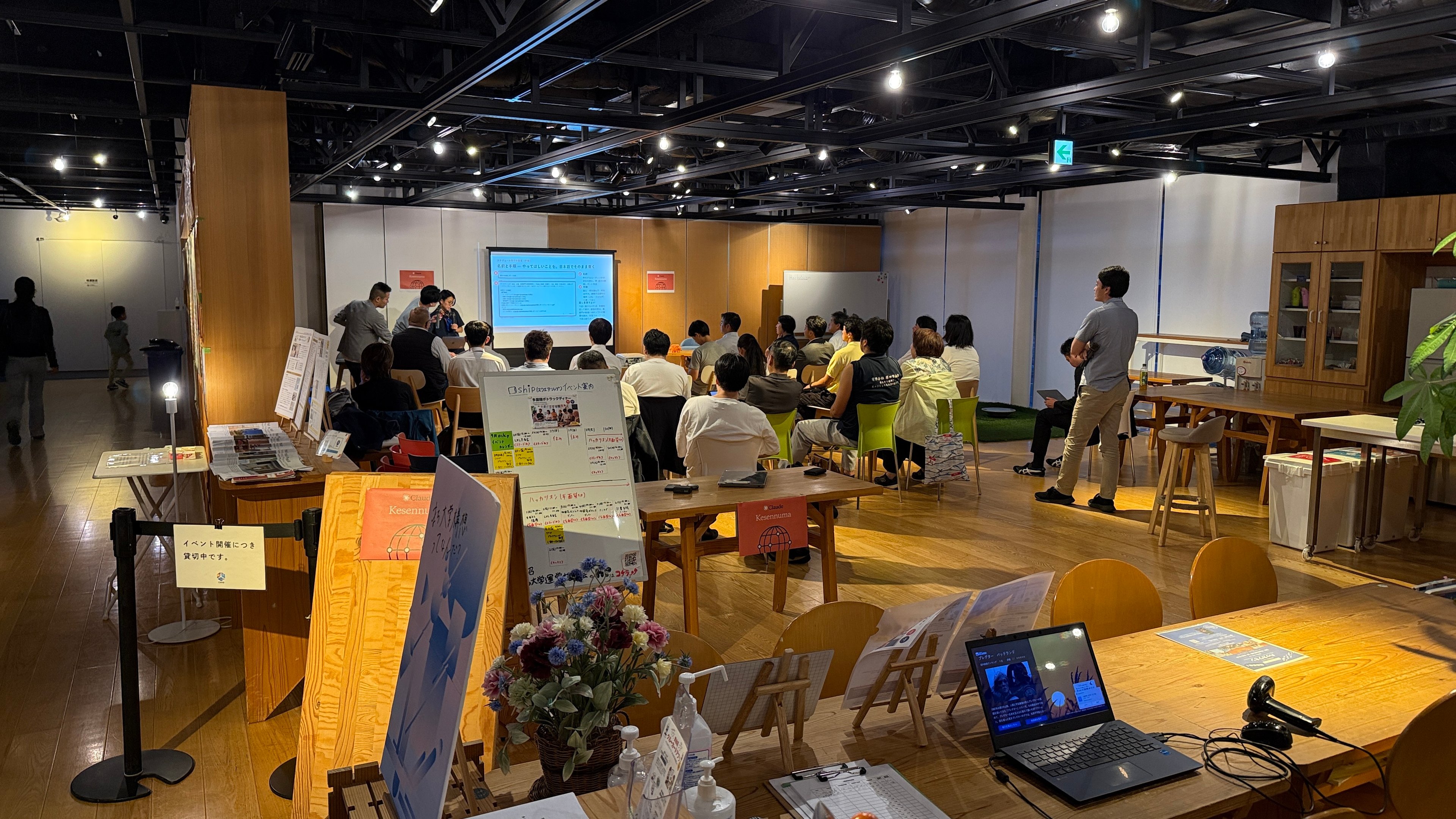
The Hackatsuon concluded with presentations of all the projects. The event was attended by Mayor Shigeru Sugawara, Chairman Akihiko Sugawara (Kesennuma Chamber of Commerce and Industry), city officials, and interested public. 80 people showed up.
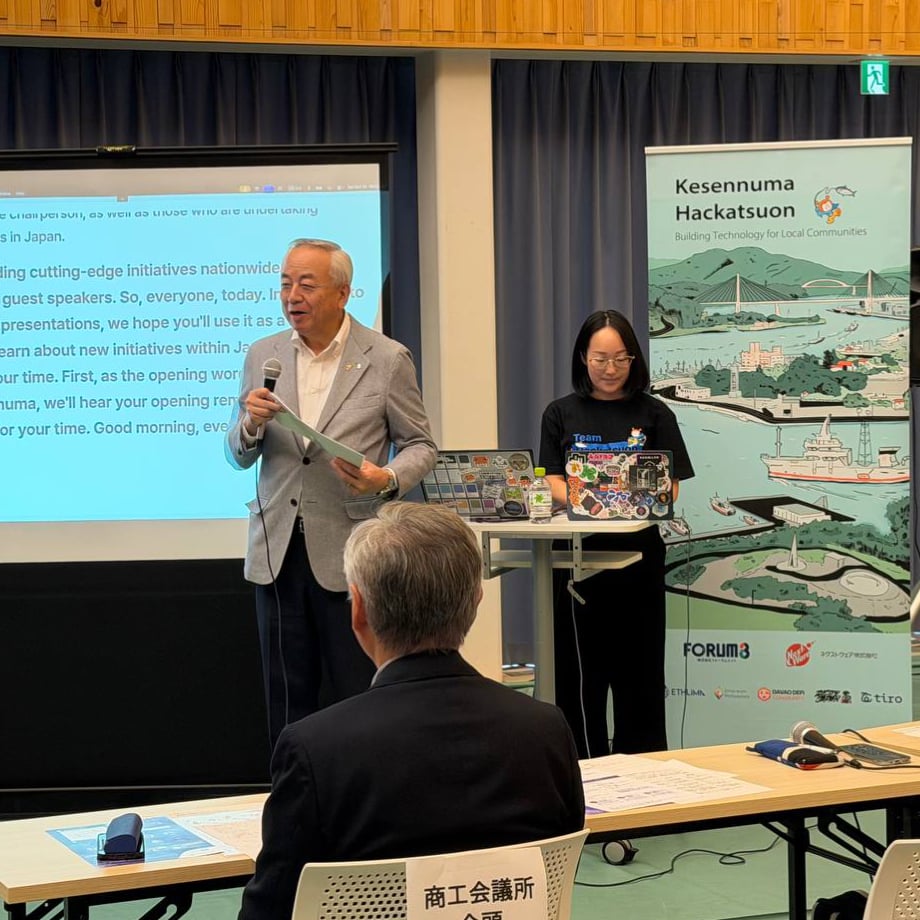
All the presentations had to be in Japanese, or dual language. During the talks real-time translation appeared on a screen next to the speaker. The Hackatsuon had a free license for Tiro translation software provided by cofounder Yuna. It switched back and forth from Japanese to English, so we could understand Mayor Sugawara and other Japanese speakers during their talks.
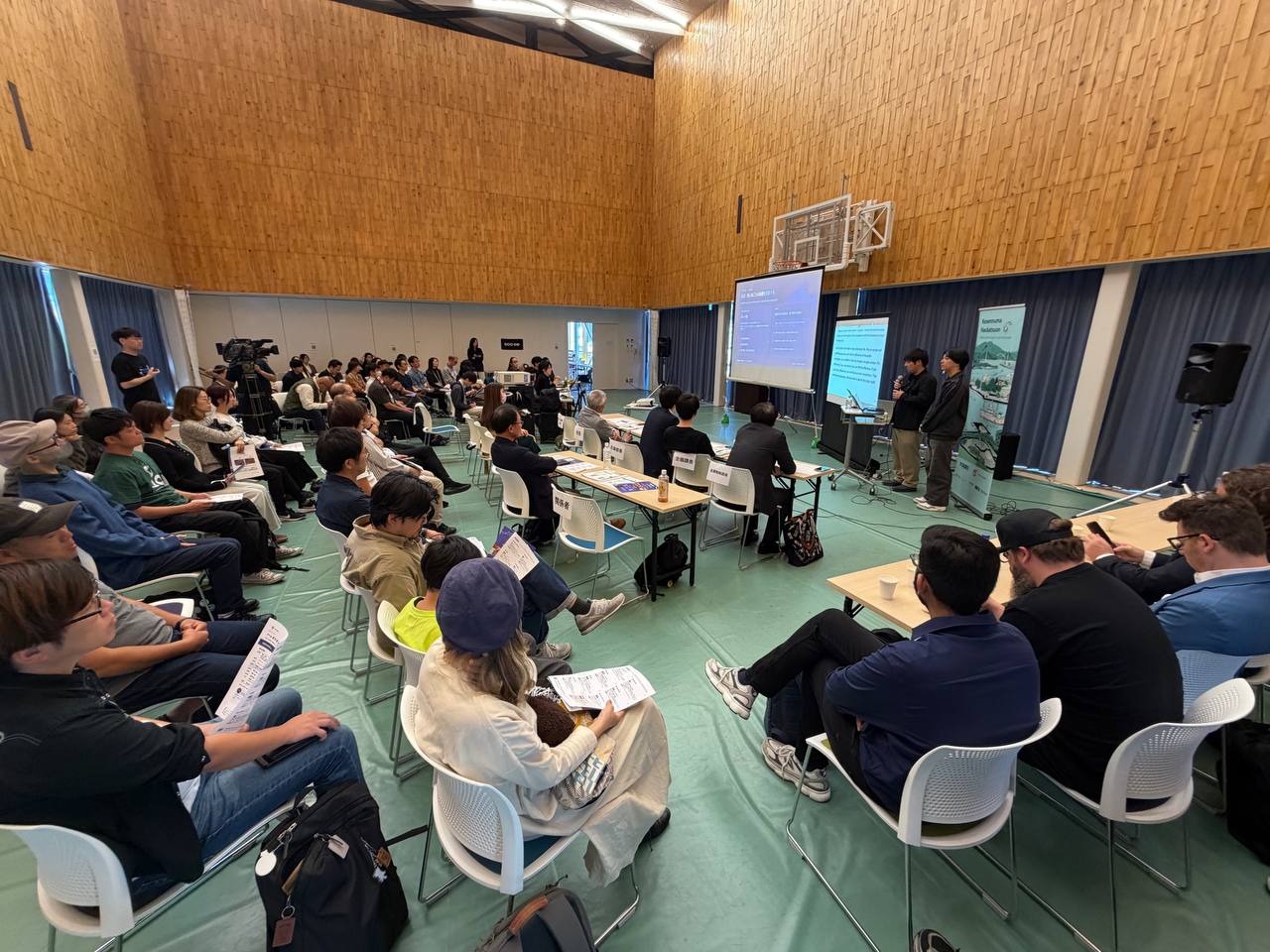
After a lunch break we all returned to the hall for the prize ceremony. The winners are:
🏆 Mayor’s Award: Citizen Sentiment from Kit
🏆 Hackatsuon Award: Hoya Botto from Ron and Galaxsi from Justin & Eric
🏆 Citizen’s Award: Kesenmemento from Jay & Sailesh
For a full listing of all the projects see the Project Showcase prepared by Seiya, the hackathon technical lead.
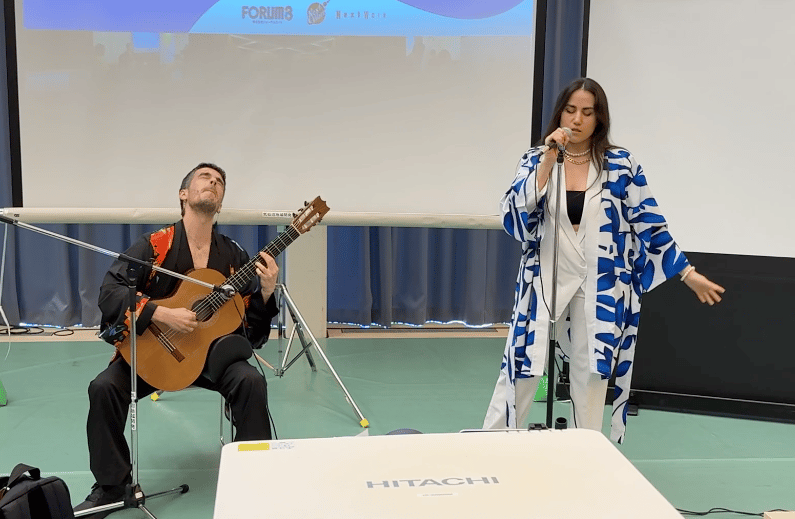
After the prizes we were treated to a dulcet concert by Dúo Dø Musica. They performed at last year’s Hackatsuon. This year they visited Kesennuma as part of their Japan Tour.
Back in the coworking space, Demo Day ended on a festive note. Carolyn supplied free beer from Black Tide Brewing!
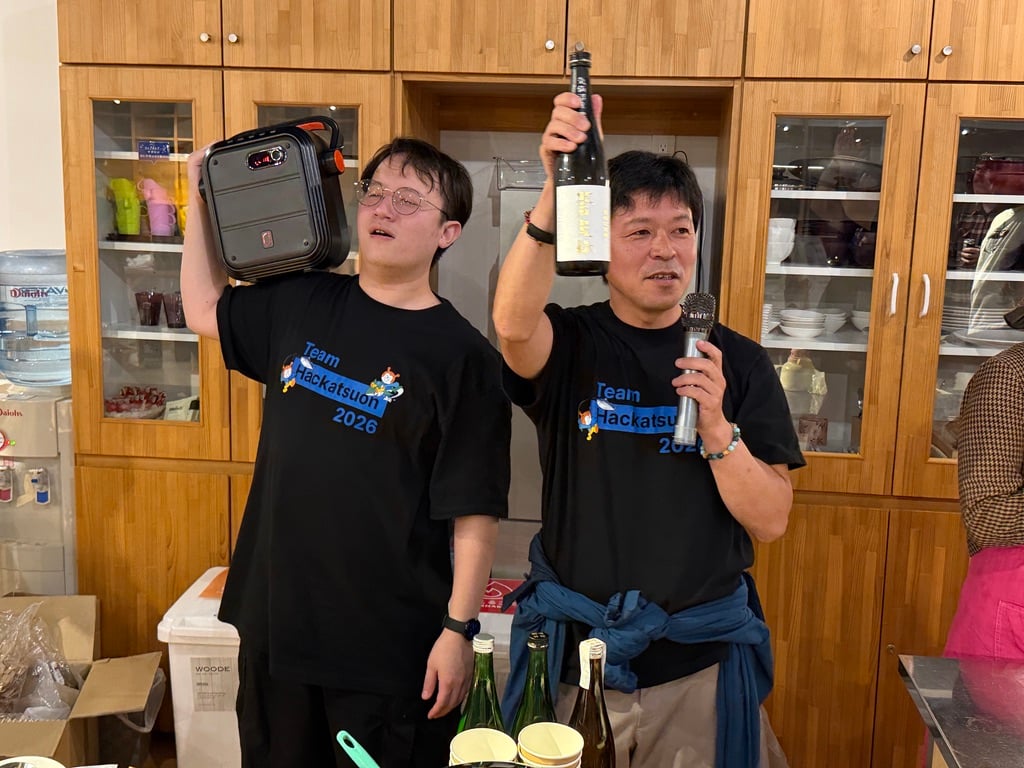
It was an eminently successful hackathon. Everybody involved, the organizers, hackers, city officials, kitchen crew, and other volunteers worked really hard. The process was rewarding and it paid off big time! 👏👏👏
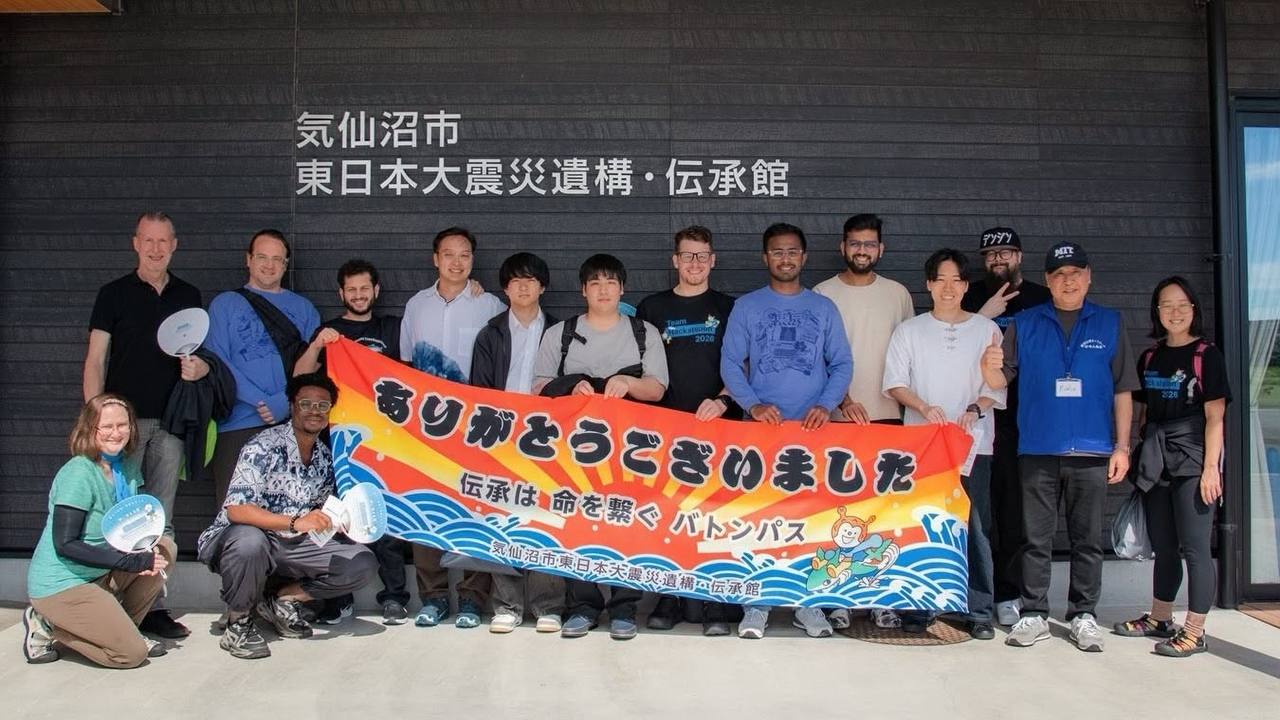
Hackathon participants and contributors
Front row: Carolyn and Pablo.
Standing: Kit, Eric, Ron, Jay, Hibiki, Shoya, Justin, Sailesh, Hemang, Kappy, Denjin, Eddie (our entertaining tour guide), and Hikari.
Not present: Megumi Ishimoto, Junko Nagao, Annica Dong, Yui Design, Kei, and many other motivated people!