Start typing to search this publication.
Brandon Donnelly logo Brandon Donnelly
Open menu
Brandon Donnelly logo

Subscribe to Brandon Donnelly

Get new posts delivered straight to your inbox.

Brandon Donnelly — Daily insights for city builders. Published since 2013 by Toronto-based real estate developer Brandon Donnelly.

Which languages would you want your child to learn today?

  • Economics
  • Personal
  • English

At some point, AI and AirPods are bound to perfect real-time language translations and make learning another language superfluous. But I don’t know, call me old school, there’s something so beautiful about languages. Yesterday, I ran a Twitter poll asking: After English and French, which language would you want your child to learn today?

This was an obviously self-serving question. We are already thinking about where our 5-month-old is going to go to graduate school and which linguistic abilities will be most beneficial when she sets up a satellite office for her startup and competes globally as a pianist — that is, before she returns to Canada to run for Prime Minister.

We are Canadian, so English and French are a given. Then what? If you sort language importance by economic output and geographic reach, you’ll get a top five list that looks something like this: English, Mandarin Chinese, Spanish, German, and French.

So I picked the remaining top three and then added Italian because my wife speaks it and I didn’t want to get in trouble. The small sample size of responses was not surprising. Mandarin and Spanish easily dominated, and there’s a fun case to be made for either.

But languages are tough to learn and maintain, and the only way to master one is full immersion. So I think the more relevant question is, which language is she most likely to be immersed in?

In other words, which one will have her thanking us later for the childhood torture? Ultimately, that’s a question about where the world is heading, and all signs point to a continued economic duopoly between the US (where Spanish is useful but not mandatory) and China.

Which language would you pick?
Cover image for Waymo is coming to Toronto, but it won’t fix car dependency

Waymo is coming to Toronto, but it won’t fix car dependency

  • Mobility
  • Toronto
  • Autonomous vehicles

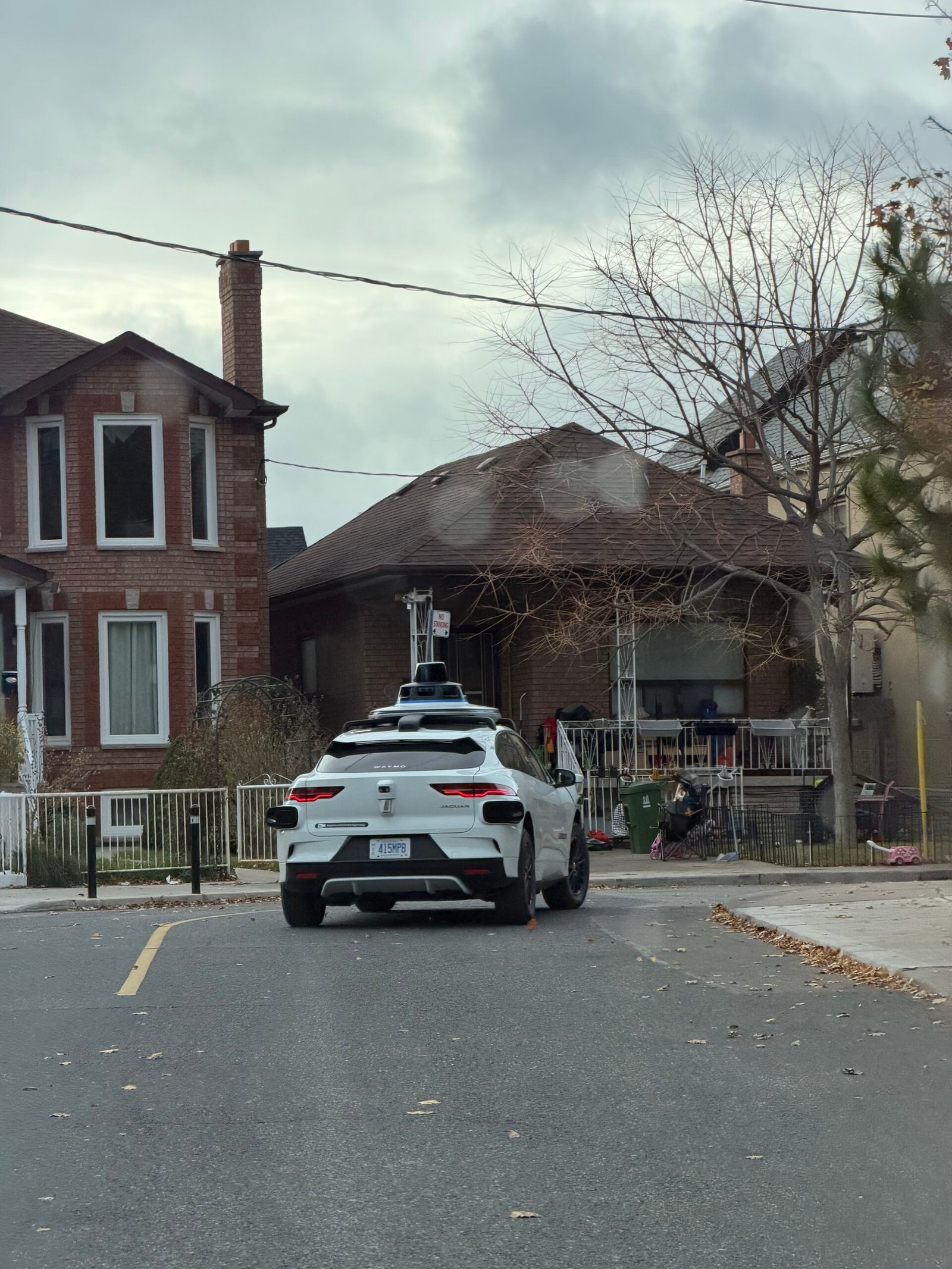
I saw my first Waymo training vehicle over the weekend in Toronto. There was a human in the driver’s seat, and collectively they seemed to be obeying all of the rules of the road in a cautious and predictable manner.

If you’re a regular reader of this blog, you’ll know that I’m excited about the rollout of autonomous vehicles in the city for a few reasons: one, it’s the future; two, they’re already dramatically safer than human drivers; and three, I hate driving and would love to never have to drive again. I also think that right now is the absolute perfect time for Toronto to finally implement road pricing.

But we should also be clear about what autonomous vehicles won’t mean for Toronto. In the early days of Uber and the promise of self-driving cars, there was a core belief (or at least a marketing proposition) that ride-hailing and the like would reduce private car ownership.

We now know that isn’t the case. Once the venture capital subsidies dried up, Uber became more expensive and less luxurious, eliminating a cost incentive to change. And to date, Waymo pricing is on par with or even higher than Uber, despite there not being a driver.

What we know definitively is that the most effective way to reduce car ownership and dependency is to combine dense, mixed-use communities with effective public transit and support for other non-car forms of mobility.

Autonomous vehicles will certainly have an impact on our cities, and in ways we are not yet thinking about, but I have yet to see evidence for a more efficient built form and mobility approach than the one cities have been building since they were first created.

Cover image for What two mid-rise infill projects tell us about New York and Toronto

What two mid-rise infill projects tell us about New York and Toronto

  • Architecture
  • New york
  • Toronto

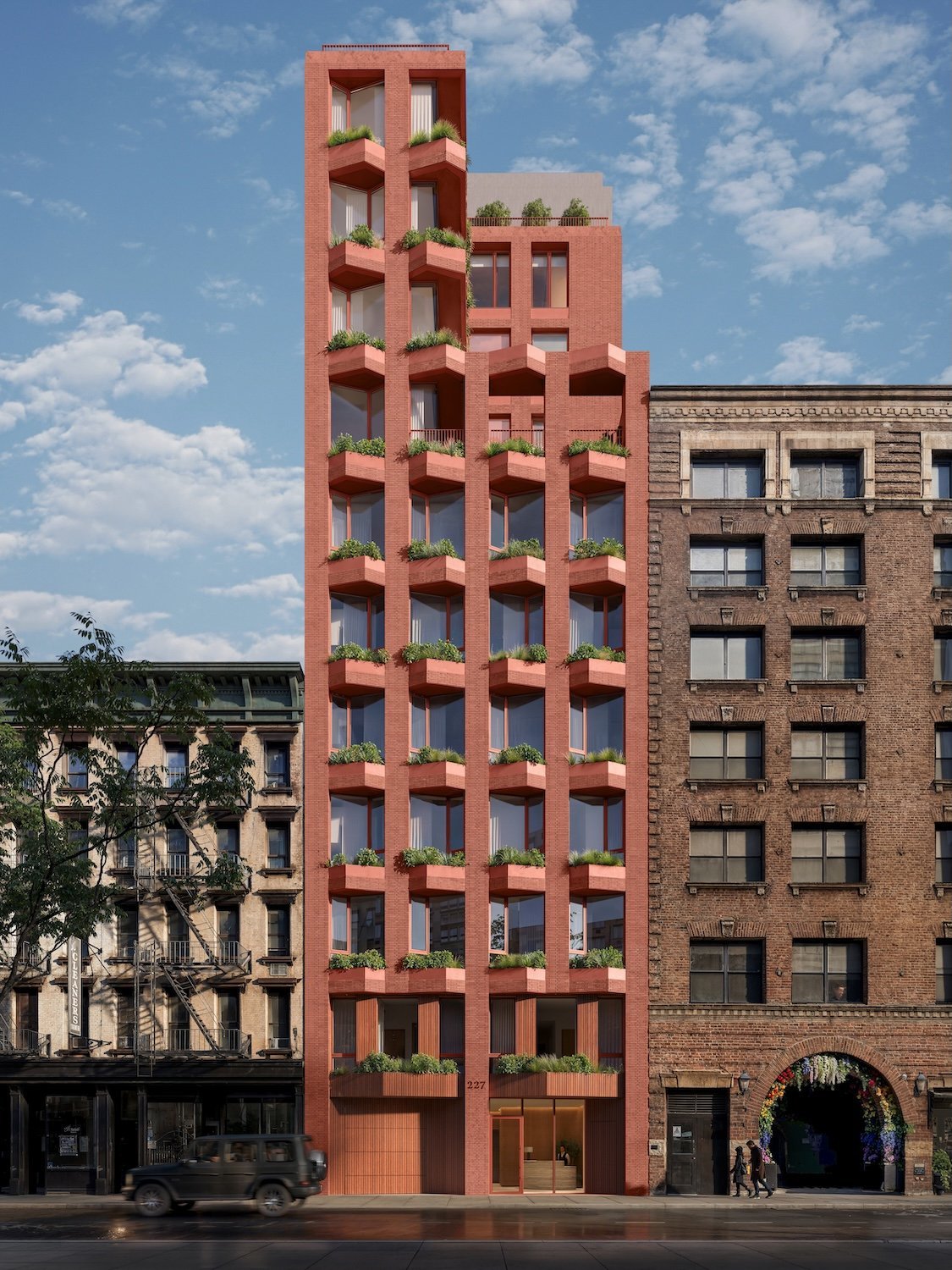
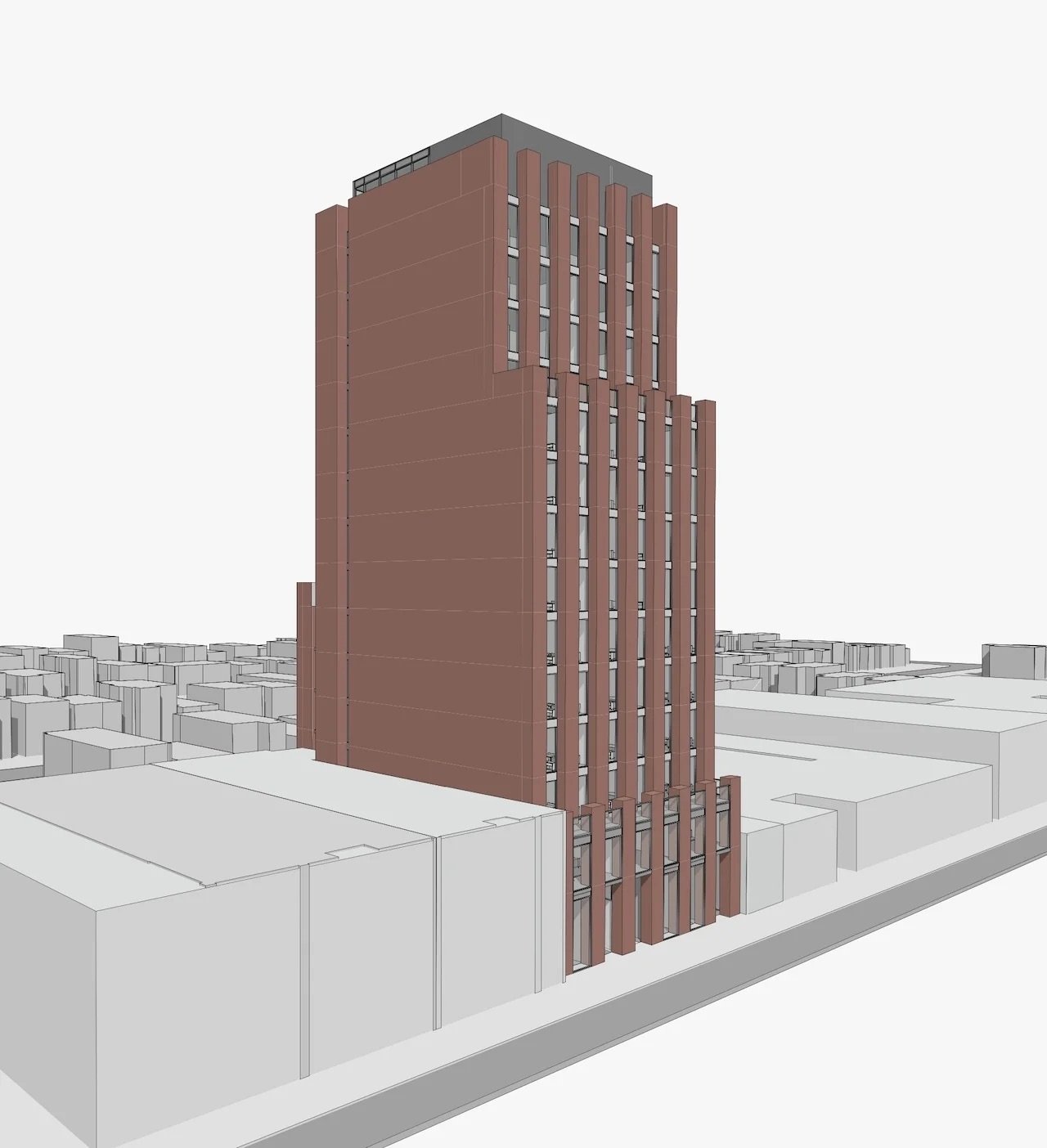
This under-construction 11-storey residential building in Chelsea (Manhattan) reminded me of the 14-storey building I recently blogged about that is proposed for 2273–2279 Bloor Street West here in Toronto.

Now, the latter is a bigger building at around 70,000 square feet versus just under 40,000 square feet for the former, but they are both urban infill sites next to transit and they both have site depths that appear to be around 30 metres (I was specifically curious about this).

One key difference is that 227 West 19th Street is under construction on a street that is already fully built out at a similar scale, whereas the proposal on Bloor Street is a pioneering project. It represents what the area will surely look like in the future.

The other key difference is the kind of housing they will deliver. In the case of New York, only 8 condominium homes are being built across the 11 storeys; in the case of Toronto, 60 homes are being proposed (which, I believe, are rental).

Put differently, Manhattan is de-densifying through ultra-luxury boutique projects, and Toronto is trying to graduate from a “city of neighbourhoods” characterized by single-family homes and low-rise main streets into a true polycentric global city.


New York rendering via DN8 Agency; Toronto rendering via Toronto’s Application Information Centre

Subscribe to Brandon Donnelly

Daily insights for city builders. Published since 2013 by Toronto-based real estate developer Brandon Donnelly.