
 Invest in Music
X Li - think i’m in love with you
X Li joined Sound with a bang this week, becoming the first artist to receive over 3,000 mints on a Sound genesis drop, topping every Sound chart for the week with new track “think i’m in love with you.” 80s synth ear candy and acoustic guitar create a carefree atmosphere for lovesick lyrics to dance with youthful nostalgia. “My heart is beating, I am falling. Think I’m in love with you” muses X Li while contemplating the urgency of expressing his true feelings.think i'm in love with you...
 Invest in Music
Our Next Chapter
To the Invest in Music community, Thank you for your support over the last 14 months. When we launched Invest in Music we had one goal. Creating a home for the onchain music community. After 58 podcast episodes, over 60 newsletters, artist spotlights, and thousands of mints across all our different series - we’re very proud to have delivered on that promise. We’d like to give a special thanks for Sound, Pods, Spinamp, Mirror, Bello, Optimism and NFT Now for being key partners in our journey. ...
 Invest in Music
Onchain Music Year in Review
Reflecting on a transformative year for onchain music. What started as a niche trend has subtly grown into a strong ecosystem of artists, projects and communities passionate about the next generation of music. In this report - we’ll break down some highlights from 2023. Giving you an overview on many of the major milestones and accomplishments from the past year. Please note this list is non-exhaustive. We put out a form for projects to be included in our recap and if we missed you - we hope ...
Where fans become collectors.
Invest in MusicX Li - think i’m in love with you
X Li joined Sound with a bang this week, becoming the first artist to receive over 3,000 mints on a Sound genesis drop, topping every Sound chart for the week with new track “think i’m in love with you.” 80s synth ear candy and acoustic guitar create a carefree atmosphere for lovesick lyrics to dance with youthful nostalgia. “My heart is beating, I am falling. Think I’m in love with you” muses X Li while contemplating the urgency of expressing his true feelings.think i'm in love with you...
Invest in MusicOur Next Chapter
To the Invest in Music community, Thank you for your support over the last 14 months. When we launched Invest in Music we had one goal. Creating a home for the onchain music community. After 58 podcast episodes, over 60 newsletters, artist spotlights, and thousands of mints across all our different series - we’re very proud to have delivered on that promise. We’d like to give a special thanks for Sound, Pods, Spinamp, Mirror, Bello, Optimism and NFT Now for being key partners in our journey. ...
Invest in MusicOnchain Music Year in Review
Reflecting on a transformative year for onchain music. What started as a niche trend has subtly grown into a strong ecosystem of artists, projects and communities passionate about the next generation of music. In this report - we’ll break down some highlights from 2023. Giving you an overview on many of the major milestones and accomplishments from the past year. Please note this list is non-exhaustive. We put out a form for projects to be included in our recap and if we missed you - we hope ...
Where fans become collectors.

Subscribe to Invest in Music
Subscribe to Invest in Music
>11K subscribers
>11K subscribers
Share Dialog
Share Dialog

Music NFTs became the topic of conversation around how artists should monetize using web3 today.
To summarize - a series of Tweets spurred dialog from prominent founder, trader, and investor Cobie around the viability of Music NFTs.
This sparked a wider surge of opinions from the web3 community on Music NFTs.
This week’s edition summarizes the best of them.
First - some thoughts without the Twitter character limit.
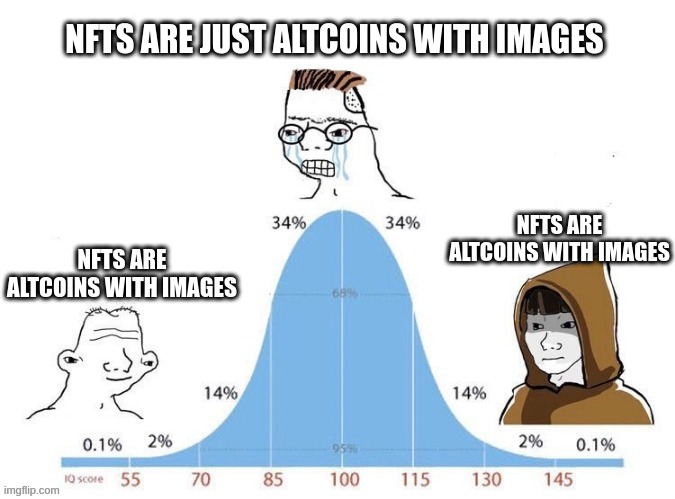
Most “Music NFTs” today are altcoins with sound. You mint a song with a fixed number of digital collectibles on a platform like Sound.xyz. People buy those collectibles, some with the intent of supporting the artist, but most with the intent of hopefully selling them for more at a later date.
This is the same behavior we’ve seen in crypto for ages, whether it was ICOs, DeFi tokens or PFPs. If you’re a trader, the primary reason to buy any token is to trade the metagame.
However, not all collectors are traders. 1/1 marketplaces like Catalog offer an alternative. Royalty-backed NFTs on Royal offer a fixed return.
For what it’s worth - I agree with Cobie. The vast majority of Music NFT volume will likely come (and has come) from semi-fungible token speculation, aka limited collectible songs.
There’s a misconception that Music NFTs are meant to replace streaming. This is incorrect. They are simply a net new revenue stream to provide an artist with additional income on top of the existing system. The more streams a song has, the more valuable the Music NFT should be.
Now - why would anyone buy a token of a song that has no rights? For the same reason people buy CryptoPunks, Bored Apes, and to some degree - ETH. To flex that you have the song (status) and hope to make money along the way (speculation).
Realistically - very very few people care about flexing songs. But, some really do (I am one of them). Prior to web3, my life was as a curator. I found emerging talent, wrote about them on blogs like ThisSongIsSick, and reposted them on SoundCloud. The same behavior still exists, except now I get to collect a token to prove that I actually discovered that song when it was released. In the best-case scenario, my NFTs have been the vehicle through which I formed a genuine relationship with my favorite artist(s).
Now it’s up to us to do something about it instead of talking about how it *could* work.
If you’re looking to show someone what the movement sounds like - I spun up a Music NFT Starter Pack playlist on Spinamp.
Happy collecting!

 : 1/10)

 Free content Maximize distribution Monetize via web3

In this episode of The Scoop, Grammy award winning DJ and Audius Advisor RAC, and Audius Co-Founder and CEO Roneil Rumburg examine the limitations of centralized music streaming platforms and explain...
This Week in Music NFTs is free to subscribe. To stay ahead of the drama, follow me on Twitter!
Music NFTs became the topic of conversation around how artists should monetize using web3 today.
To summarize - a series of Tweets spurred dialog from prominent founder, trader, and investor Cobie around the viability of Music NFTs.
This sparked a wider surge of opinions from the web3 community on Music NFTs.
This week’s edition summarizes the best of them.
First - some thoughts without the Twitter character limit.
Most “Music NFTs” today are altcoins with sound. You mint a song with a fixed number of digital collectibles on a platform like Sound.xyz. People buy those collectibles, some with the intent of supporting the artist, but most with the intent of hopefully selling them for more at a later date.
This is the same behavior we’ve seen in crypto for ages, whether it was ICOs, DeFi tokens or PFPs. If you’re a trader, the primary reason to buy any token is to trade the metagame.
However, not all collectors are traders. 1/1 marketplaces like Catalog offer an alternative. Royalty-backed NFTs on Royal offer a fixed return.
For what it’s worth - I agree with Cobie. The vast majority of Music NFT volume will likely come (and has come) from semi-fungible token speculation, aka limited collectible songs.
There’s a misconception that Music NFTs are meant to replace streaming. This is incorrect. They are simply a net new revenue stream to provide an artist with additional income on top of the existing system. The more streams a song has, the more valuable the Music NFT should be.
Now - why would anyone buy a token of a song that has no rights? For the same reason people buy CryptoPunks, Bored Apes, and to some degree - ETH. To flex that you have the song (status) and hope to make money along the way (speculation).
Realistically - very very few people care about flexing songs. But, some really do (I am one of them). Prior to web3, my life was as a curator. I found emerging talent, wrote about them on blogs like ThisSongIsSick, and reposted them on SoundCloud. The same behavior still exists, except now I get to collect a token to prove that I actually discovered that song when it was released. In the best-case scenario, my NFTs have been the vehicle through which I formed a genuine relationship with my favorite artist(s).
Now it’s up to us to do something about it instead of talking about how it *could* work.
If you’re looking to show someone what the movement sounds like - I spun up a Music NFT Starter Pack playlist on Spinamp.
Happy collecting!
: 1/10)
Free content Maximize distribution Monetize via web3
In this episode of The Scoop, Grammy award winning DJ and Audius Advisor RAC, and Audius Co-Founder and CEO Roneil Rumburg examine the limitations of centralized music streaming platforms and explain...
This Week in Music NFTs is free to subscribe. To stay ahead of the drama, follow me on Twitter!









No activity yet