Writer David Graeber redefines debt by reviewing the practice from an economist to that of an anthropological one to explain how civilizations across history wove the fabric of society with debt, credit, and money. Convention says society started with bartering, then through advances in society and knowledge humans invented debts and credits to keep balances on each other, but evidence shows that societies only bartered with neighboring and sometimes rivaling communities, not within the organization. Instead what Graeber speculates through anecdotal evidence of curtain tribes in Africa is that individuals and families would meet the needs and wants of their neighbors by carrying debt. These manifest in symbolic tokens regardless of their scarcity. The community's agreement gives value to these tokens representing debt such as brass rods, fabric, and bones.
I find this argument compelling in theory as it explains even today's currency of fiat money and cryptocurrency. Both only have value to them to the people who agree with the price and are sent to the transaction for the exchange.
He lost me when he wrote that these communist societies are founded by compassion or as he puts it, love.This is because Adam Smith's invisible hand introduces the notion of omnipotence and that it is all loving in my opinion. Regardless of what one's path is, I guess we are all destined to embrace the passions of the heart.
As always here are my referral code for those that are bull for the multichain thesis!
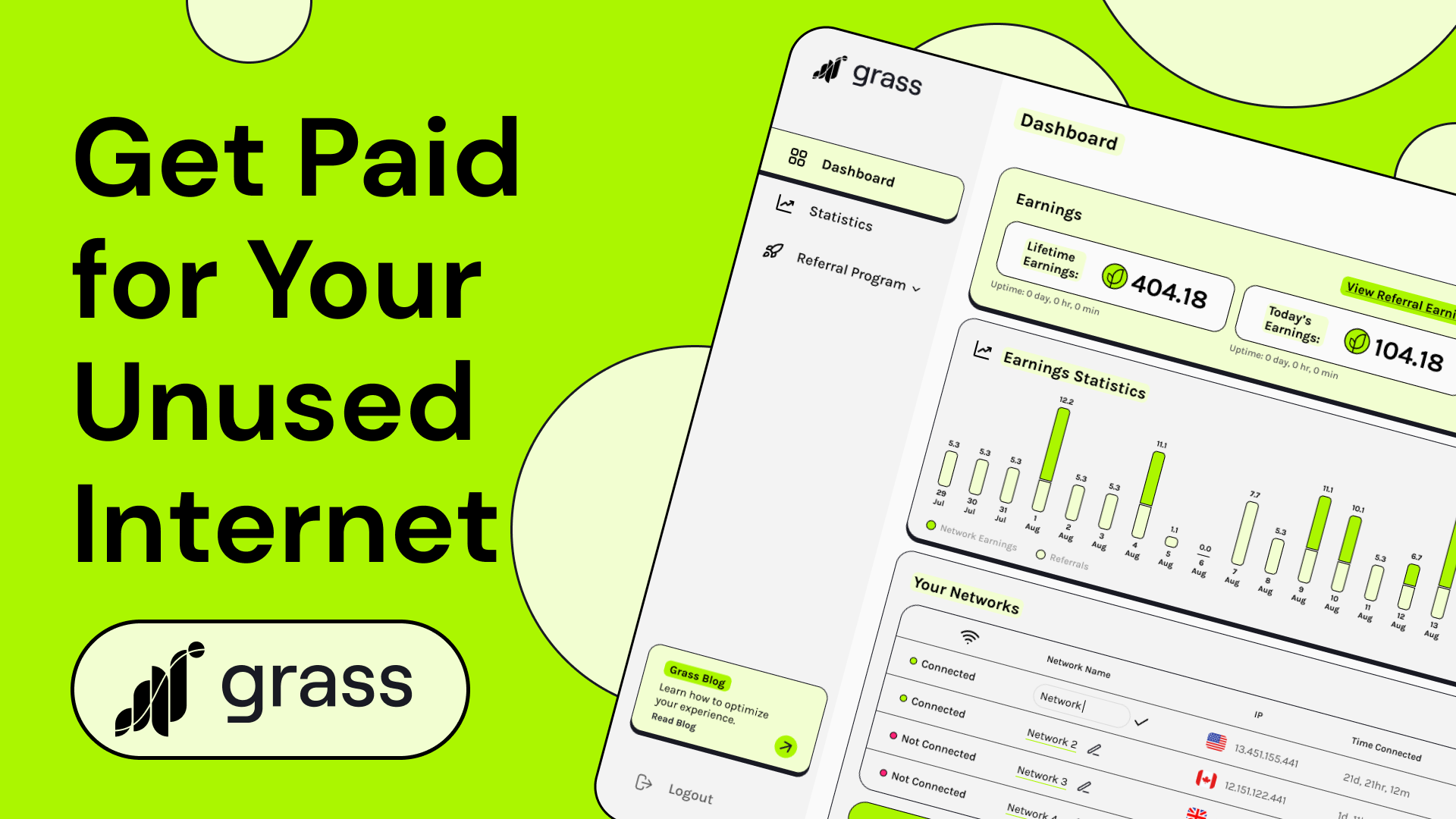
Grass: Earn a Stake in the AI Revolution
Grass is the easiest way to participate in the growth of AI. Join 1,800,000+ users securely monetizing their internet resources.
https://fusion.gobob.xyz/?refCode=4jdbxh
Gyroscope: 9ZCHZR
Lisa STX: ETR78
HydraDX Omnipool - An Ocean of Liquidity
HydraDX is a next-gen DeFi protocol which is designed to bring an ocean of liquidity to Polkadot. Our tool for the job the HydraDX Omnipool - an innovative Automated Market Maker (AMM) which unlocks unparalleled efficiencies by combining all assets in a single trading pool.

SideShift.ai - Direct to Wallet Trading
Trade between BTC, ETH, SOL and 100+ other coins. Sent directly to your wallet.