Start typing to search this publication.
Brandon Donnelly logo Brandon Donnelly
Open menu
Brandon Donnelly logo

Subscribe to Brandon Donnelly

Get new posts delivered straight to your inbox.

Brandon Donnelly — Daily insights for city builders. Published since 2013 by Toronto-based real estate developer Brandon Donnelly. — Page 22

Cover image for Nice, September 2026

Nice, September 2026

  • Photography
  • Nice
  • Family

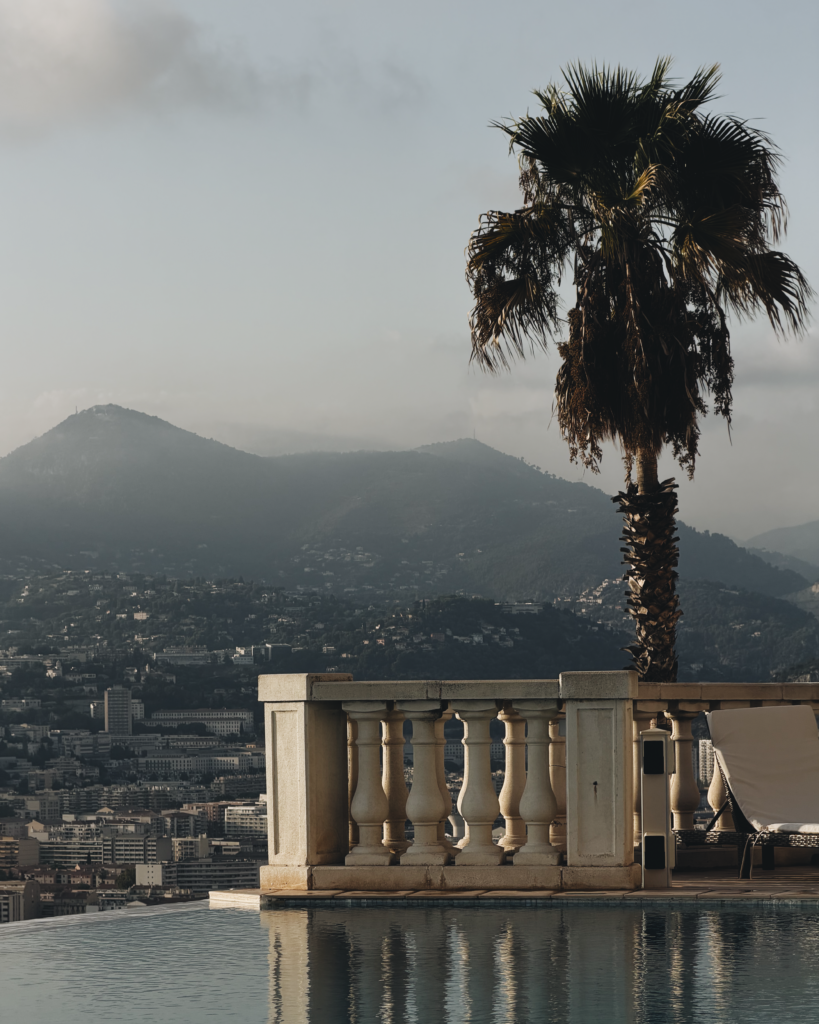
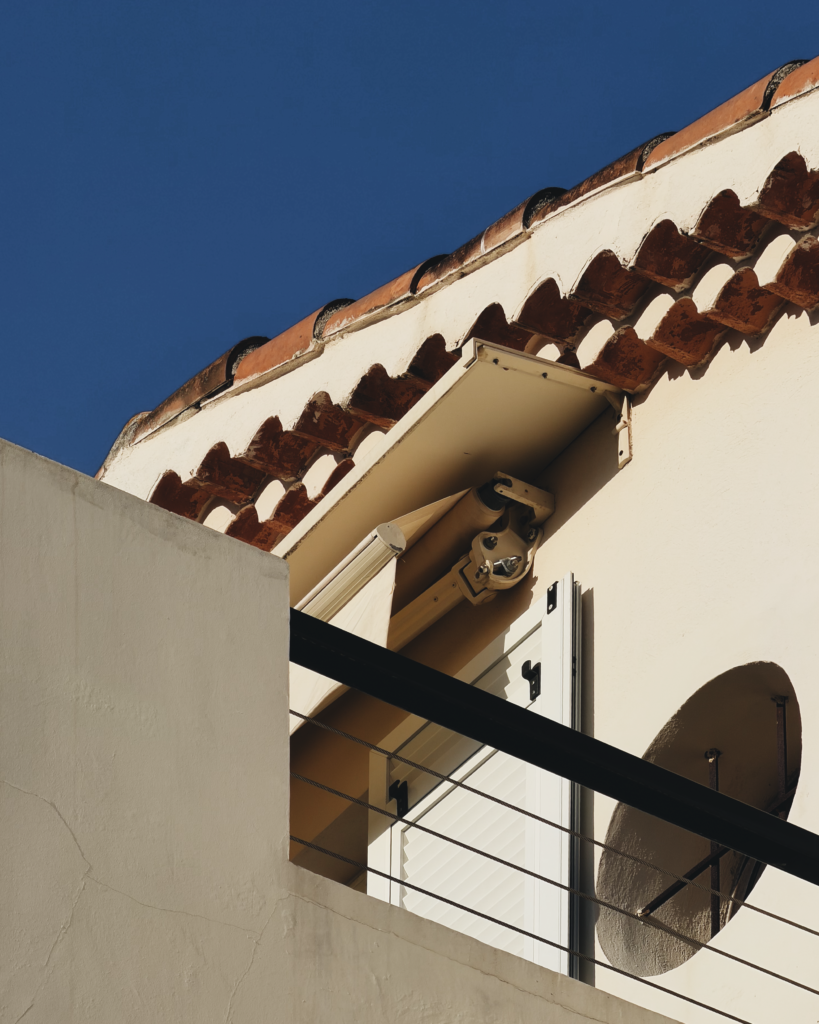
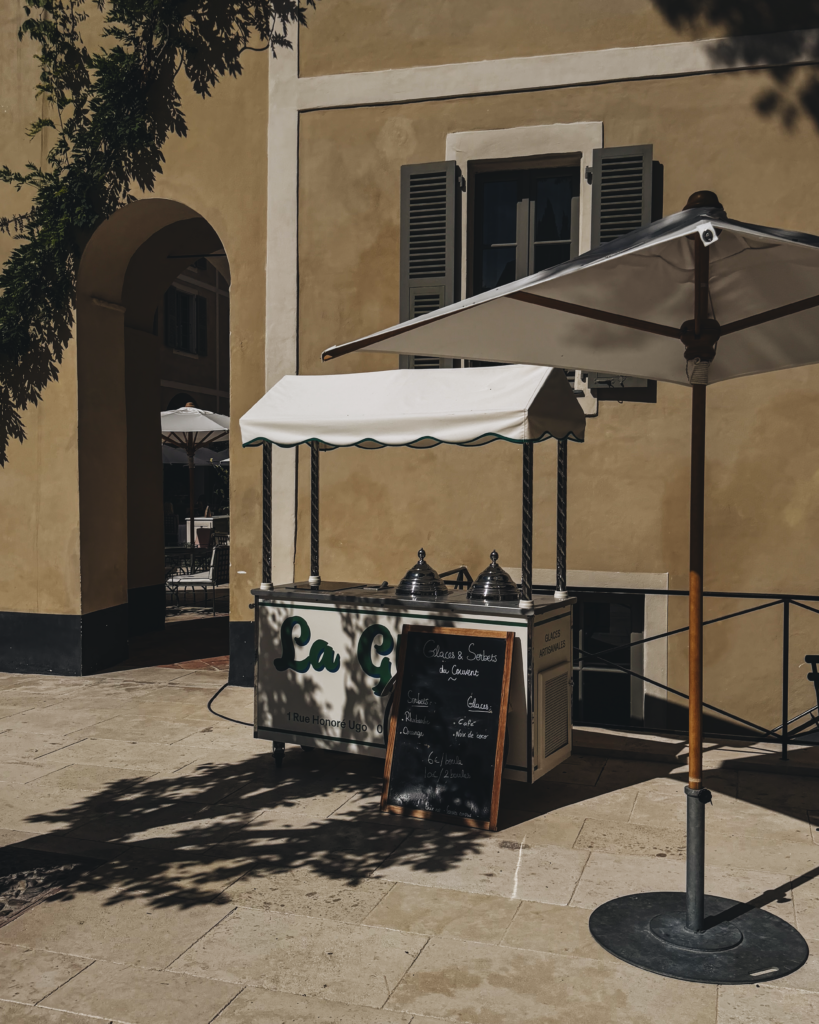
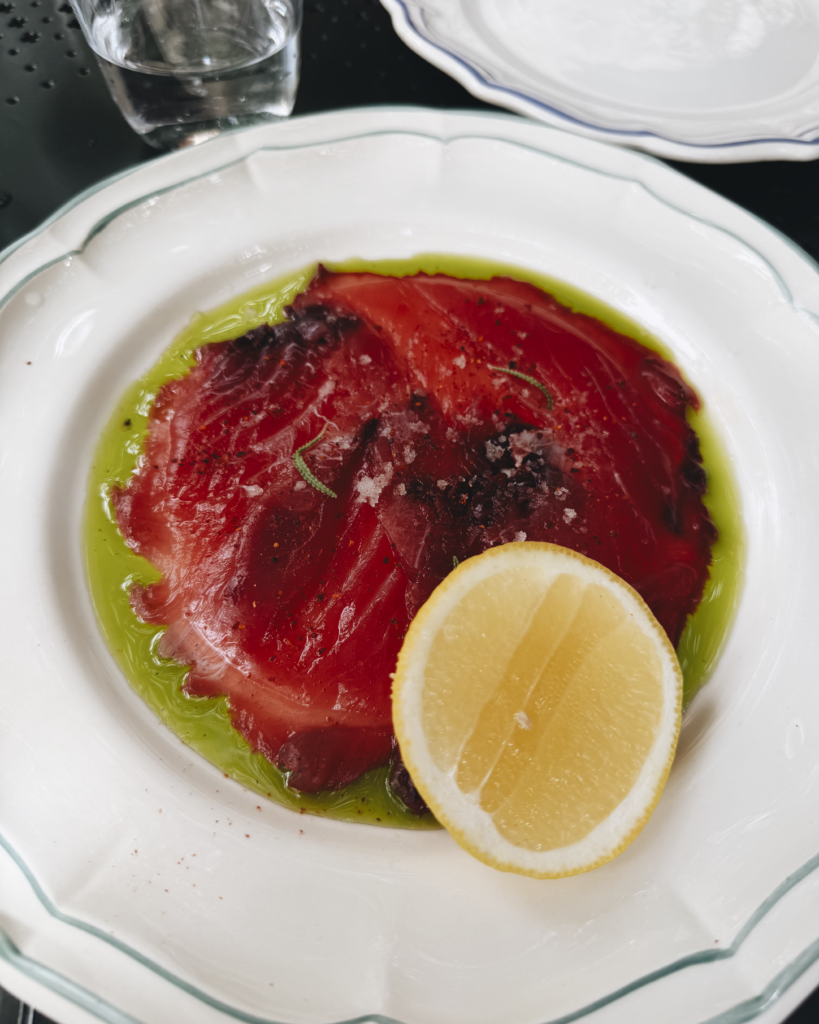
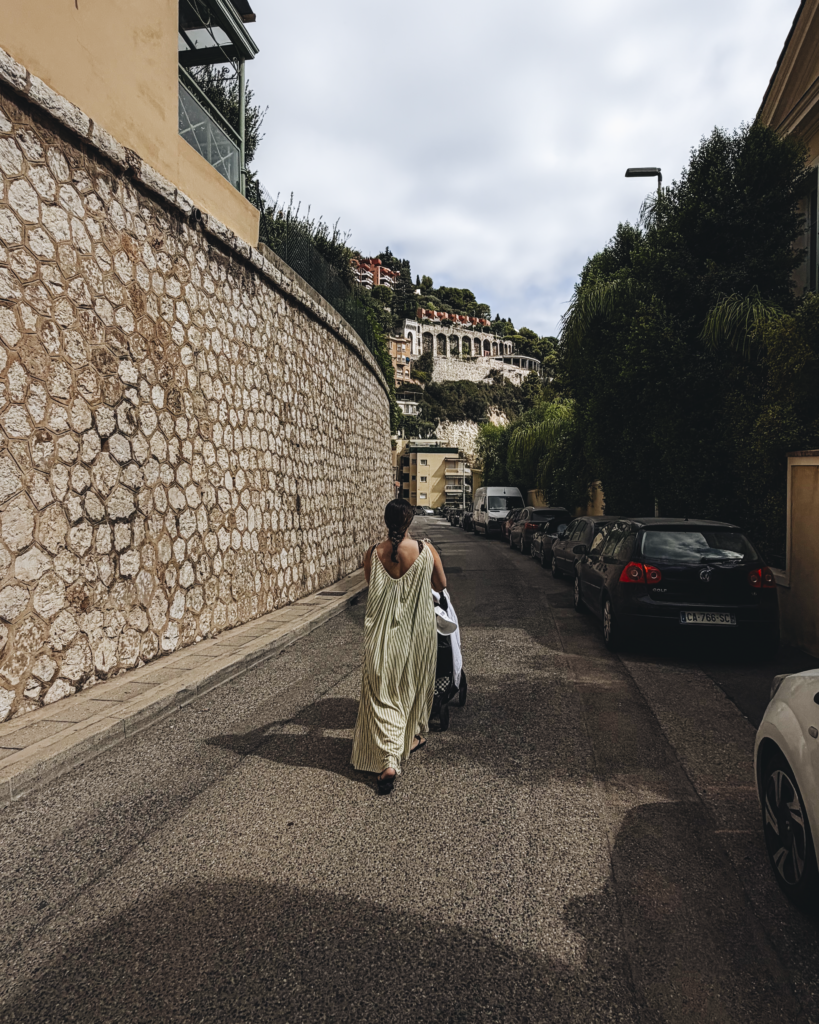
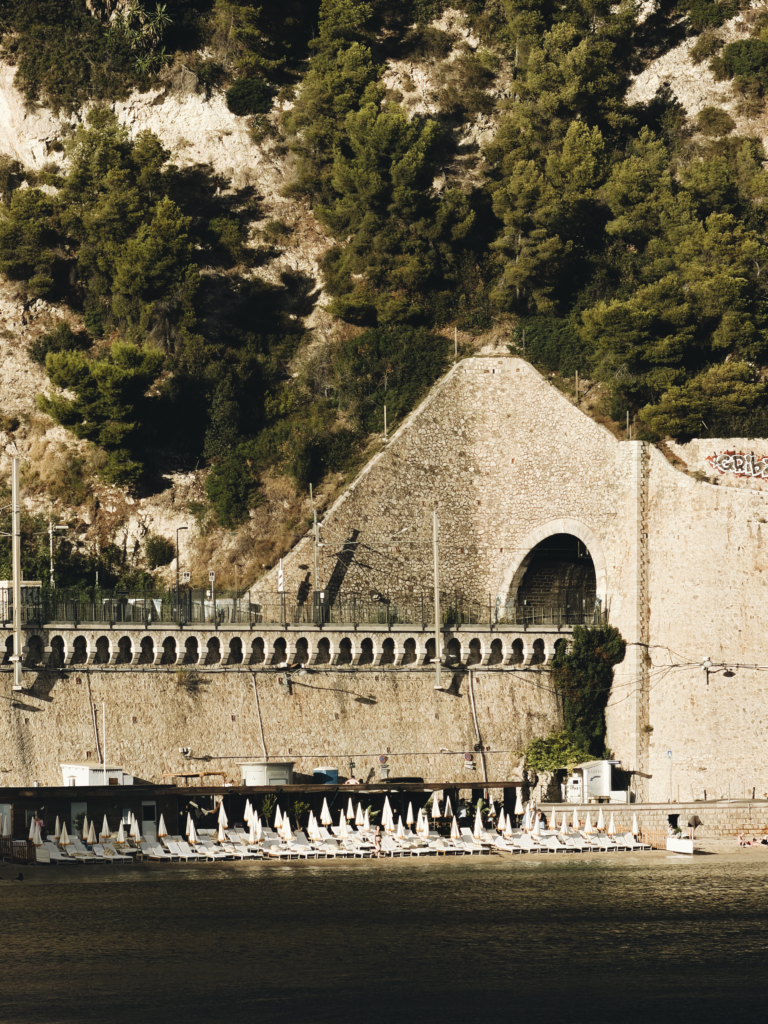
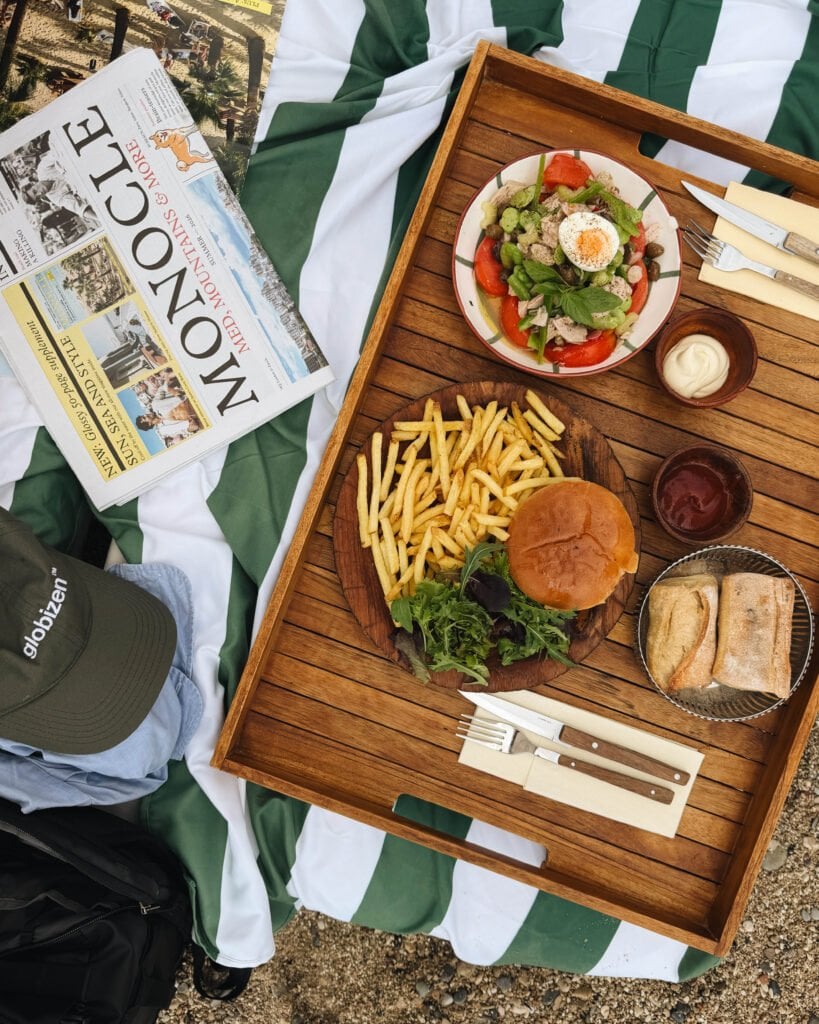
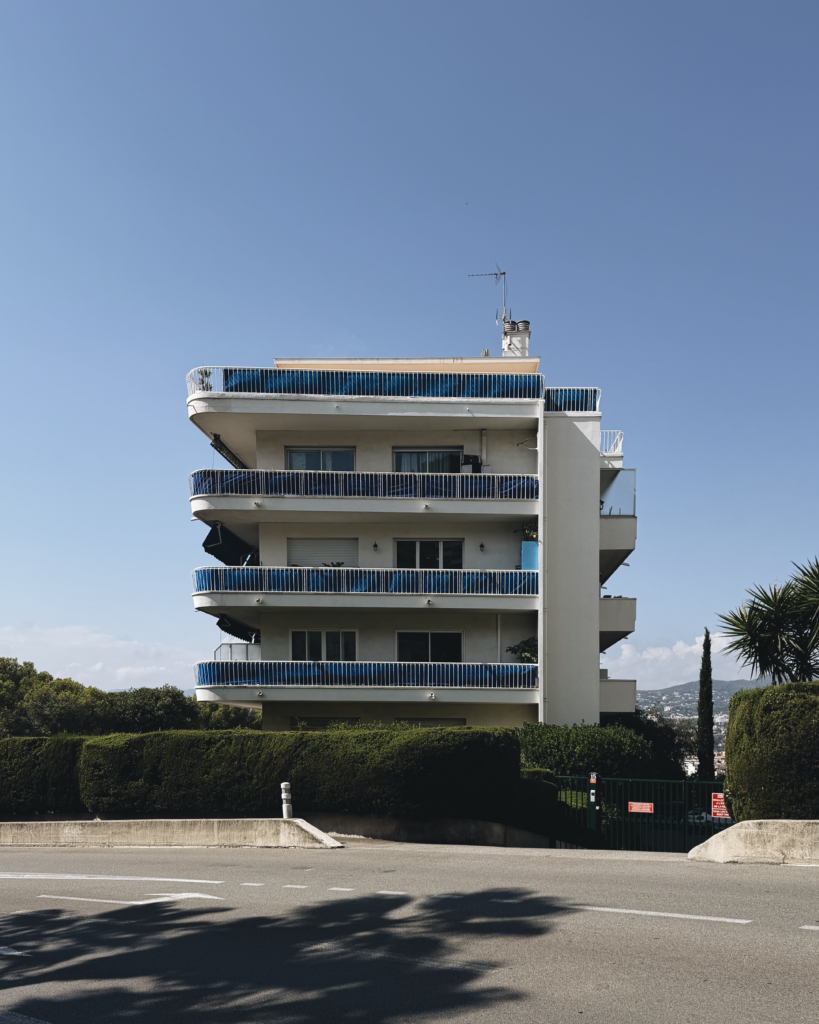
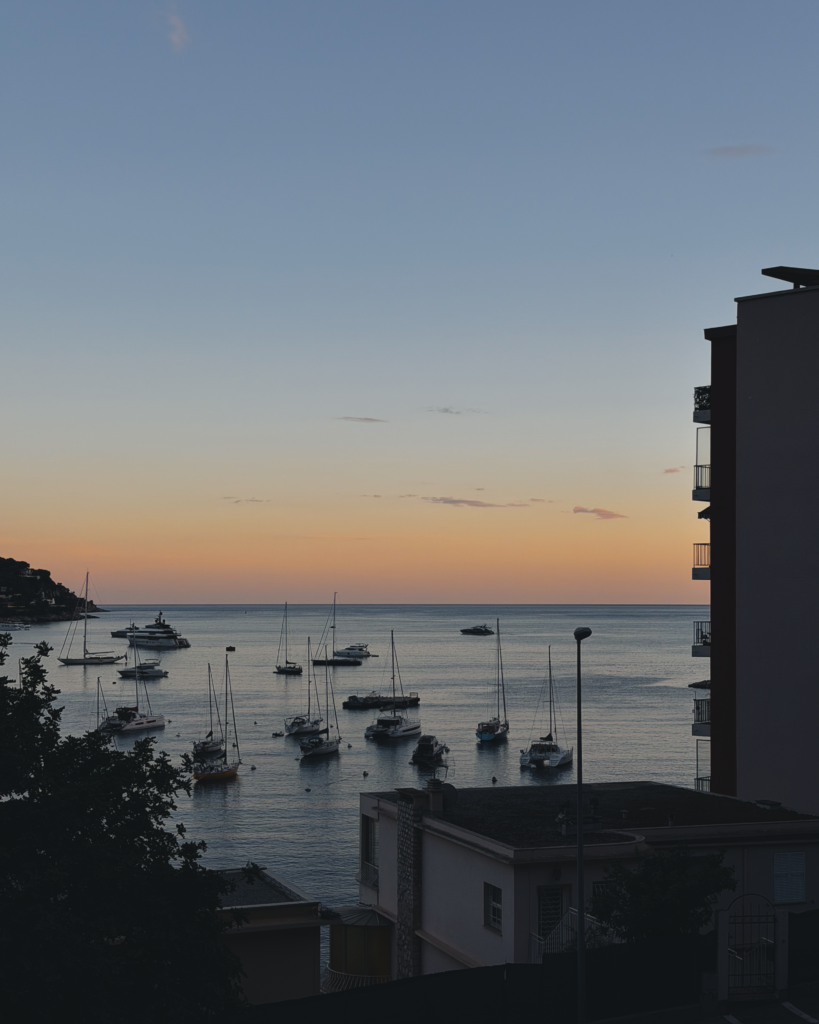
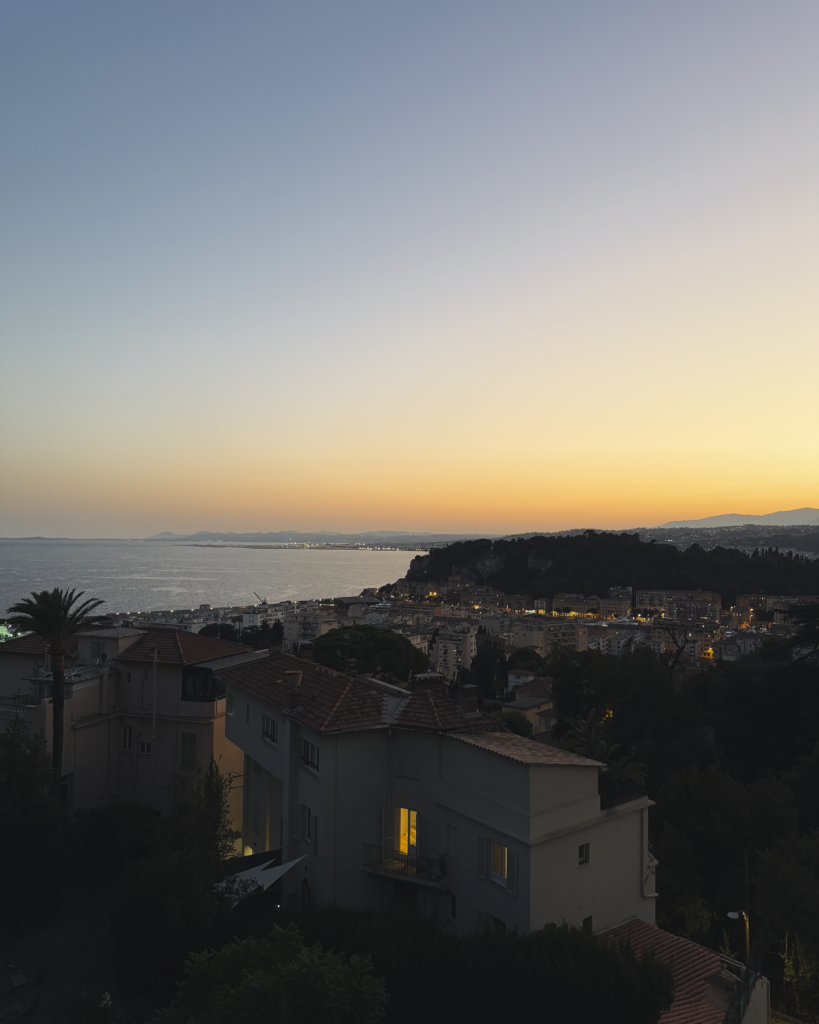
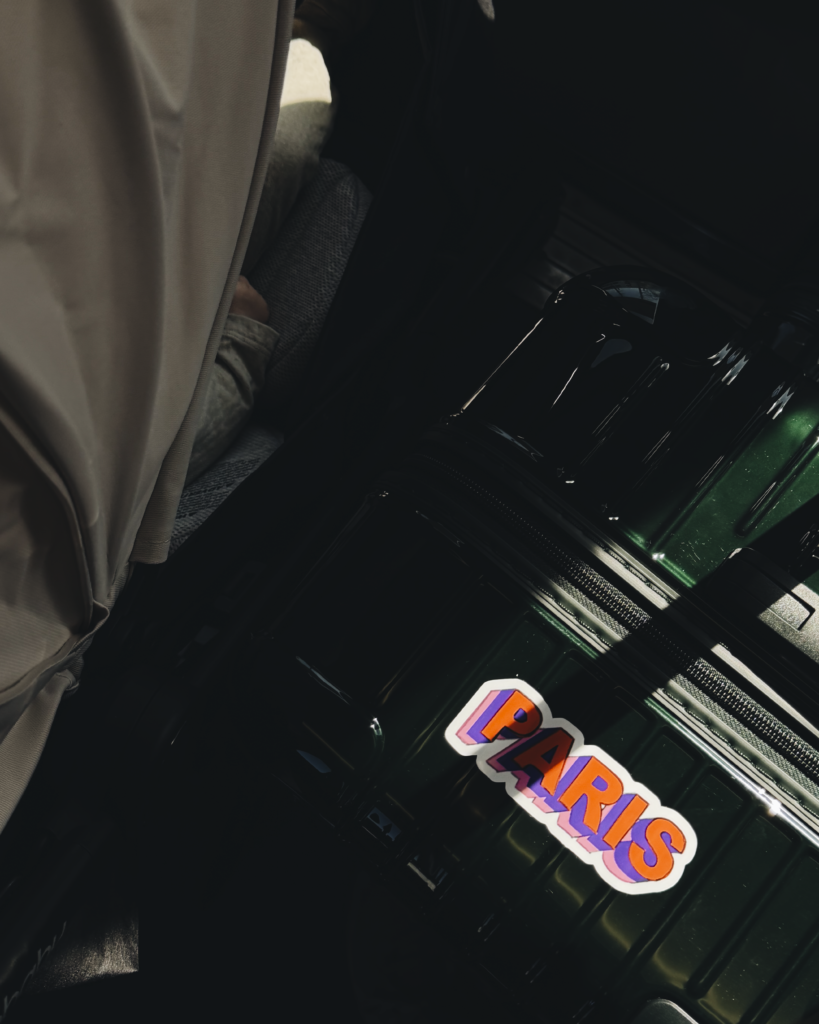
I have my Fujifilm camera with me on this trip, but it’s been a bit much to carry it around throughout the day with Vivienne and all of her various belongings. So these photos are all shot on iPhone. Sometimes I remember to shoot in RAW (for better post-production), but most of the time these are just quick snaps with the default settings. In my opinion, the photos don’t have the same colour depth and overall richness as the ones I get from my Fujifilm.

The Venice syndrome — or is it?

  • Urbanism
  • Nice
  • Travel

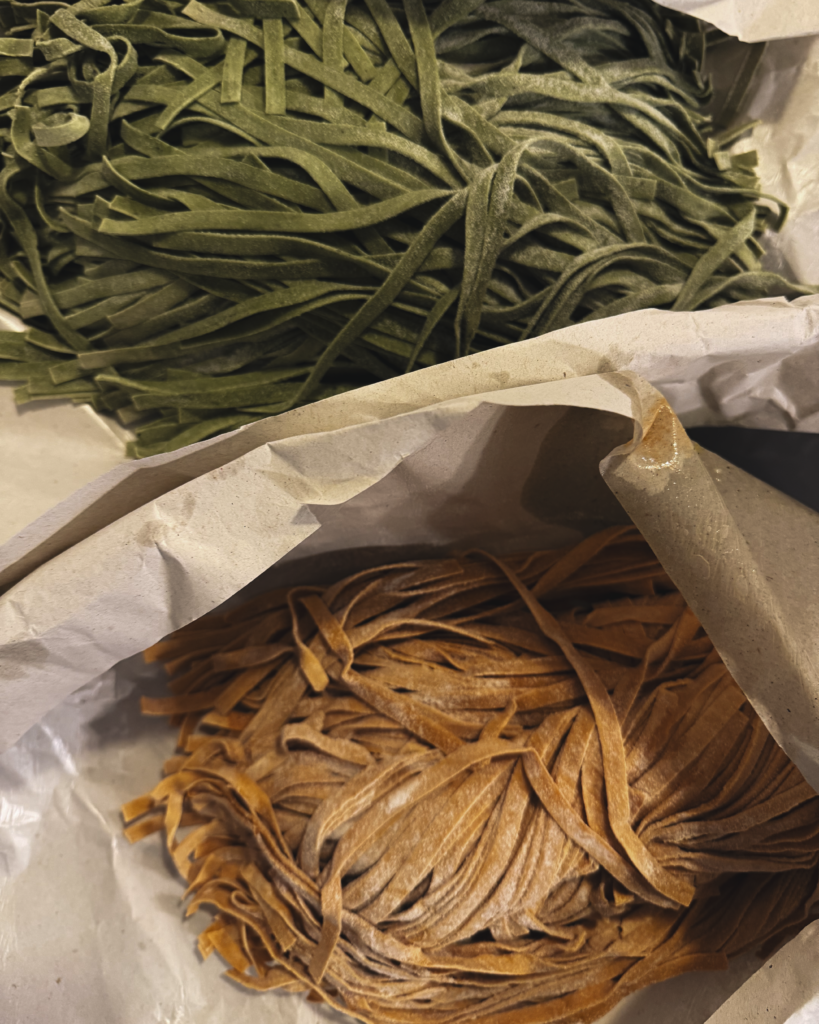
We were walking through Old Nice today and we stumbled on a fresh pasta shop called Clé aux Pâtes (highly recommend). I went in to grab supplies for dinner and then started chatting with the friendly lady behind the counter. She explained to me that all of the pasta is made on-site every morning and that the shop has been there since 1932.

I then made a comment that their customer base must have changed considerably over the decades. Underlying this statement was an assumption that it is now mostly tourists. But she corrected me and said that lots of locals also shop there. I then turned to look at the line behind me and, for what it’s worth, there was French being spoken.

But I left thinking about the composition of the neighbourhood. Old Nice is made up of several statistical areas. The oldest and densest is called Vieux Nice-Sainte-Réparate. It’s just under 50,000 square metres, which is about the size of the Distillery District in Toronto. As of 2022, it had a total full-time population of 1,187 people. This works out to a respectable figure of 23,912 people per km2.

However, the area’s population has been in decline since at least 2007, when it had 1,798 people. The obvious culprit is more hotels, short-term rentals, and secondary homes. I had Gemini review the area’s census data, and it estimates that only somewhere between 35-45% of the area’s housing serves as primary residences.

This data would suggest that Old Nice is another example of what has been called the “Venice syndrome.” Tourism is now the trade, leading to a decline in population. But it’s interesting to think about the extent to which the area may also serve as an open-air mall for locals. That’s a more resilient place to be. Of course, all I have to go on is a pasta anecdote.

Cover image for How do you make a street less touristy?

How do you make a street less touristy?

  • Urbanism
  • Public space
  • Barcelona

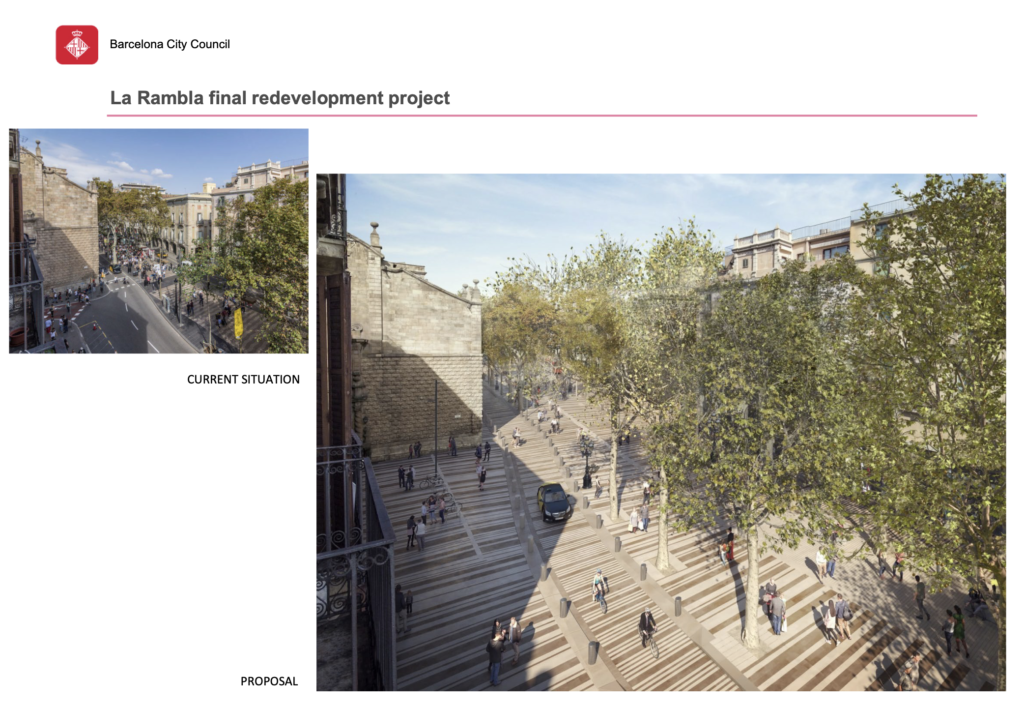
La Rambla is arguably Barcelona’s most famous street. It’s a tree-lined street that runs 1.2 kilometres from the Plaça de Catalunya in the north to Port Vell in the south. Its origin dates back to the 15th century when the original stream was drained and the semblance of a street started to emerge.

In the centuries that followed, the street came to serve as an important anchor for urban life in Barcelona. It provided a spine of open space within a dense medieval fabric of narrow streets. But alongside the rise of Barcelona as a global tourist destination, the street came to be seen more as a place for tourists than as a place for local urban life.

This desire to create more “sustainable tourism” is one of the impetuses behind the ~€56 million revitalization project that is currently underway and is expected to be completed in 2027.

But this raises a fascinating city-building question: How do you actually make a street less, you know, touristy? Tourists like visiting Barcelona and walking on this street, and so aren’t business owners going to just naturally cater to them? And aren’t landlords just going to rent to whoever will pay the highest rents?

Here’s some of what Barcelona is doing:

  • Transversal flows: This one is fascinating to me. It was found that tourists tend to walk the street longitudinally (up and down), whereas locals tend to walk it transversally. In other words, locals are more likely to cross it coming from one of the surrounding neighbourhoods. The new design now privileges these more local flows.

  • Expanded pedestrian zones: Car traffic is being reduced to one 3.5-metre lane in each direction. This frees up more space for pedestrians, which is expected to help with overcrowding.

  • Room for culture: Dedicated spaces are being created to allow for more cultural programming. This is also part of a broader strategy to elevate the kind of tourism that the city receives.

  • Commercial licensing restrictions: As I understand it, the city is actively working to limit the licenses given out to souvenir shops (and the like) along the street. A meaningful amount of retail is also housed in kiosks and stands within the public right-of-way, where the city has even greater control.

  • Mercat de la Boqueria: One of the main anchors on La Rambla is the publicly owned market. But over the years, the product mix started to skew toward ready-to-eat foods and other to-go products designed for tourists. New restrictions have been put in place, or will be, that cap tourist-oriented offerings at 50%, allowing more space for local shopping needs. Interestingly enough, I have read that the merchants were in favour of this cap because the emphasis on tourist products was driving down margins. You instead want people coming in and grocery shopping for their families.

These are just some of the initiatives that are being undertaken to rebalance La Rambla and find a more sustainable equilibrium between tourists and locals. It also dovetails with some of the other broader moves that Barcelona has implemented, such as its short-term rental ban and the right of first refusal (ROFR) that it enjoys over certain buildings and homes in order to grow the city’s public housing stock.

It’ll be interesting to evaluate the effectiveness of these moves once the street is complete. La Rambla has many centuries of history and it has always evolved alongside Barcelona. Today is no different.


Images from Barcelona City Council

Subscribe to Brandon Donnelly

Daily insights for city builders. Published since 2013 by Toronto-based real estate developer Brandon Donnelly.