Support dONΞ

 dONΞ
dONΞThe generational shift in social media
🔍 Crypto Research | Data Insights | Market Deep Dive
Share Dialog
Share Dialog
🔍 Crypto Research | Data Insights | Market Deep Dive

Subscribe to dONΞ
Subscribe to dONΞ
Hello everyone. First, I would like to briefly introduce myself. I have been working as an investor and researcher in the blockchain and crypto scene since 2016, and I have been running my own blog.
Many people may have forgotten about me now, but in 2016, I was an author on steemit.com, the first blockchain-based social media called Steem. I also ran a Korean blog called Tistory. Recently, I have been sharing short thoughts on 𝕏.
I would like to share my thoughts on why I chose Paragraph.com.
I love text, writing, and reading. So I have used many social media for a long time. I have used Steemit, Naver Blog, Tistory, Medium, and 𝕏 (aka Twitter), but each platform has its limitations.

(Pros) Steemit, which appeared in 2016, was a truly innovative social media. Your writing is permanently recorded on the blockchain (everything is on-chain) and you can get rewarded for writing. (The reward is given in tokens called $STEEM or $SBD)
(Cons) (I personally think it is an advantage) You have to write in Markdown. There is no separate editor tool provided. There is a barrier to entry for users because it requires a basic understanding of wallets and blockchains. As the token price falls, the community continues to shrink.

(Pros) It is the most used blog platform by Koreans. If you are Korean and want to share restaurants, recipes, daily life, and fashion, this blog is a must-choose.
(Cons) Web3-related articles do not receive attention and it is difficult to generate revenue. Your articles will be censored according to the policy of the platform operating company. And your articles can be deleted at any time without notice.

(Pros) Medium.com, created by Ev Williams, co-founder of Twitter and founder of Blogger, is still the platform used as the official social media channel by most Web3 projects. It has the advantage of being able to designate separate authors for publication channels, and the platform and interface are very clean.
(Cons) Honestly, there are not many bad points. My posts are not stored on-chain, and it is difficult to generate revenue, but overall, it is acceptable.

(Pros) Since Elon Musk's acquisition, 𝕏 has become more dominant. It is unimaginable for Web3 projects not to operate 𝕏. Having influence in 𝕏 today is a big money. With the emergence of Kaito and Cookiedotfun, 𝕏 has become the most essential social media.
(Cons) 𝕏 has a very high volatility of posts. It is very difficult to find my past posts. So 𝕏 should definitely be used in parallel with other platforms.

I think Farcaster and Paragraph will replace 𝕏 and traditional blogging platforms in the near future.
Farcaster : Web3 𝕏
Paragraph : Web3 Blog
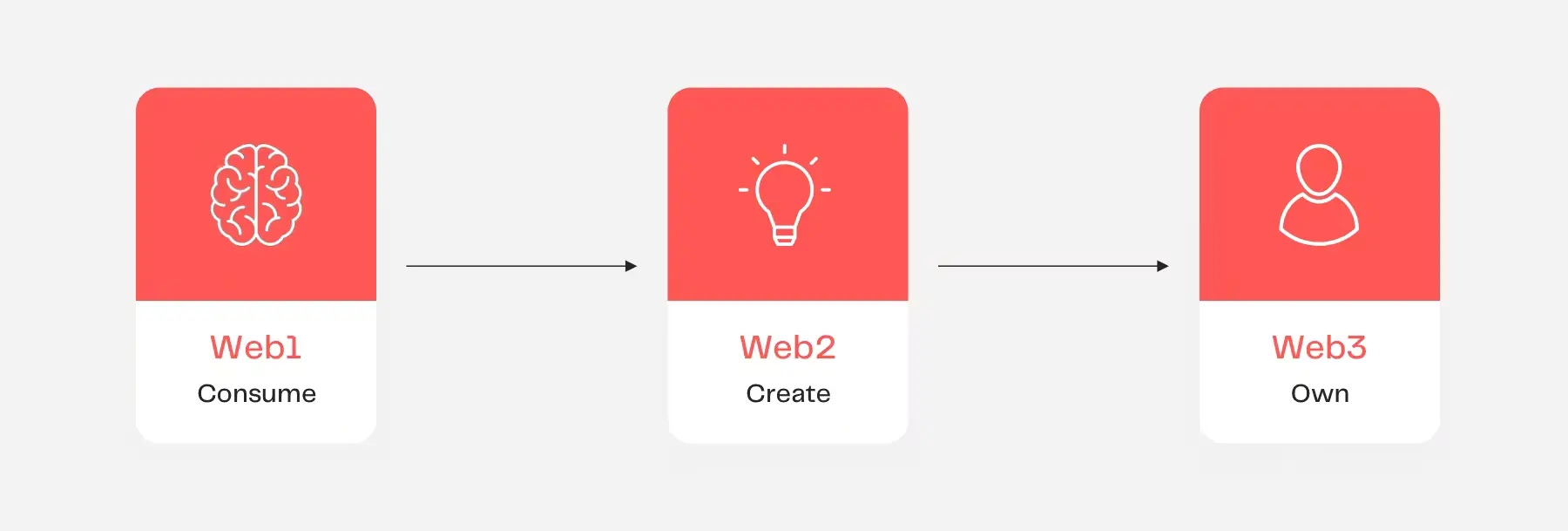
All users' content is recorded on-chain permanently, and all users become the true owners of their content. Readers can collect good content and support their favorite authors with crypto.
Above all, Farcaster and Paragraph are now fully compatible.
Let's meet often!
Hello everyone. First, I would like to briefly introduce myself. I have been working as an investor and researcher in the blockchain and crypto scene since 2016, and I have been running my own blog.
Many people may have forgotten about me now, but in 2016, I was an author on steemit.com, the first blockchain-based social media called Steem. I also ran a Korean blog called Tistory. Recently, I have been sharing short thoughts on 𝕏.
I would like to share my thoughts on why I chose Paragraph.com.
I love text, writing, and reading. So I have used many social media for a long time. I have used Steemit, Naver Blog, Tistory, Medium, and 𝕏 (aka Twitter), but each platform has its limitations.
(Pros) Steemit, which appeared in 2016, was a truly innovative social media. Your writing is permanently recorded on the blockchain (everything is on-chain) and you can get rewarded for writing. (The reward is given in tokens called $STEEM or $SBD)
(Cons) (I personally think it is an advantage) You have to write in Markdown. There is no separate editor tool provided. There is a barrier to entry for users because it requires a basic understanding of wallets and blockchains. As the token price falls, the community continues to shrink.
(Pros) It is the most used blog platform by Koreans. If you are Korean and want to share restaurants, recipes, daily life, and fashion, this blog is a must-choose.
(Cons) Web3-related articles do not receive attention and it is difficult to generate revenue. Your articles will be censored according to the policy of the platform operating company. And your articles can be deleted at any time without notice.
(Pros) Medium.com, created by Ev Williams, co-founder of Twitter and founder of Blogger, is still the platform used as the official social media channel by most Web3 projects. It has the advantage of being able to designate separate authors for publication channels, and the platform and interface are very clean.
(Cons) Honestly, there are not many bad points. My posts are not stored on-chain, and it is difficult to generate revenue, but overall, it is acceptable.
(Pros) Since Elon Musk's acquisition, 𝕏 has become more dominant. It is unimaginable for Web3 projects not to operate 𝕏. Having influence in 𝕏 today is a big money. With the emergence of Kaito and Cookiedotfun, 𝕏 has become the most essential social media.
(Cons) 𝕏 has a very high volatility of posts. It is very difficult to find my past posts. So 𝕏 should definitely be used in parallel with other platforms.
I think Farcaster and Paragraph will replace 𝕏 and traditional blogging platforms in the near future.
Farcaster : Web3 𝕏
Paragraph : Web3 Blog
All users' content is recorded on-chain permanently, and all users become the true owners of their content. Readers can collect good content and support their favorite authors with crypto.
Above all, Farcaster and Paragraph are now fully compatible.
Let's meet often!
<100 subscribers
<100 subscribers



1 comment
https://paragraph.com/@done/the-generational-shift-in-social-media