MiFella’s shirts show how 20th and 21st century subcultures (from Futurist noise to geopolitical memes) are recycled, weaponised and worn as signs of identity in the age of PFPs
Each shirt trait tells its own story. Some are direct pulls from music or fashion. Others are deep cuts from noise, anime, or meme culture. Together they form an archive of references that anchor MiFella in a broader cultural web.
Let's break down a few... tracing their origins, why they matter and how they shape the MiFella ethos, setting the stage for the Avant Gay...
Let's begin with the lineage of noise and experimental music. A thread that runs deep through the collection.
🔴 𝑴𝒆𝒓𝒛𝒃𝒐𝒘
👉🏾 Merzbow is the alias of Masami Akita, who chose the name in reference to Kurt Schwitters’ Merzbau (Schwitters’ architectural collages built from found materials. Image 2). The link is symbolic: Akita channels a similar ethos of transforming detritus into art, but in the sonic domain.
👉🏾 Masami Akita’s project drew from an eclectic range of influences. Progressive rock, heavy metal, free jazz, early electronics, but also Dadaism, Surrealism and fetish culture. That same unruly mix of high and low, avant-garde and subcultural, runs through MiFella.
👉🏾 His methods were pure overload: distortion, feedback, junk metal, home-made instruments, collapsing structure under sheer volume. The DNA of traitmaxxing lies here. Excess as principle, noise as revelation.
One of my favourite traits is the Merzbow Overlay 🤌🏾 Read about it here 👇🏾

 𝑷𝒐𝒔𝒕𝒅𝒆𝒎𝒐𝒏
 Derived from Pulse Demon, a 1996 album by Japanese noise musician Merzbow. The original cover art is a field of warped, hypnotic lines... a visual representation of noise. In MiFella, that optical distortion is placed directly over the entire


📯 𝑳𝒖𝒊𝒈𝒊 𝑹𝒖𝒔𝒔𝒐𝒍𝒐
👉🏾 Luigi Russolo (1885–1947) was an Italian Futurist who wrote The Art of Noises (1913), a manifesto declaring that the limited circle of pure sounds must be broken open by the roar of modern life.
👉🏾 He built the Intonarumori, experimental noise machines designed to mimic the crashes, scrapes and hisses of the industrial city.
👉🏾 For Russolo, noise was not a defect but the future of art. A way to mirror the speed, conflict and intensity of modern existence.
👉🏾 In MiFella, the Luigi Russolo shirt trait encodes this origin story: the leap from harmony to fracture, from melody to machinery. A reminder that the collection doesn’t just cite noise... It wears the moment noise first became art.

⚙ 𝑲2 𝑪𝒖𝒔𝒕𝒐𝒎
👉🏾 References Metal Language (1998), a limited cassette by Japanese noise artist K2 (Kimihide Kusafuka), recorded live at Oncosonik Laboratory.
👉🏾 K2’s work is defined by scrap metal and found-object sound: crashing, scraping, unpredictable textures stitched with electronics. His practice turns industrial debris into a vocabulary of harsh noise.
👉🏾 The cassette itself was a hand-numbered edition, underscoring scarcity and the collector’s aura... qualities mirrored in MiFella’s trait economy.
👉🏾 In MiFella, the K2 shirt translates this ethos: noise as metal, structure as wreckage, rebirth from industrial ruins. A custom signal that even the rawest fragments can be pressed into new codes.

🌀 𝑫𝒆𝒂𝒕𝒉 𝑺𝒑𝒊𝒓𝒂𝒍
👉🏾 Refers to Hanatarash, the notorious Japanese noise project founded by Yamantaka Eye (later of Boredoms) in 1983.
👉🏾 The name means “snot-nosed”... a clue to its reckless, chaotic spirit. In live shows, Hanatarash became infamous for using drills, bulldozers and heavy machinery as instruments. Many times causing real physical danger.
👉🏾 Their 1988 album Hanatarash 2 is often remembered for its dizzying, abrasive sound and hypnotic concentric cover design (visualised here on the shirt as a spiralling neon target).
👉🏾 In MiFella, the Death Spiral shirt captures this ethos of extremity: danger as performance, collapse as spectacle. It channels the anarchic energy of a band that turned destruction itself into art.

𝑺𝒕𝒂𝒍𝒊𝒏𝒈𝒓𝒂𝒅
👉🏾 References Stalingrad, a hardcore punk band from Bradford, UK, whose 1997 demo used a photograph from Susan Lipper’s Grapevine series.
👉🏾 Lipper’s work straddled documentary and fiction: staging ambiguous, often unsettling images in rural Appalachia that force viewers to question stereotypes and their own preconceptions.
👉🏾 The chosen photo (a deer strung on a basketball hoop) collapses sport, violence and absurdity into a single surreal tableau.
👉🏾 In MiFella, the Stalingrad shirt imports this double lineage: the raw, abrasive energy of UK punk and Lipper’s eerie Appalachian collaborations. Together they point to MiFella’s core method... recontextualising fragments of subculture and trauma into myth.

Some traits nod to Anime and Anime culture...
🖤 𝑺𝒆𝒄𝒓𝒆𝒕 𝑬𝒙𝒑𝒆𝒓𝒊𝒎𝒆𝒏𝒕𝒔 𝑳𝒂𝒊𝒏 (𝑩𝒍𝒂𝒄𝒌) 𝑺𝒉𝒊𝒓𝒕
👉🏾 References Serial Experiments Lain (1998), the cult anime series that explored consciousness, technology, and identity in the early days of the wired internet.
👉🏾 The show follows Lain Iwakura, a schoolgirl drawn deeper into “The Wired”. A networked reality where the boundaries between self and system dissolve.
👉🏾 With its fragmented narrative and eerie cyber-aesthetics, Lain probed questions of simulation, isolation and what it means to exist inside information systems.
👉🏾 In MiFella, the Lain shirt acts as an eery reminder that identity here is always wired, always unstable. A place where self, image and network bleed together.

Many MiFella traits read as a nod to art history’s most charged, controversial gestures. Moments when artists tested the limits and rewrote the terms of what art could be.
𝑽𝒊𝒕𝒐 𝑨𝒄𝒄𝒐𝒏𝒄𝒊 𝑺𝒆𝒆𝒅𝒃𝒆𝒅
👉🏾 References Vito Acconci’s performance Seedbed (1972), one of the most provocative pieces of early body and conceptual art. For three weeks at the Sonnabend Gallery in New York, Acconci lay hidden beneath a wooden ramp in the gallery floor, masturbating while speaking his fantasies about the visitors who walked above him. His murmured monologue was broadcast into the space through speakers.
👉🏾 Seedbed broke the boundary between private desire and public performance. It turned the viewer into an unwitting participant. Acconci used his own body as both medium and transmitter, collapsing distance between art, artist and audience.
👉🏾 The trait signals a key thread in MiFella’s cultural DNA: fascination with transgressive acts that expose hidden currents... whether noise in music, propaganda in politics, or desire in the gallery. It’s a reminder that the project often draws on art-historical precedents for testing the limits of spectatorship, authorship and exposure.

From avant-garde ruptures in art history, MiFella pivots to the equally unstable theatre of geopolitical irony, where propaganda, parody and meme culture collide.
𝑴𝒖𝒋𝒂𝒉𝒊𝒅𝒆𝒆𝒏 𝑫𝒆𝒅𝒊𝒄𝒂𝒕𝒊𝒐𝒏 𝑻
👉🏾 References the infamous closing credit of Rambo III (1988), which dedicated the film to the “brave Mujahideen fighters of Afghanistan.”
👉🏾 Once a straightforward Cold War gesture, it later became an emblem of geopolitical irony: today read as naïve, misplaced, even tragic.
👉🏾 In MiFella, the shirt weaponises that historical meme, collapsing cinema, propaganda and hindsight into a single line of text.
👉🏾 It’s less about heroism than about how meaning mutates: yesterday’s freedom fighters, today’s enemies.
This shirt is an example of history fed back through the cultural shredder... propaganda turned parody, sincerity recycled into meme. It shows how MiFella doesn’t just borrow images but exposes the instability of their meaning. In the next section, I’ll expand this into a broader theme of geopolitical irony that runs through the collection.

𝑮𝒆𝒐𝒑𝒐𝒍𝒊𝒕𝒊𝒄𝒂𝒍 𝑰𝒓𝒐𝒏𝒚
Already introduced in the previous section, The Mujahideen Dedication T serves as an entry point to a larger pattern. Its irony isn’t isolated. It’s part of a cluster where MiFella repeatedly returns to Mujahideen and al-Qaeda imagery. Taken together, these traits map out a broader theme of geopolitical irony, where propaganda, parody and meme culture converge:
👉🏾 𝑴𝒖𝒋𝒂
Directly references Mujahideen fighters. Militant garb and ammo belts. Once celebrated as icons of resistance, here they’re rendered as pixel iconography, stripped of ideology and worn as myth.
👉🏾 𝑺𝒐𝒖𝒕𝒉 𝑷𝒂𝒓𝒌 𝑩𝒊𝒏 𝑳𝒂𝒅𝒆𝒏 & 𝑺𝒐𝒖𝒕𝒉 𝑷𝒂𝒓𝒌 𝑨𝒍 𝑸𝒖𝒂𝒆𝒅
Draws on South Park’s Osama bin Laden Has Farty Pants (2001), where terror was processed through slapstick parody.
👉🏾 𝑨𝒍𝒂𝒅𝒅𝒊𝒅𝒂𝒔 𝑺𝒉𝒊𝒓𝒕
The infamous meme-mashup: Adidas three stripes retooled as the Twin Towers, branded “alqaida.” A pure artefact of early internet dark humour, collapsing corporate branding and global trauma into a forbidden logo.
Together, this cluster of traits form a mini-archive inside MiFella. They trace the arc of how jihadist imagery has circulated through Western culture:
→From heroic freedom fighters (Rambo)
→To geopolitical villains (Bin Laden, al-Qaeda)
→To internet parody and meme detournement (South Park, Aladdidas).
This is MiFella at its sharpest: showing how images migrate, meanings flip, history itself becomes schizocode. The collection leans hard into Mujahideen and al-Qaeda references, IMHO, because they are one of the clearest examples of how culture metabolises even terror and tragedy into repeatable, remixable signs.
What results is not a history lesson but a mirror of cultural absurdity: geopolitics as meme, propaganda as parody, terror as JPEG.

𝑪𝒐𝒏𝒄𝒍𝒖𝒔𝒊𝒐𝒏
The shirts I’ve highlighted, from Merzbow and Luigi Russolo to Stalingrad, Hanatarash, Lain and the Mujahideen cluster, are only a slice of what MiFella offers. There are many more traits still to be unpacked, each with their own rabbit holes of noise, subculture, parody and politics.
What binds them isn’t just reference-spotting, but the way they cut across time and meaning. MiFella thrives on instability: noise as art, propaganda as parody, trauma as meme. It doesn’t just archive culture; it scrambles and replays it until new signals emerge. The blueprint for the Avant Gay.
@MifellaM
has done a great job sharing insights into lots of other traits. Check out some other shirt traits here:
Another Whitehouse one because yes

Whitehouse was an English noise band formed in 1980. The name Whitehouse was chosen both in mock tribute to the British morality campaigner Mary Whitehouse, and a reference to a pornographic magazine of the same name.

Piece now
"Piece Now!" was a Weather Underground slogan, the rifle their image. Revolutionary violence was their method. Weatherman was an outgrowth of the identity politics of violence which grew out of disillusionment with non-violent tactics.

Burzum
Burzum was a Norwegian music project founded by Varg Vikernes in 1991. he word "burzum" means "darkness" in the black speech, a fictional language crafted by The Lord of the Rings writer J. R. R. Tolkien.

Prurient
"I have to find a balance between making it have some kind of authenticity and integrity on a personal level and then, you know, paying rent. For lack of a better word, it is a career - it’s my day to day."
-Dominick Fernow of Prurient

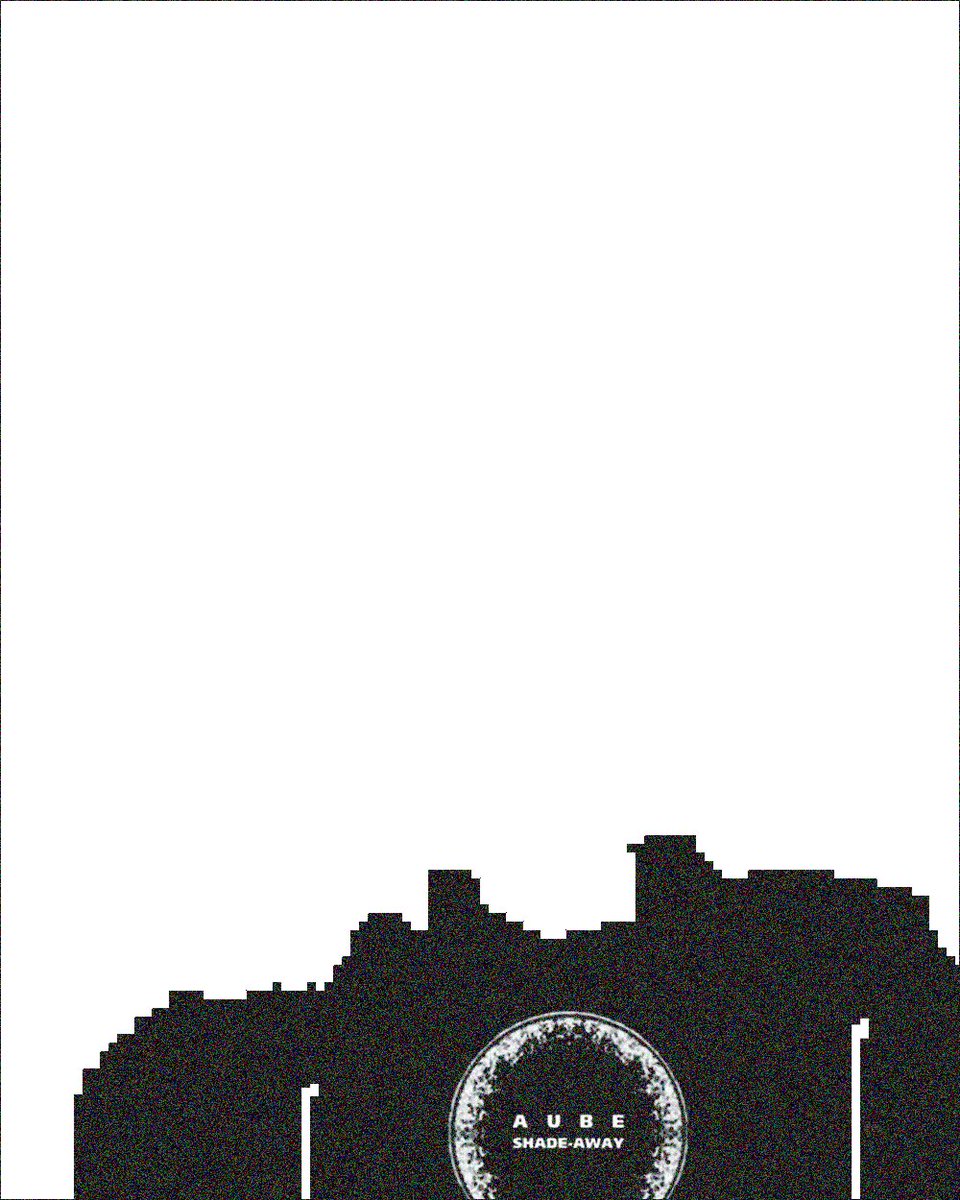
Aube (by @MMifella)

Akifumi Nakajima , better known by his stage name Aube, was a Japanese noise musician. "I don't think of myself as a musician or an artist. I'm a designer. I therefore consider my sound works to be designed as well"
this: youtube.com/watch?v=Mqms4c…