Event Alpha - Lessons from those who gather crypto-natives.
A new blog series on what actually works in Web3 event design and why it matters now.

Event Alpha #2:Sponsor, partner, or throw your own?
Lessons learned from those who gather crypto-natives

Event Alpha #1: Hosting globally, feeling locally
Lessons from those who gather crypto-natives.
<100 subscribers

Event Alpha - Lessons from those who gather crypto-natives.
A new blog series on what actually works in Web3 event design and why it matters now.

Event Alpha #2:Sponsor, partner, or throw your own?
Lessons learned from those who gather crypto-natives

Event Alpha #1: Hosting globally, feeling locally
Lessons from those who gather crypto-natives.


People bring this up all the time in crypto:
“We loved your event, such an awesome venue, unique experiences, free drinks and food (quality options too), impressive merch. The cool people in the space were there. It was a vibe, and it projected that way on socials too…”
But here’s the real question: was it successful, what was the ROI?
That’s the challenge every organiser faces. What if, instead of a six-figure budget for a high-production event, you hosted a free picnic in the park or on the beach, used your team’s social influence to invite people, and invested the rest somewhere else for growth?
This is where not only measurement but justifying budget in the first place and knowing how to spend it for maximum impact becomes important to decide if the trade-off to spend on an event was worth it.
Early budget capture: Budgets are requested internally at least 6–9 months in advance. Teams present a business case detailing expected outcomes such as brand visibility, community engagement, or lead generation. Metrics like past attendance, qualified leads, or social media reach are used to justify the ask.
Accounting for hidden costs: Team travel and accommodation can consume up to 20–30% of the event budget, particularly for international events. Teams often bundle travel costs into broader event budgets rather than treating them as separate expenses, ensuring holistic financial planning.
Measuring lead conversion: Qualified leads generated from events are used to demonstrate ROI to internal stakeholders and secure future budgets.
Kaitlin’s learnings (CryptoMondays London):
Budget timing for smaller events: For smaller community-driven events, budgets are often secured closer to the event date, relying on sponsorships or ticket sales to cover costs. Planning only begins once a funding source is identified.
Tracking community growth: Growth and attendee feedback are key indicators of success, helping to secure ongoing support for events.

Louie’s learning (3E Labs / Ex-Lukso):
Measuring social reach: Impressions and engagement, such as the 150,000 impressions achieved for Lukso’s DevCon events, are tracked to justify future budgets.
Snax’s learning (PizzaDAO):
Decentralized funding model from the community: Leverages DAO funds raised through treasury allocations and community contributions, often delaying event planning until funds are secured.

Prioritizing high-impact spend: Budgets prioritize activities that maximize attendee connections, such as curated dinners and park hangouts during conference weeks, with a clear focus on ROI in terms of relationship-building and networking.
Kim’s learning (Decentraland):
Engagement metrics from virtual spaces: Increased engagement measurements can be found for online events. For example, in Decentraland the average in-world engagement time is 45 minutes, validating that attendees were active participants.
When you look at these learnings side by side, a clear pattern emerges. The best organisers don’t just “find some budget and throw an event.” They follow a repeatable cycle: secure the budget, spend it where it matters most, and measure the impact to unlock the next one combining a couple of the below:
Combine sales, marketing, and community insights – Build a holistic picture of success by integrating metrics across departments. For instance, combine lead generation data with social media reach and qualitative attendee feedback.
Establish clear goals pre-event – Define what success looks like for your specific objectives, whether it’s ticket sales, brand exposure, or fostering a tighter community.
Iterative feedback loops – Use attendee feedback to refine event structures. Kaitlin’s iterative approach at CryptoMondays London highlights the importance of ongoing adjustments to meet community expectations.

With that foundation in place, we can move from principles to practice. This is where the real alpha lives, in the action. The stories that follow show how organisers like Nick, Louie, and Chad have applied these ideas in the wild, proving real ROI from their events.
The Challenge
Launching a new product in the competitive network space requires significant visibility, clear communication, and memorable engagement. Nick recognized the need to anchor Story’s product launch around a well-planned event to ensure it achieved maximum impact.
The Solution: Anchoring a Product Launch Around an Event
Nick organized a flagship event to coincide with the launch of Story’s new collaborative storytelling tools, aligning the event’s content, activities, and messaging with the product’s key value propositions.
The Challenge
During a bustling week of Web3 activities in Bangkok during DevCon 2024, Louie aimed to position Lukso as a key player in the space by leveraging a multi-touch strategy. The goal was to funnel audiences from smaller, targeted events to a high-impact flagship event featuring Lukso’s founder, while creating measurable outcomes that would sustain Lukso’s presence until the next marketing push.
The Solution: Multi-Touch Event Funnel with Strategic Measurement
Louie designed a week-long event series that not only built anticipation for the flagship event but also ensured that each touchpoint contributed to measurable brand visibility and engagement. Read more from Louie's DevCon experiences over events blog here

The Challenge
For Chad, ApeFest isn’t just about attendance, it’s about the ripple effects on brand loyalty, community sentiment, and Yuga Labs’ standing in Web3. The challenge? Turning those intangible outcomes into measurable data that actually informs future events.
The Solution: Multi-layered measurement beyond headcount
Chad built a measurement framework that captured reactions, reach, and long-term engagement, combining both qualitative and quantitative inputs.
Key Features:
Sentiment tracking with Brandwatch and Hootsuite to monitor community reactions in real-time during and after the event from the venue choice to partnerships like BMW’s activations.
Brand coverage metrics via Meltwater and Google Alerts to track press, mentions, and reach of attendee-generated content.

Next week, we’ll wrap the series with The Future of Web3 Events — From Playbook to Predictions, where we distill final takeaways from community and brand-led organisers, and share bold predictions from those shaping what’s next.
People bring this up all the time in crypto:
“We loved your event, such an awesome venue, unique experiences, free drinks and food (quality options too), impressive merch. The cool people in the space were there. It was a vibe, and it projected that way on socials too…”
But here’s the real question: was it successful, what was the ROI?
That’s the challenge every organiser faces. What if, instead of a six-figure budget for a high-production event, you hosted a free picnic in the park or on the beach, used your team’s social influence to invite people, and invested the rest somewhere else for growth?
This is where not only measurement but justifying budget in the first place and knowing how to spend it for maximum impact becomes important to decide if the trade-off to spend on an event was worth it.
Early budget capture: Budgets are requested internally at least 6–9 months in advance. Teams present a business case detailing expected outcomes such as brand visibility, community engagement, or lead generation. Metrics like past attendance, qualified leads, or social media reach are used to justify the ask.
Accounting for hidden costs: Team travel and accommodation can consume up to 20–30% of the event budget, particularly for international events. Teams often bundle travel costs into broader event budgets rather than treating them as separate expenses, ensuring holistic financial planning.
Measuring lead conversion: Qualified leads generated from events are used to demonstrate ROI to internal stakeholders and secure future budgets.
Kaitlin’s learnings (CryptoMondays London):
Budget timing for smaller events: For smaller community-driven events, budgets are often secured closer to the event date, relying on sponsorships or ticket sales to cover costs. Planning only begins once a funding source is identified.
Tracking community growth: Growth and attendee feedback are key indicators of success, helping to secure ongoing support for events.

Louie’s learning (3E Labs / Ex-Lukso):
Measuring social reach: Impressions and engagement, such as the 150,000 impressions achieved for Lukso’s DevCon events, are tracked to justify future budgets.
Snax’s learning (PizzaDAO):
Decentralized funding model from the community: Leverages DAO funds raised through treasury allocations and community contributions, often delaying event planning until funds are secured.

Prioritizing high-impact spend: Budgets prioritize activities that maximize attendee connections, such as curated dinners and park hangouts during conference weeks, with a clear focus on ROI in terms of relationship-building and networking.
Kim’s learning (Decentraland):
Engagement metrics from virtual spaces: Increased engagement measurements can be found for online events. For example, in Decentraland the average in-world engagement time is 45 minutes, validating that attendees were active participants.
When you look at these learnings side by side, a clear pattern emerges. The best organisers don’t just “find some budget and throw an event.” They follow a repeatable cycle: secure the budget, spend it where it matters most, and measure the impact to unlock the next one combining a couple of the below:
Combine sales, marketing, and community insights – Build a holistic picture of success by integrating metrics across departments. For instance, combine lead generation data with social media reach and qualitative attendee feedback.
Establish clear goals pre-event – Define what success looks like for your specific objectives, whether it’s ticket sales, brand exposure, or fostering a tighter community.
Iterative feedback loops – Use attendee feedback to refine event structures. Kaitlin’s iterative approach at CryptoMondays London highlights the importance of ongoing adjustments to meet community expectations.

With that foundation in place, we can move from principles to practice. This is where the real alpha lives, in the action. The stories that follow show how organisers like Nick, Louie, and Chad have applied these ideas in the wild, proving real ROI from their events.
The Challenge
Launching a new product in the competitive network space requires significant visibility, clear communication, and memorable engagement. Nick recognized the need to anchor Story’s product launch around a well-planned event to ensure it achieved maximum impact.
The Solution: Anchoring a Product Launch Around an Event
Nick organized a flagship event to coincide with the launch of Story’s new collaborative storytelling tools, aligning the event’s content, activities, and messaging with the product’s key value propositions.
The Challenge
During a bustling week of Web3 activities in Bangkok during DevCon 2024, Louie aimed to position Lukso as a key player in the space by leveraging a multi-touch strategy. The goal was to funnel audiences from smaller, targeted events to a high-impact flagship event featuring Lukso’s founder, while creating measurable outcomes that would sustain Lukso’s presence until the next marketing push.
The Solution: Multi-Touch Event Funnel with Strategic Measurement
Louie designed a week-long event series that not only built anticipation for the flagship event but also ensured that each touchpoint contributed to measurable brand visibility and engagement. Read more from Louie's DevCon experiences over events blog here

The Challenge
For Chad, ApeFest isn’t just about attendance, it’s about the ripple effects on brand loyalty, community sentiment, and Yuga Labs’ standing in Web3. The challenge? Turning those intangible outcomes into measurable data that actually informs future events.
The Solution: Multi-layered measurement beyond headcount
Chad built a measurement framework that captured reactions, reach, and long-term engagement, combining both qualitative and quantitative inputs.
Key Features:
Sentiment tracking with Brandwatch and Hootsuite to monitor community reactions in real-time during and after the event from the venue choice to partnerships like BMW’s activations.
Brand coverage metrics via Meltwater and Google Alerts to track press, mentions, and reach of attendee-generated content.

Next week, we’ll wrap the series with The Future of Web3 Events — From Playbook to Predictions, where we distill final takeaways from community and brand-led organisers, and share bold predictions from those shaping what’s next.
Key Strategies:
Integrated Planning: Planned months in advance to align with product development timelines and marketing campaigns. Cross-departmental collaboration ensured the event reflected the product’s value and met business objectives.
Multi-Format Content: Featured live demos of the new tools, allowing attendees to experience the product firsthand. Panel discussions and workshops explored how the tools could revolutionize collaborative storytelling.

Community-Led Messaging: Community members who beta-tested the product shared their experiences, adding credibility and authentic advocacy for the launch.
Post-Event Engagement: Follow-up campaigns included recorded sessions, user testimonials, and additional resources to sustain momentum from the event.
How Success Was Measured
Nick tracked multiple metrics to assess the event’s impact and ROI:
Adoption Rates: Monitored the percentage of attendees who signed up for or began using the new tools within the first month after the event.
Content Engagement: Measured views, shares, and interactions with recorded event sessions and post-event resources.

Sales & Pipeline Impact: Coordinated with sales and business development teams to attribute new opportunities and closed deals directly to event leads.
Community Growth: Evaluated increases in active community members and collaborative storytelling projects initiated after launch.
The Impact
Boosted Product Awareness: Attracted a diverse audience of creators, ensuring the launch reached key user groups.
Cross-Business Value: Served as a platform for marketing, sales, and community-building, demonstrating the product’s value across multiple channels and contributing to event ROI.
Memorability and Substance: The flagship event created a lasting impression, ensuring the launch resonated with attendees and extended its impact.
Improved Adoption Rates: Attendees who experienced the product at the event showed higher adoption rates, confirming the event’s role in driving engagement.
Takeaway
Nick’s approach demonstrates the effectiveness of anchoring product launches around impactful events. By integrating product messaging into every aspect of the event—and measuring outcomes across adoption, sales impact, and community growth—Story ensured the launch was memorable, substantive, and ROI-positive.
Key Strategies:
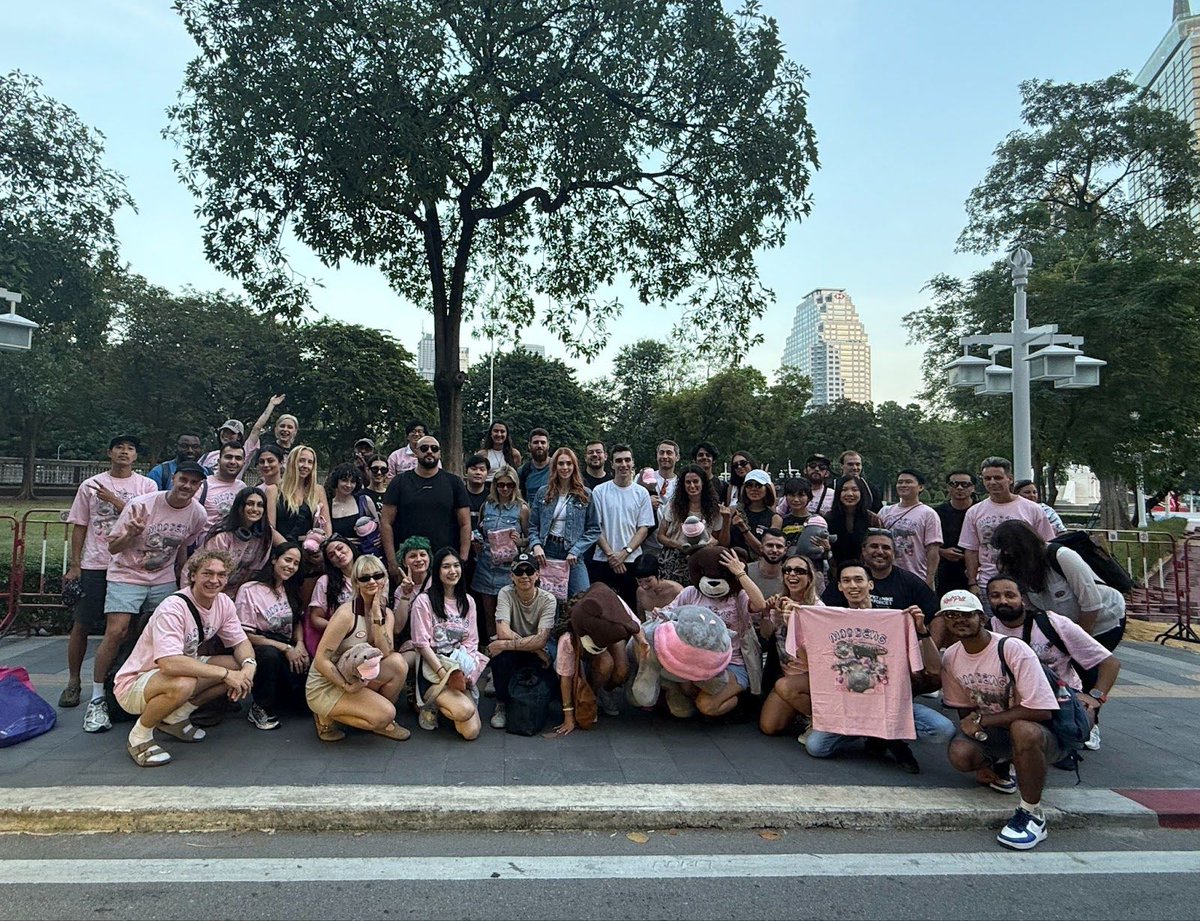
Kickoff Events to Build Awareness: Early-week casual gatherings, such as networking breakfasts and community meetups like a visit to a Zoo outside of Bangkok to meet Moodeng. These events provided opportunities for attendees to get introduced to Lukso’s ecosystem in a relaxed setting.
Metrics Focus: Early impressions captured through attendee sign-ins, event photos, and social media shares.

Workshops and Panels to Educate: Technical workshops and panel discussions showcasing Lukso’s technology and mission, with contributions from ecosystem projects.
Metrics Focus: Engagement metrics, including live audience participation, content downloads, and follow-up inquiries.
Exclusive, Invite-Only Sessions: Intimate dinners and networking events for select participants to build rapport with industry leaders and potential partners.
Metrics Focus: Sentiment captured through feedback and tracking collaborations or partnerships initiated during these events.
The Flagship Event: A high-profile keynote featuring Lukso’s founders’ presentation, offering storytelling, a vision for the future, and interactive Q&A.
Metrics Focus: Social media coverage and attendee surveys quantified the impact and key takeaways.
The Impact
Sustained Awareness: Over 150,000 impressions across social media, live participation, and media coverage. Attention was captured at every touchpoint, establishing a foundation for the next phase of Lukso’s marketing and event strategy.
Mindshare: Maintained crypto mindshare for weeks after the event, reinforcing Lukso’s positioning as a leader in the space.
Audience Engagement: Flagship event attendance exceeded expectations, with highly engaged attendees and strong positive feedback. Commitments to the flagship event at week’s end ensured critical messages landed.
Takeaway
Louie’s multi-touch strategy in Bangkok highlights the importance of creating a cohesive event narrative while ensuring measurable outcomes. By strategically designing touchpoints and tracking their impact, Lukso achieved both immediate engagement and lasting influence.
User-generated content analysis on hashtags like #ApeFest and #BAYC to measure volume, tone, and engagement.
Post-event surveys to collect feedback on specific experiences like the Ape Traders Market or NFT access passes.
Long-term metrics like retention, holder engagement, and new wallet activations tied to attendees.
The Impact
Data-informed tweaks to future events based on what resonated most.
Stronger community trust through transparent sharing of results and planned improvements.
Extended visibility beyond the venue through social amplification.
Reinforced Yuga Labs’ position as a leader in community-first Web3 experiences.
Takeaway
Measuring impact means looking far beyond the guest list. Sentiment, media reach, and long-term engagement create a feedback loop that keeps the community invested long after ApeFest ends.
Key Strategies:
Integrated Planning: Planned months in advance to align with product development timelines and marketing campaigns. Cross-departmental collaboration ensured the event reflected the product’s value and met business objectives.
Multi-Format Content: Featured live demos of the new tools, allowing attendees to experience the product firsthand. Panel discussions and workshops explored how the tools could revolutionize collaborative storytelling.

Community-Led Messaging: Community members who beta-tested the product shared their experiences, adding credibility and authentic advocacy for the launch.
Post-Event Engagement: Follow-up campaigns included recorded sessions, user testimonials, and additional resources to sustain momentum from the event.
How Success Was Measured
Nick tracked multiple metrics to assess the event’s impact and ROI:
Adoption Rates: Monitored the percentage of attendees who signed up for or began using the new tools within the first month after the event.
Content Engagement: Measured views, shares, and interactions with recorded event sessions and post-event resources.

Sales & Pipeline Impact: Coordinated with sales and business development teams to attribute new opportunities and closed deals directly to event leads.
Community Growth: Evaluated increases in active community members and collaborative storytelling projects initiated after launch.
The Impact
Boosted Product Awareness: Attracted a diverse audience of creators, ensuring the launch reached key user groups.
Cross-Business Value: Served as a platform for marketing, sales, and community-building, demonstrating the product’s value across multiple channels and contributing to event ROI.
Memorability and Substance: The flagship event created a lasting impression, ensuring the launch resonated with attendees and extended its impact.
Improved Adoption Rates: Attendees who experienced the product at the event showed higher adoption rates, confirming the event’s role in driving engagement.
Takeaway
Nick’s approach demonstrates the effectiveness of anchoring product launches around impactful events. By integrating product messaging into every aspect of the event—and measuring outcomes across adoption, sales impact, and community growth—Story ensured the launch was memorable, substantive, and ROI-positive.
Key Strategies:
Kickoff Events to Build Awareness: Early-week casual gatherings, such as networking breakfasts and community meetups like a visit to a Zoo outside of Bangkok to meet Moodeng. These events provided opportunities for attendees to get introduced to Lukso’s ecosystem in a relaxed setting.
Metrics Focus: Early impressions captured through attendee sign-ins, event photos, and social media shares.

Workshops and Panels to Educate: Technical workshops and panel discussions showcasing Lukso’s technology and mission, with contributions from ecosystem projects.
Metrics Focus: Engagement metrics, including live audience participation, content downloads, and follow-up inquiries.
Exclusive, Invite-Only Sessions: Intimate dinners and networking events for select participants to build rapport with industry leaders and potential partners.
Metrics Focus: Sentiment captured through feedback and tracking collaborations or partnerships initiated during these events.
The Flagship Event: A high-profile keynote featuring Lukso’s founders’ presentation, offering storytelling, a vision for the future, and interactive Q&A.
Metrics Focus: Social media coverage and attendee surveys quantified the impact and key takeaways.
The Impact
Sustained Awareness: Over 150,000 impressions across social media, live participation, and media coverage. Attention was captured at every touchpoint, establishing a foundation for the next phase of Lukso’s marketing and event strategy.
Mindshare: Maintained crypto mindshare for weeks after the event, reinforcing Lukso’s positioning as a leader in the space.
Audience Engagement: Flagship event attendance exceeded expectations, with highly engaged attendees and strong positive feedback. Commitments to the flagship event at week’s end ensured critical messages landed.
Takeaway
Louie’s multi-touch strategy in Bangkok highlights the importance of creating a cohesive event narrative while ensuring measurable outcomes. By strategically designing touchpoints and tracking their impact, Lukso achieved both immediate engagement and lasting influence.
User-generated content analysis on hashtags like #ApeFest and #BAYC to measure volume, tone, and engagement.
Post-event surveys to collect feedback on specific experiences like the Ape Traders Market or NFT access passes.
Long-term metrics like retention, holder engagement, and new wallet activations tied to attendees.
The Impact
Data-informed tweaks to future events based on what resonated most.
Stronger community trust through transparent sharing of results and planned improvements.
Extended visibility beyond the venue through social amplification.
Reinforced Yuga Labs’ position as a leader in community-first Web3 experiences.
Takeaway
Measuring impact means looking far beyond the guest list. Sentiment, media reach, and long-term engagement create a feedback loop that keeps the community invested long after ApeFest ends.
Share Dialog
Share Dialog
2 comments
We’ve all been to a big, vibey crypto conference party, who doesn't love the free cocktails and quality food? But was it actually a success? Was ROI measured by my happiness… or something more? The best organisers don’t “throw an event” and hope. Here’s how they’re doing it 👇 @jayks at @eco starts with a business case 6-9 months ahead, outlining expected outcomes (brand visibility, community engagement, lead gen). Past attendance, lead quality & social reach justify the budget. Up to 30% can vanish on team travel. @kimcurrier at @decentraland pulls from engagement metrics of average in-world engagement time (45 mins). Imagine scaling that to IRL events by tracking ticket entry/exit times via Luma. Chad from Yuga Labs tracks community happiness with social listening tools, measuring online sentiment, PR mentions & brand reach alongside the on-site experience. 💡 Full case studies & examples in @paragraph below 🔽 https://paragraph.com/@eventalpha/measuring-what-matters-from-vibes-to-value
Discover key insights into event planning and ROI in the latest post by @sandiforward.eth. From budgeting and hidden costs to peer lessons from Eco, CryptoMondays London, and others, the blog challenges conventional practices. Celebrate unique and memorable gatherings balanced against meaningful impact, ensuring every dollar spent enhances brand visibility and engagement. Consider innovative approaches for your next event that blend creativity and quantitative measurement for success without sky-high budgets. Dive in for comprehensive strategies!